GitHub’s hottest repos are AI agent tools
5 GitHub trending repos show what developers are building now: agent tools, token savers, and local-first workflows.

GitHub’s trending repos are packed with AI agent tools, token savers, and local-first workflows.
GitHub’s current trending list shows a clear pattern: the busiest projects are not generic apps, but tools for AI agents, token control, and developer workflows, with the top repo already at 706 stars.
| Item | Stars | Forks | Primary language |
|---|---|---|---|
| ponytail | 706 | 27 | JavaScript |
| Agent-Reach | 277 | 25 | Python |
| headroom | 299 | 26 | Python |
| container | 313 | 6 | Swift |
| codegraph | 169 | 12 | TypeScript |
1. ponytail
Get the latest AI news in your inbox
Weekly picks of model releases, tools, and deep dives — no spam, unsubscribe anytime.
No spam. Unsubscribe at any time.
ponytail is the clearest signal in the trending set: it tells an AI agent to act like the least effortful senior engineer in the room, then rewards the outcome of writing less code.
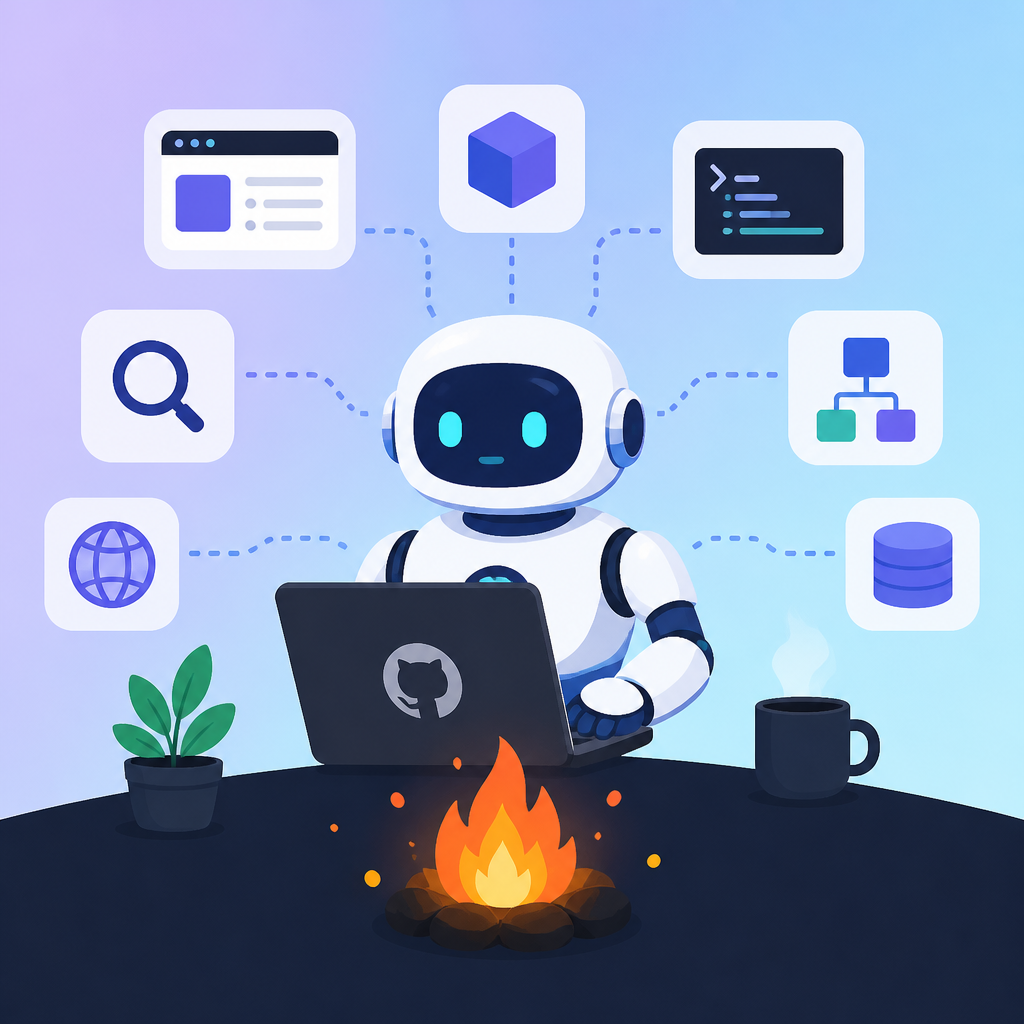
That pitch is blunt, but it matches a real pain point. Teams do not need more code generation for its own sake; they need agents that avoid unnecessary work and keep output focused on the shortest path to a correct result.
- Language: JavaScript
- Stars: 706
- Forks: 27
- Core idea: “The best code is the code you never wrote.”
2. Agent-Reach
Agent-Reach tries to give agents broader sight. It reads and searches across Twitter, Reddit, YouTube, GitHub, Bilibili, and XiaoHongShu from one CLI, with no API fees.
For researchers, builders, and prompt-tuning tinkerers, that makes it useful as a source-gathering layer before an agent writes anything. It is less about a polished end product and more about feeding the model better evidence.
- Language: Python
- Stars: 277
- Forks: 25
- Access model: one CLI, zero API fees
3. headroom
headroom focuses on a quieter win: shrinking tool output before it reaches the model. The project claims 60 to 95 percent fewer tokens while keeping the same answers.
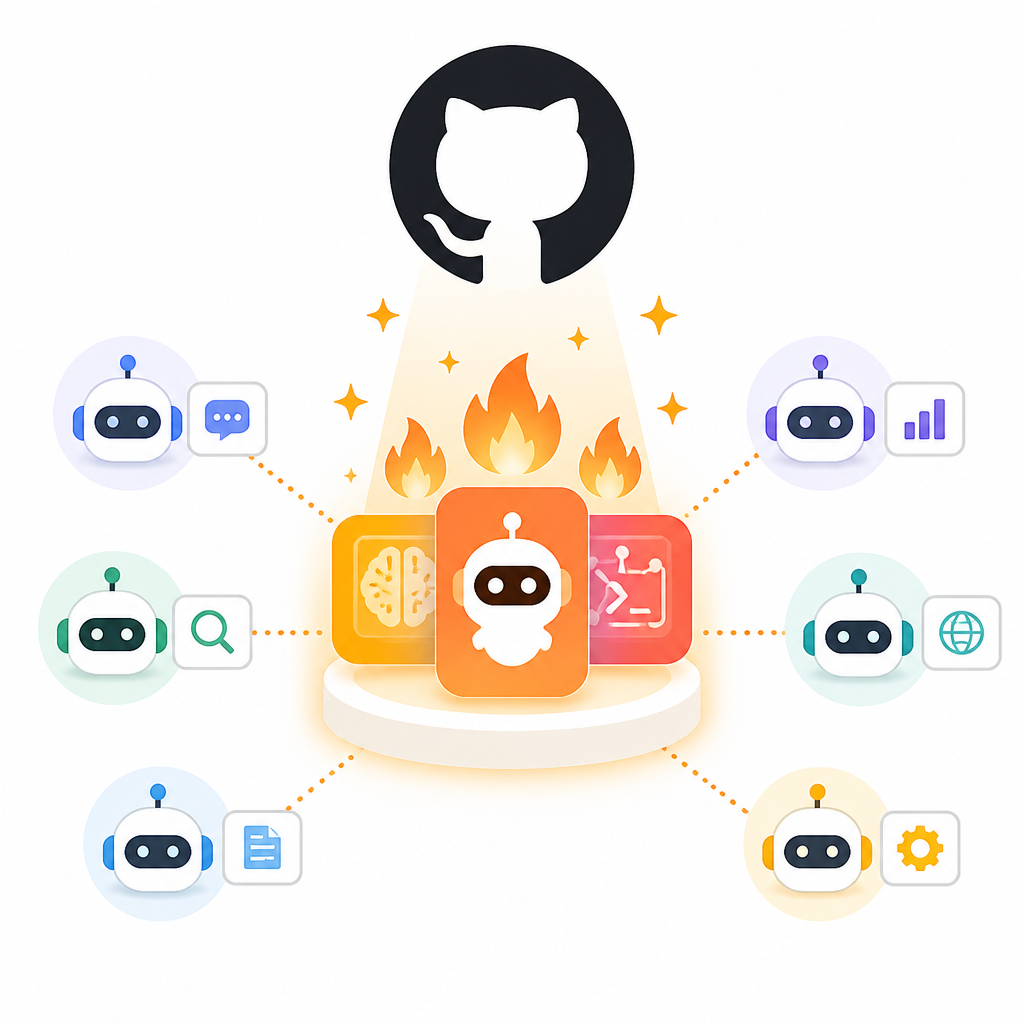
That matters because agent systems often waste budget on noisy logs, long files, and oversized retrieval chunks. Headroom is built as a library, proxy, and MCP server, so it fits several integration styles instead of forcing one workflow.
- Language: Python
- Stars: 299
- Forks: 26
- Claimed savings: 60-95% fewer tokens
4. container
container is a Mac-native way to create and run Linux containers using lightweight virtual machines. It is written in Swift and tuned for Apple silicon.
This is the most infrastructure-heavy project in the group, and that is part of its appeal. If you build on macOS and want a local container workflow that feels native rather than bolted on, this repo points in that direction.
- Language: Swift
- Stars: 313
- Forks: 6
- Target platform: Mac with Apple silicon
5. codegraph
codegraph turns a codebase into a pre-indexed knowledge graph for agents such as Claude Code, Codex, Gemini, Cursor, OpenCode, AntiGravity, Kiro, and Hermes Agent.
The pitch is simple: fewer tokens, fewer tool calls, and local-only indexing. That combination is attractive for teams that want faster repo navigation without shipping their source to another service.
- Language: TypeScript
- Stars: 169
- Forks: 12
- Deployment: 100% local
What to pick
If you want the most visible trend signal, start with ponytail and Agent-Reach: they show where agent tooling is heading, toward less wasted work and better input data. If you care more about cost control, headroom is the practical pick.
If your stack lives on a Mac, container is the infrastructure repo to watch. If you need faster local code understanding for assistants, codegraph is the most directly useful fit.
// Related Articles
- [IND]
DeepSeek V4 Flash Is Repricing the Post-Coding-Plan Era
- [IND]
Cloudflare’s AI search pilot is the stock catalyst now
- [IND]
AI Weekly: 2026-07-27 ~ 2026-08-03
- [IND]
Kimi K3 maps the new rules of test-time scaling
- [IND]
What the SALP liquidation reveals about AI trades
- [IND]
Claude’s security test became a real breach