Layer 2 Is Ethereum’s Real Product, Not a Detour
Ethereum Layer 2 is the architecture that makes the network usable at scale, but bridges and sequencers remain the weak points.

$0.003 fees make Ethereum usable at scale, but Layer 2 still carries bridge and sequencer risk.
Ethereum Layer 2 networks are not a temporary workaround; they are the only path to making Ethereum fast, affordable, and usable for ordinary people without giving up the base layer’s security model.
Layer 2 fixes the problem Ethereum users actually feel
Get the latest AI news in your inbox
Weekly picks of model releases, tools, and deep dives — no spam, unsubscribe anytime.
No spam. Unsubscribe at any time.
The strongest case for Layer 2 is simple economics. In July 2025, the average Ethereum mainnet fee sat around $3.75 during normal periods, while Layer 2 fees dropped to roughly $0.003. That is not a small optimization. That is the difference between a network that works for occasional high-value transfers and one that works for everyday trading, minting, gaming, and payments.
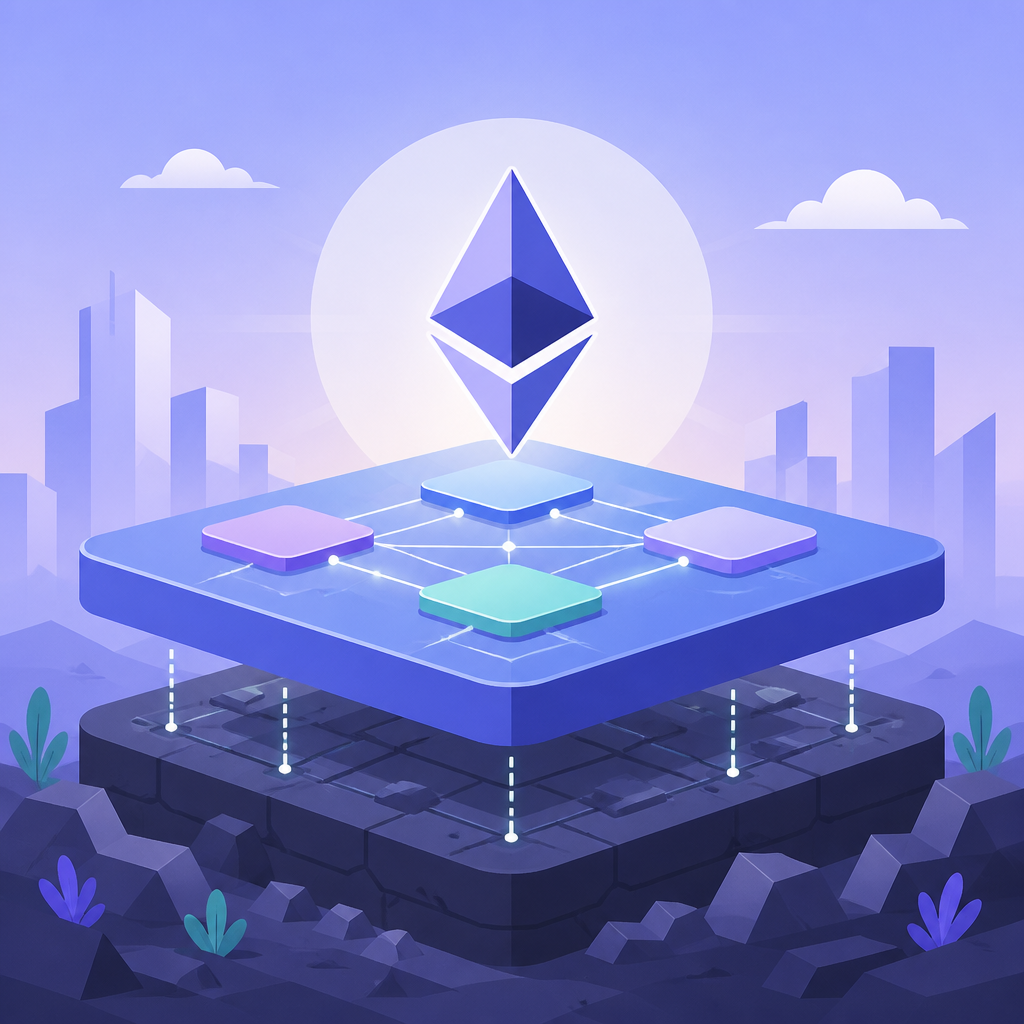
Speed matters just as much. Ethereum mainnet still handles roughly 15 to 30 transactions per second, while major Layer 2s process thousands. In practice, that means a swap on Base or Arbitrum can confirm in under two seconds, while mainnet often leaves users waiting minutes. Once a system becomes that much cheaper and faster, it stops being a niche scaling trick and starts becoming the real user interface for Ethereum.
The design preserves Ethereum’s security better than critics admit
Layer 2 does not replace Ethereum’s trust model. It compresses activity and posts the result back to Layer 1, where the base chain still serves as the final settlement layer. That matters because Ethereum’s mainnet remains the source of truth for ownership and dispute resolution. The whole point is not to invent a separate security system, but to reuse the one Ethereum already has.
This is why the rollup model won. Optimistic rollups like Arbitrum and Base use fraud proofs and challenge windows, while ZK rollups like zkSync and Starknet use validity proofs that mathematically verify correctness. Both approaches anchor back to Ethereum. The difference is operational, not philosophical: Layer 2 changes how execution happens, but not where final trust lives.
The market has already chosen Layer 2 as the default path
By mid-2025, Layer 2 networks were handling more than 85% of all Ethereum ecosystem transactions. That statistic ends the debate about whether these networks are optional. They are not. Users, builders, and liquidity have already moved toward the cheaper, faster layer because the mainnet cost structure is too punishing for most activity.
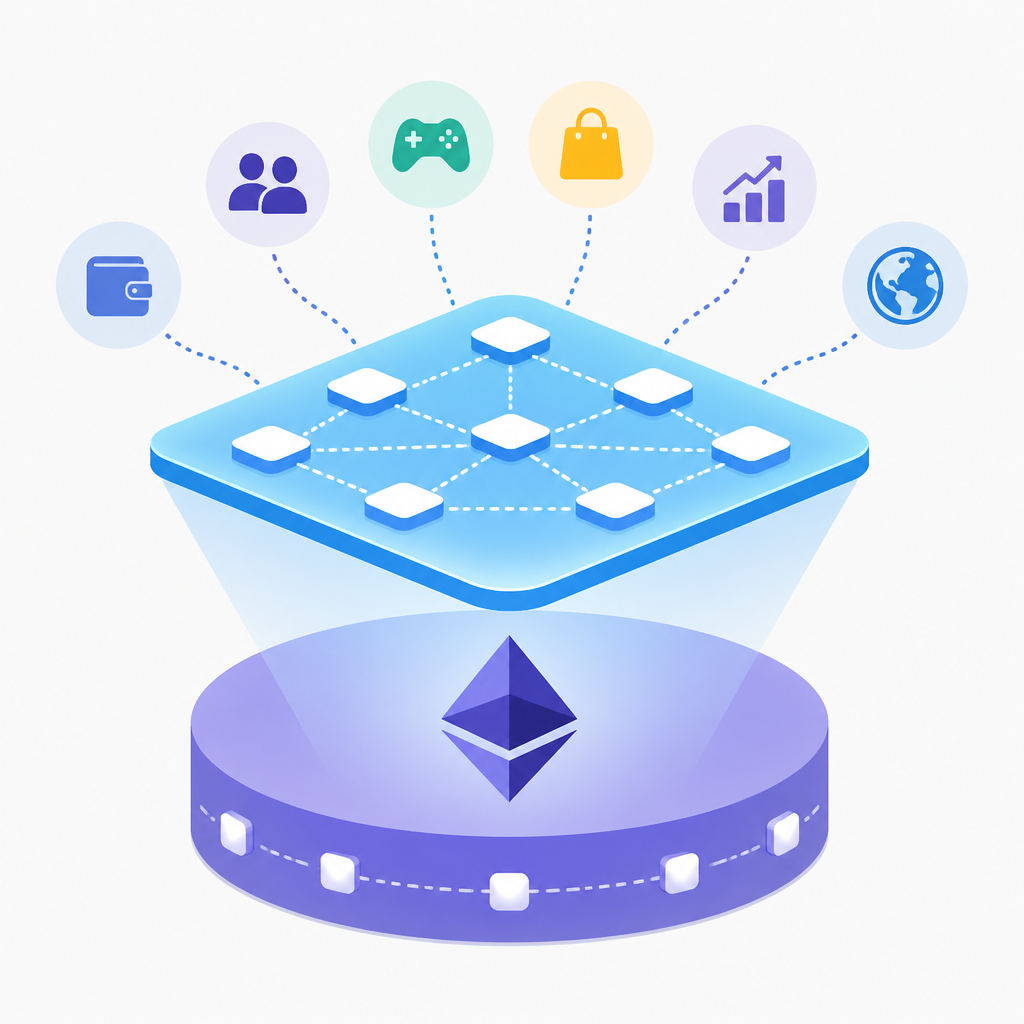
The ecosystem data tells the same story. Arbitrum has more than $18 billion in TVL and the deepest DeFi footprint. Base has grown quickly because Coinbase made onboarding easier. Optimism’s OP Stack has become a template for other chains. zkSync and Starknet are pushing lower fees and faster finality. This is not a fragmented experiment. It is a converging stack with clear winners for different jobs.
The counter-argument
The best objection is that Layer 2 trades one set of problems for another. Sequencers are often centralized, bridges have been repeatedly exploited, and withdrawals on optimistic rollups can take up to seven days. In April 2025, Base suffered a 44-minute outage tied to sequencer failure, and Chainalysis reported 37 Layer 2-specific exploits since 2023, with $283 million in losses. Those are not edge cases. They are structural weaknesses.
That criticism is fair, but it does not defeat Layer 2. It describes a system in transition. Ethereum mainnet is still the settlement layer, so a failed L2 does not erase the base asset. The real danger is bridge security and bad application design, not the existence of Layer 2 itself. The right conclusion is not to reject rollups. It is to treat bridges, sequencers, and contract audits as first-class engineering concerns.
What to do with this
If you are an engineer, build for Layer 2 first and treat Ethereum mainnet as settlement, not the default execution environment. If you are a PM or founder, choose the chain that matches your user behavior: Arbitrum for broad DeFi, Base for onboarding, zkSync for low-cost fast finality, Starknet for specialized computation. And if you are holding assets, use official bridges, keep gas on the relevant network, and assume every cross-chain move deserves the same scrutiny as a production payment flow.
// Related Articles
- [CHAIN]
Ethereum’s price should be read as network demand, not just speculati…
- [CHAIN]
Ethereum’s shake-up turns ETH into a cleaner bet
- [CHAIN]
Bitcoin’s price page explains the market in one view
- [CHAIN]
Web3 Banking Guide for Fintech Teams
- [CHAIN]
10 prediction market builders that can ship Polymarket-style apps
- [CHAIN]
Solana’s July 10 updates point to real adoption