OpenAI’s partner network is a delivery strategy, not a logo program
OpenAI’s partner network matters because it turns enterprise AI from prototypes into production deployments.

OpenAI’s partner network turns enterprise AI from prototypes into production deployments.
OpenAI’s partner network is a delivery strategy, not a logo program. The clearest evidence is in the problem it targets: enterprises do not struggle to generate a demo, they struggle to make AI survive security reviews, identity controls, legacy systems, approval chains, and real users. A formal network built around build, sell, deploy, and scale is a practical response to that gap, and it signals that OpenAI understands the bottleneck is implementation, not model access.
First argument: enterprise AI fails in the middle, not at the start
Get the latest AI news in your inbox
Weekly picks of model releases, tools, and deep dives — no spam, unsubscribe anytime.
No spam. Unsubscribe at any time.
The first reason this network matters is that production failure usually happens after the prototype works. Anyone who has shipped a model-backed workflow knows the first issues are rarely “is the model smart enough?” They are rate limits, schema mismatches, permissions, logging, and broken handoffs between systems. A partner network that rewards implementation expertise directly addresses the stage where most AI projects stall.
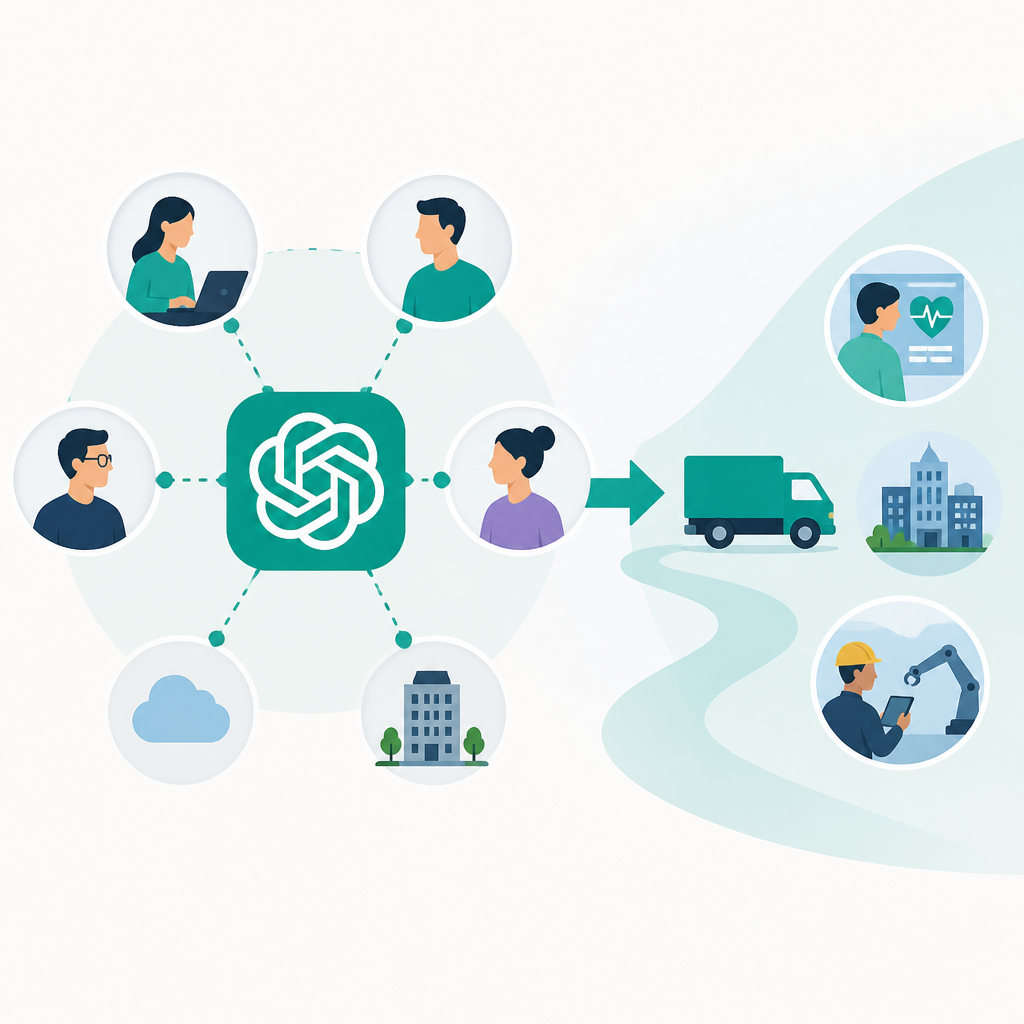
That is why the structure matters more than the branding. A consultant who can wire OpenAI into IAM, retrieval, monitoring, and approval flows is more valuable than one who can produce a polished demo. The article’s example of moving from a hackathon chatbot to an auditable service desk assistant is the right frame. Enterprise buyers do not pay for clever prompts. They pay for systems that keep working on Monday morning.
Second argument: a formal network creates market discipline
The second reason to take this seriously is that partner programs create standards. Once OpenAI gives partners a path for co-selling and deployment support, the market starts sorting itself into firms that can actually ship and firms that only talk about AI. That discipline matters because enterprise buyers are drowning in vendors with identical slide decks and vague claims about transformation.
There is a strong precedent here. AWS, Microsoft Azure, and Google Cloud became enterprise defaults not just because their infrastructure was good, but because partner ecosystems made them usable inside messy organizations. The same logic applies here. A partner network can turn OpenAI from a model provider into a platform with repeatable implementation patterns, industry-specific solutions, and a clearer buyer journey.
The counter-argument
The strongest objection is simple: partner networks often become marketing machinery. A badge does not guarantee security, cost control, or competence. In enterprise software, “partner” can mean anything from a deeply capable systems integrator to a firm that paid to be listed. Skeptics are right to warn that a formal network can create false confidence and push buyers toward vendor-approved choices instead of the best technical fit.
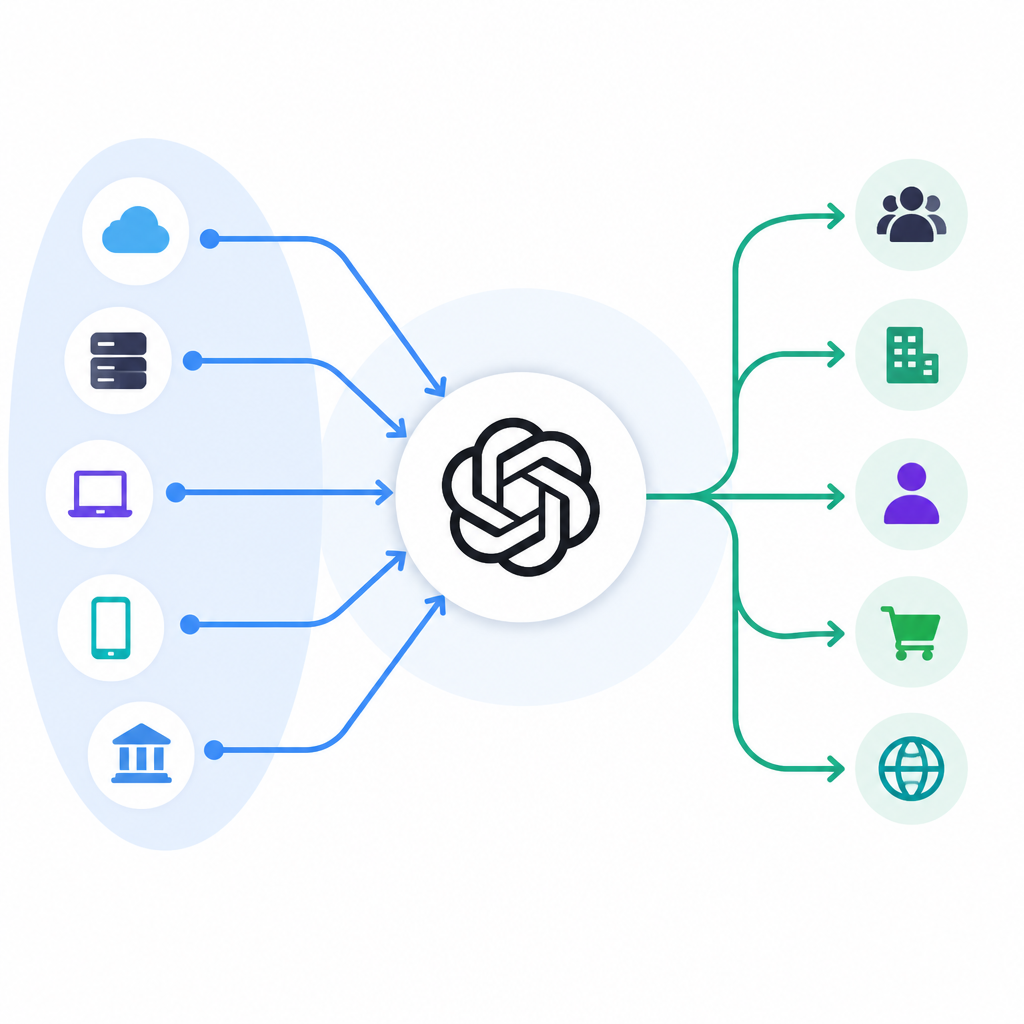
There is also a real risk of lock-in. If OpenAI’s partner ecosystem becomes the default route into enterprise adoption, customers may end up with solutions designed around OpenAI’s stack rather than around their own architecture, governance model, or procurement needs. That is a legitimate concern, especially in regulated industries where portability and auditability matter as much as performance.
That critique is valid, but it does not overturn the case for the network. It only defines the conditions under which the network works. Buyers still need to demand evals, logs, rollback plans, data classification, and proof of production deployments. A partner program is not a substitute for due diligence. It is a filter that raises the odds of finding firms that know how to ship. The burden stays on the customer to verify substance, but the network still reduces the search cost.
What to do with this
If you are an engineer, PM, or founder, treat the OpenAI Partner Network as a signal to build the boring parts well. Learn retrieval, access control, monitoring, structured outputs, cost estimation, and human-in-the-loop safeguards. If you run a team, ask every AI vendor the same questions: what breaks in production, how do you test for regressions, what data leaves the boundary, and who can audit the result. The winners in this market will not be the people with the flashiest demo. They will be the people who make AI dependable enough for real work.
// Related Articles
- [IND]
DeepSeek V4 Flash Is Repricing the Post-Coding-Plan Era
- [IND]
Cloudflare’s AI search pilot is the stock catalyst now
- [IND]
AI Weekly: 2026-07-27 ~ 2026-08-03
- [IND]
Kimi K3 maps the new rules of test-time scaling
- [IND]
What the SALP liquidation reveals about AI trades
- [IND]
Claude’s security test became a real breach