Atlassian AI Features 2025-2026: Customer Data Training Plans
Atlassian will use customer metadata and in-app data for AI training on August 17, 2026, with different defaults by plan tier.

On August 17, 2026, Atlassian will start using customer metadata and in-app data to train AI features across its products. The company says the rollout begins earlier, on April 16, 2026, so admins have a few months to review the new settings before the defaults take effect.
This matters because Atlassian is not talking about a small pilot. The policy covers tools like Jira, Confluence, Rovo, and Rovo Dev, which sit inside a lot of engineering and ops workflows. If your team uses Atlassian for planning, docs, or support, this change affects how your data can be used behind the scenes.
What Atlassian says it will collect
Get the latest AI news in your inbox
Weekly picks of model releases, tools, and deep dives — no spam, unsubscribe anytime.
No spam. Unsubscribe at any time.
Atlassian splits the data into two buckets: metadata and in-app content. Metadata includes things like issue types, project structure, and usage patterns. In-app data is broader and can include comments, descriptions, and content created inside Jira, Confluence, and related products.
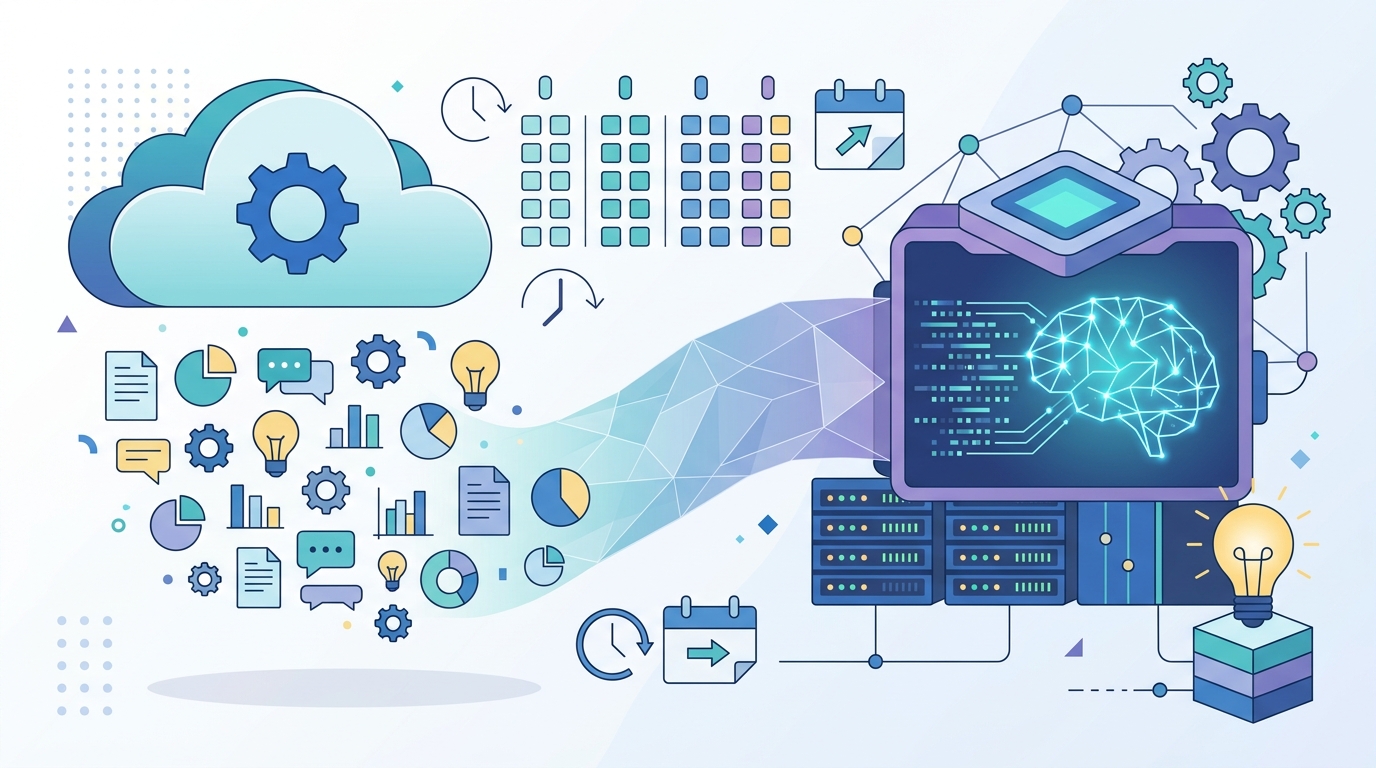
The company says the data will be de-identified and aggregated before training. In plain English, that means names, emails, and other direct identifiers get removed first, then the data is grouped so it is not tied back to a single person or organization.
- Metadata: issue types, project structure, usage patterns
- In-app data: comments, descriptions, created content
- Processing: de-identification plus aggregation before use
- Scope: Atlassian products including Jira and Confluence
That sounds tidy on paper, but the practical question is whether de-identified product data still reveals enough about team behavior, process bottlenecks, or internal priorities to improve models. For AI systems, metadata often matters almost as much as raw text because it shows how work moves through a company.
Atlassian is also making this change in the middle of a broader industry shift. Microsoft, Salesforce, and Google Workspace have all pushed deeper AI features into business software, and the data question keeps coming back: what gets used, who can opt out, and where the defaults sit.
Why the default settings matter so much
The biggest detail in Atlassian’s policy is not that AI training is happening. It is how the defaults change by plan. For Free and Standard plans, in-app data collection is on by default, with opt-out available. Metadata collection is on for all plans by default, and only Enterprise customers can opt out of metadata collection.
That means the cheapest plans carry the least control. If a team wants more say over how its data gets used, the path Atlassian is offering is clear: move up the pricing ladder. That is a familiar pattern in SaaS, but it becomes more sensitive when the product is also feeding AI systems.
- Free plan: in-app data on by default, opt-out available
- Standard plan: in-app data on by default, opt-out available
- All plans: metadata collection on by default
- Enterprise: only tier that can opt out of metadata collection
For admins, the real job is to check organization-level settings, not individual user preferences. Atlassian says the new data contribution controls will be managed at the org level, which makes sense for governance but also means a single admin decision can affect every team using the platform.
That design choice also tells you something about how Atlassian sees AI adoption. The company wants broad training data, and it wants that data to come from normal work, not from a separate opt-in program that only a few customers would bother with. If you are building AI features for knowledge work, the richest signals are already inside the workflow.
What Atlassian is trying to build
Atlassian has been pushing Rovo as its AI layer for search, assistance, and automation across the platform. The company’s bet is simple: if its AI can learn from how teams actually organize work, it can answer questions, summarize projects, and surface next steps with more context than a generic model.
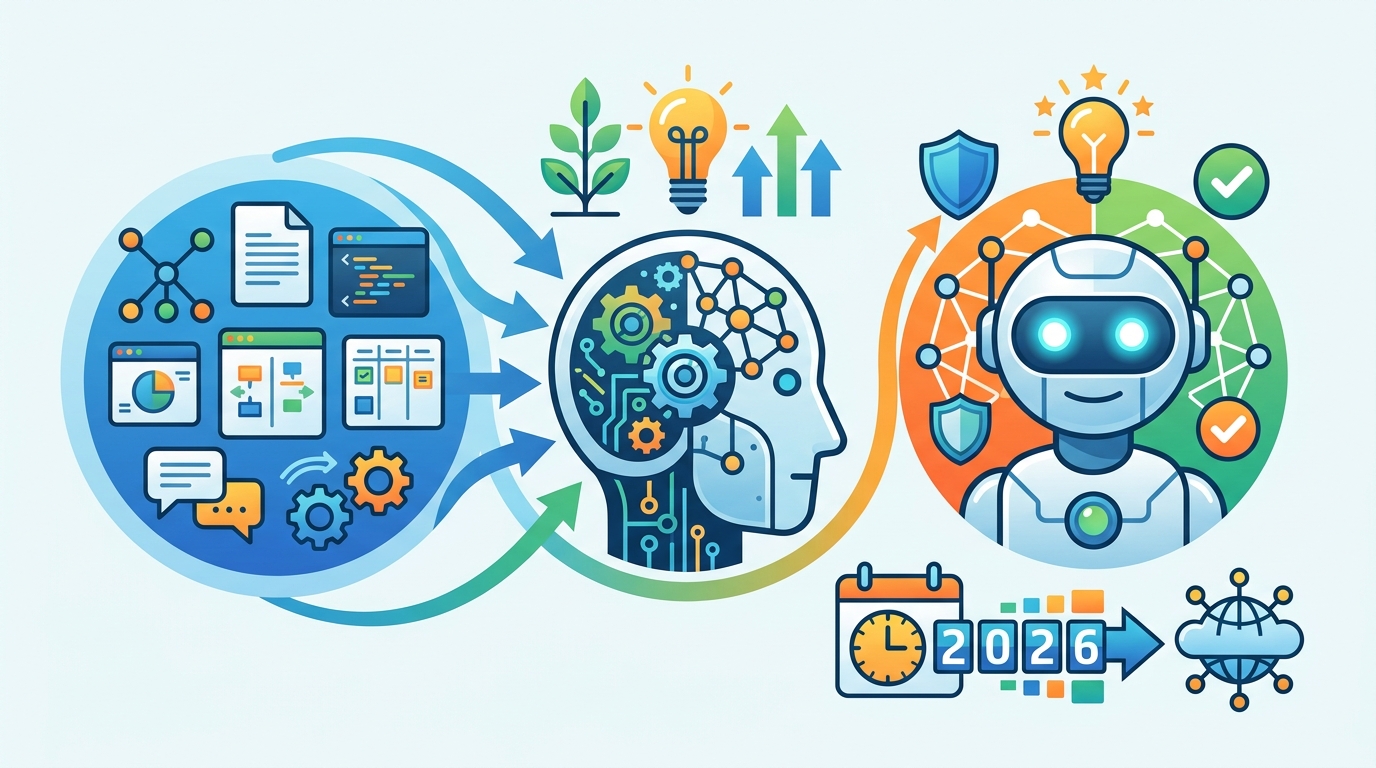
That is also why this policy matters beyond privacy. Training on customer data can improve relevance, but it can also create anxiety around boundaries. Teams may be comfortable with aggregated metadata helping a product understand workflow patterns. They may be far less comfortable if internal comments and project descriptions feed model training, even after de-identification.
“We think trust is the foundation of the digital economy.” — Mike Cannon-Brookes, Atlassian co-founder and co-CEO
That quote is old, but it fits the current moment. Atlassian is asking customers to trust that the company can use their operational data to improve AI features without crossing the line into something that feels invasive. The policy is less about whether AI uses data at all and more about how much control customers get before that happens.
There is also a product logic here. AI tools get better when they understand real work artifacts: tickets, docs, comments, handoffs, and approval chains. Generic models know language. Atlassian wants models that know how a sprint board differs from a support queue, or how a design review thread differs from a bug triage comment.
How this compares with other enterprise AI policies
Atlassian is not alone in trying to turn customer data into model fuel, but the details vary a lot. Some vendors make training opt-in. Others make it opt-out. Some separate product telemetry from content. Atlassian’s approach is notable because metadata collection is on by default for every plan, while in-app content collection depends on tier.
Here is the practical comparison that matters for customers evaluating risk, control, and cost.
- Atlassian: metadata on by default for all plans; in-app data on by default for Free and Standard; Enterprise can opt out of metadata
- Microsoft: Copilot features rely heavily on tenant permissions and organizational controls, with admin governance doing most of the work
- Salesforce: Einstein and newer AI tools center on enterprise data boundaries and admin policy controls
- Google Workspace: AI features are tied to Workspace settings and organization-level admin decisions
The difference is not just technical. It is commercial. The more a vendor can bake AI training into default settings, the more data it can gather without asking every customer to click yes. That gives the company a stronger feedback loop for product improvement, but it also raises the bar for transparency.
Atlassian says it will host a webinar on April 28, 2026 to explain the change. That is a smart move, because customers will want concrete answers about retention, access controls, and whether the policy affects historical data or only new contributions after the rollout window.
What teams should do before August 17
If your company uses Atlassian products, the next step is simple: check the organization settings now, not in late August. The new defaults are coming whether teams notice them or not, and the difference between Free, Standard, and Enterprise plans is big enough to matter for compliance reviews and internal policy.
My read is that this change will push some teams to audit where sensitive project details live and how much of that detail ends up in comments or docs. Others will accept the defaults because the convenience is worth more than the control. Both choices are rational, but they are very different bets.
One more thing to watch: once a vendor like Atlassian normalizes AI training from customer workflows, competitors usually feel pressure to do the same or explain why they are leaving model quality on the table. That means the policy is bigger than one company’s settings page. It is another sign that enterprise software is moving toward AI systems trained on everyday work data, and customers will keep having to decide how much of that data they are willing to trade for smarter tools.
If you run a team on Atlassian today, the actionable move is to review your org policy before the April rollout window closes, then decide whether your default should be convenience or control. By August 17, that choice becomes the baseline.
// Related Articles
- [IND]
HP’s OpenAI Deal Meets a Cheap Stock Debate
- [IND]
Booz Allen and OpenAI push frontier AI into defense
- [IND]
Docker made containers the default, and that was a mistake
- [IND]
Anthropic’s Claude Skills define the new agent toolkit
- [IND]
Claude Fable 5 Should Be Judged by Safety, Not Hype
- [IND]
Trump lifting GPT-5.6 limits is a bad way to govern frontier AI