32 firms back open-weight AI in DC letter
Microsoft, Nvidia, Meta, OpenAI, and 28 others urged Washington to avoid sweeping limits on open-weight AI models.

Washington is hearing a coordinated message from AI’s biggest names: don’t clamp down on open-weight models. The push comes as US officials weigh action against Chinese model makers and as Nvidia CEO Jensen Huang used his first post on X to amplify the call.
Microsoft, Nvidia, Meta, OpenAI, and others urged Washington to protect open-weight AI models.
| 項目 | 數值 |
|---|---|
| Signatories | 32 companies, organizations, and platforms |
| Major additions | Microsoft, Nvidia, Meta, OpenAI, Palantir, Google |
| Letter date | Friday, July 25, 2026 |
| Model cited in debate | Moonshot AI’s Kimi K3 |
| OpenAI status | Joined after the letter was first published |
What changed
Get the latest AI news in your inbox
Weekly picks of model releases, tools, and deep dives — no spam, unsubscribe anytime.
No spam. Unsubscribe at any time.
On Friday, Microsoft, Nvidia, Meta, OpenAI, Mistral, and others signed an open letter urging US policymakers not to restrict open-weight AI models. The note argues that open models improve safety, speed up innovation, and support national sovereignty.
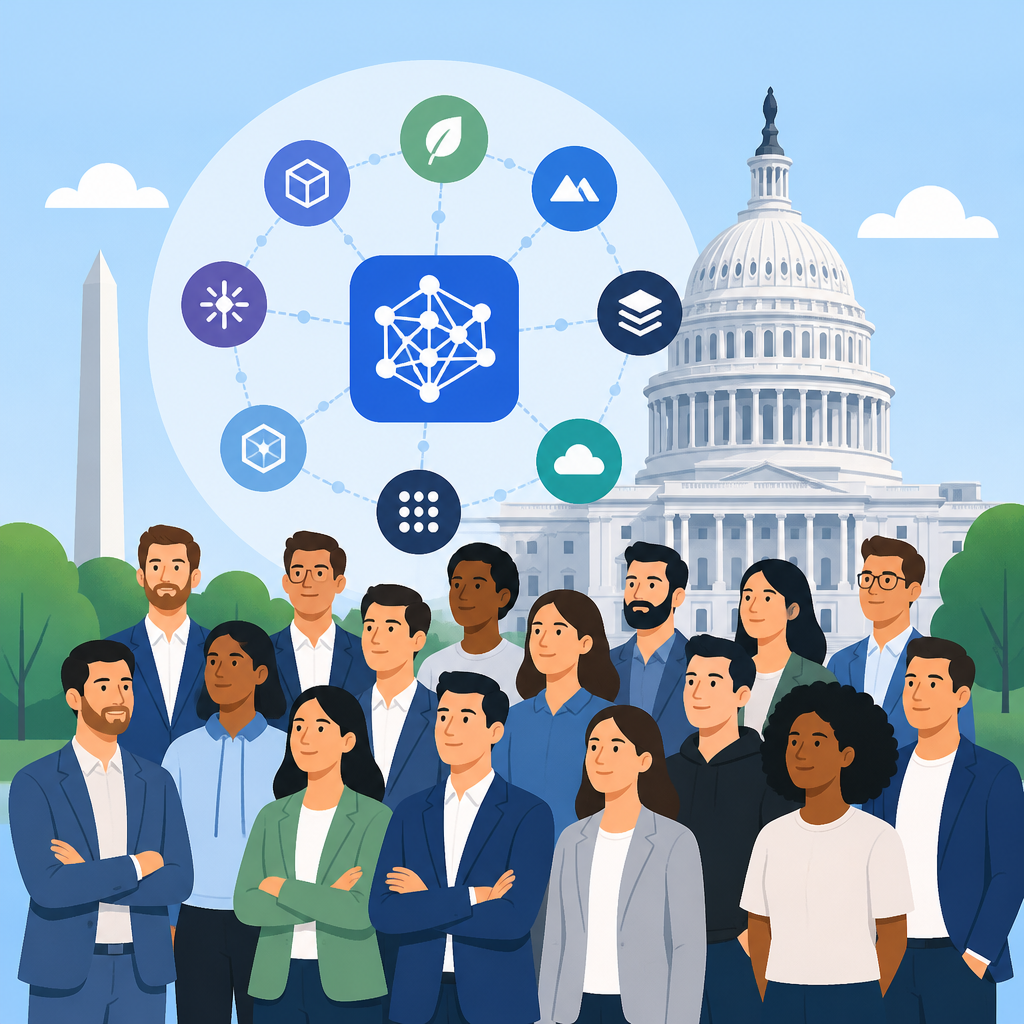
The timing matters because Trump administration officials have floated action against China-based Moonshot AI, maker of Kimi K3, which the letter does not name directly. Huang framed the issue as a broad policy choice, saying the US should build an open ecosystem that spreads AI across industries rather than focus only on a few frontier systems.
- Huang posted the letter on X for his first-ever post on the platform.
- OpenAI was missing at first, then added its name later Friday.
- Google joined on Saturday, leaving Anthropic as the major holdout.
- The signers also include GitHub, IBM, Cisco, Dell, Palantir, Mozilla, and the Linux Foundation.
Why it matters
The letter is a lobbying line in a bigger fight over whether Washington should treat open-weight models like a strategic asset or a security risk. For developers, the outcome could shape what models can be downloaded, customized, and deployed without heavy policy friction.
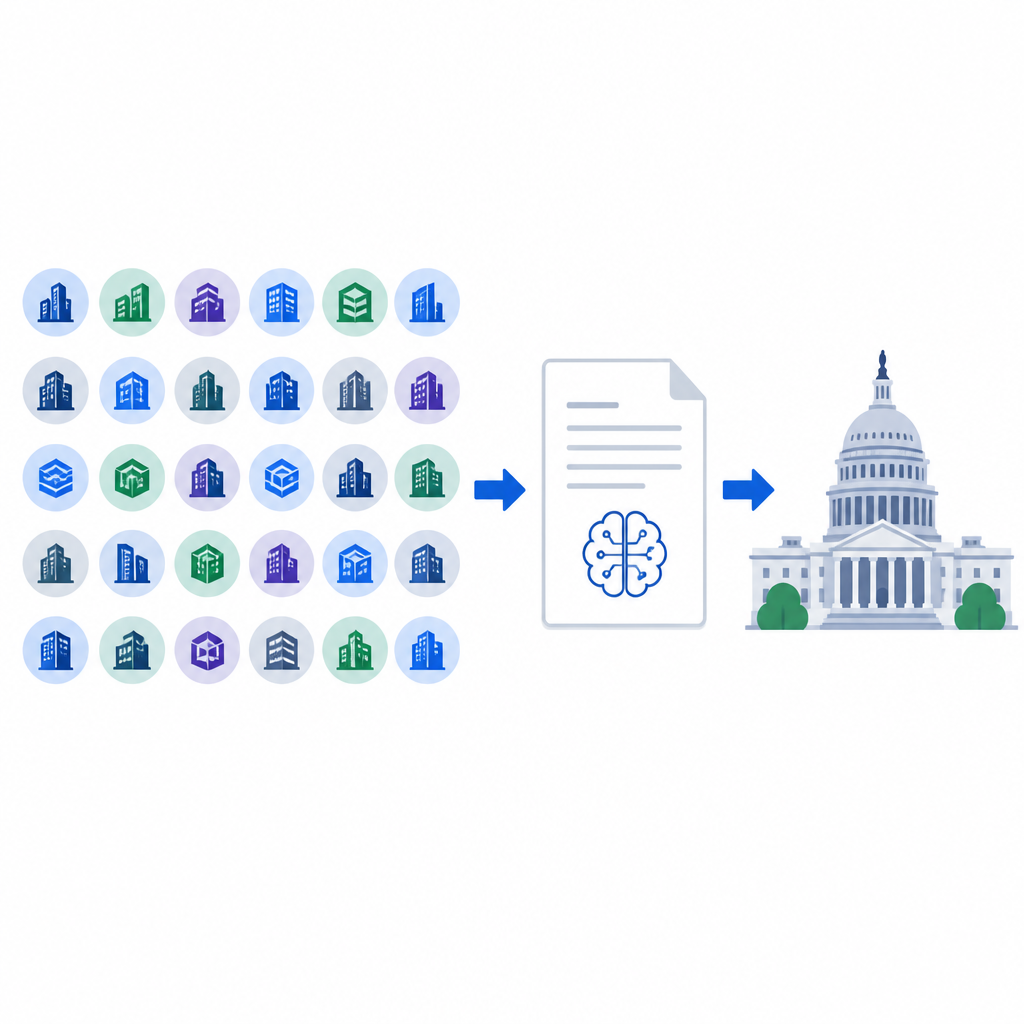
It also exposes a split inside AI’s top tier. Some companies want room for open models and distillation, while others argue those methods can copy closed systems and strip value from proprietary work. The letter tries to split that difference by backing open development while saying unlawful extraction from closed models should be handled with targeted legal and commercial rules, not broad bans.
The immediate question for DC is simple: will regulators write rules that narrow China’s model advantage without choking off the open model ecosystem US companies now say they need?
// Related Articles
- [IND]
Huang’s open-letter playbook for open-weight AI
- [IND]
Huang usa il suo primo post su X per difendere l’IA aperta
- [IND]
Black Duck’s Coverity gets better at AI-era triage
- [IND]
Anthropic’s Opus 5 makes the AI race cheaper
- [IND]
OpenAI’s distillation playbook explains the Kimi panic
- [IND]
Gemini 3.5 Flash lets you buy speed