5 reasons many Ethereum L2s are losing purpose
5 takeaways on why Ethereum layer 2s are consolidating around a few winners and what makes an L2 worth keeping alive.
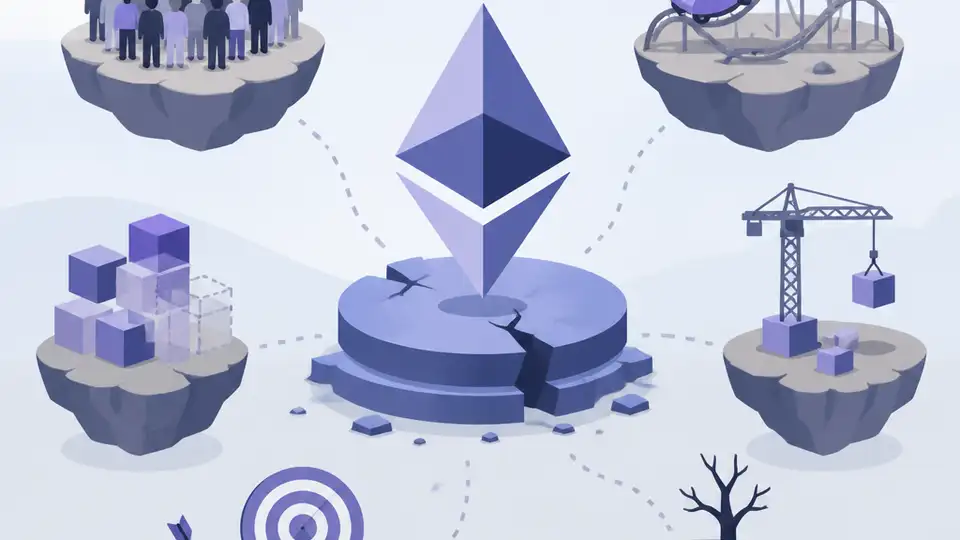
Ethereum layer 2s are consolidating around a few networks with real demand.
Ethereum’s layer-2 boom is no longer about how many chains can launch, but which ones can keep users, liquidity and clear demand. Base and Arbitrum now account for more than 80% of layer-2 DeFi TVL, a sign that the market is narrowing fast.
| Item | Signal | Example |
|---|---|---|
| Base | DeFi TVL concentration | Part of the 80%+ share with Arbitrum |
| Arbitrum | DeFi TVL concentration | Part of the 80%+ share with Base |
| Linea | Bridge deposits down | $976M in Nov. 2025 to $367M in May 2026 |
| World Chain | Bridge deposits down | Among smaller chains seeing declines |
| Starknet | Bridge deposits down | Among smaller chains seeing declines |
| Mantle | Bridge deposits down | Among smaller chains seeing declines |
1. General-purpose L2s are the weakest use case
Get the latest AI news in your inbox
Weekly picks of model releases, tools, and deep dives — no spam, unsubscribe anytime.
No spam. Unsubscribe at any time.
The article’s core argument is not that layer 2s are disappearing. It is that many chains built to be generic, Ethereum-compatible copies no longer have a strong reason to exist. Ben Fisch of Espresso Systems says the market is in a consolidation phase for general-purpose layer twos, not for layer twos as a whole.
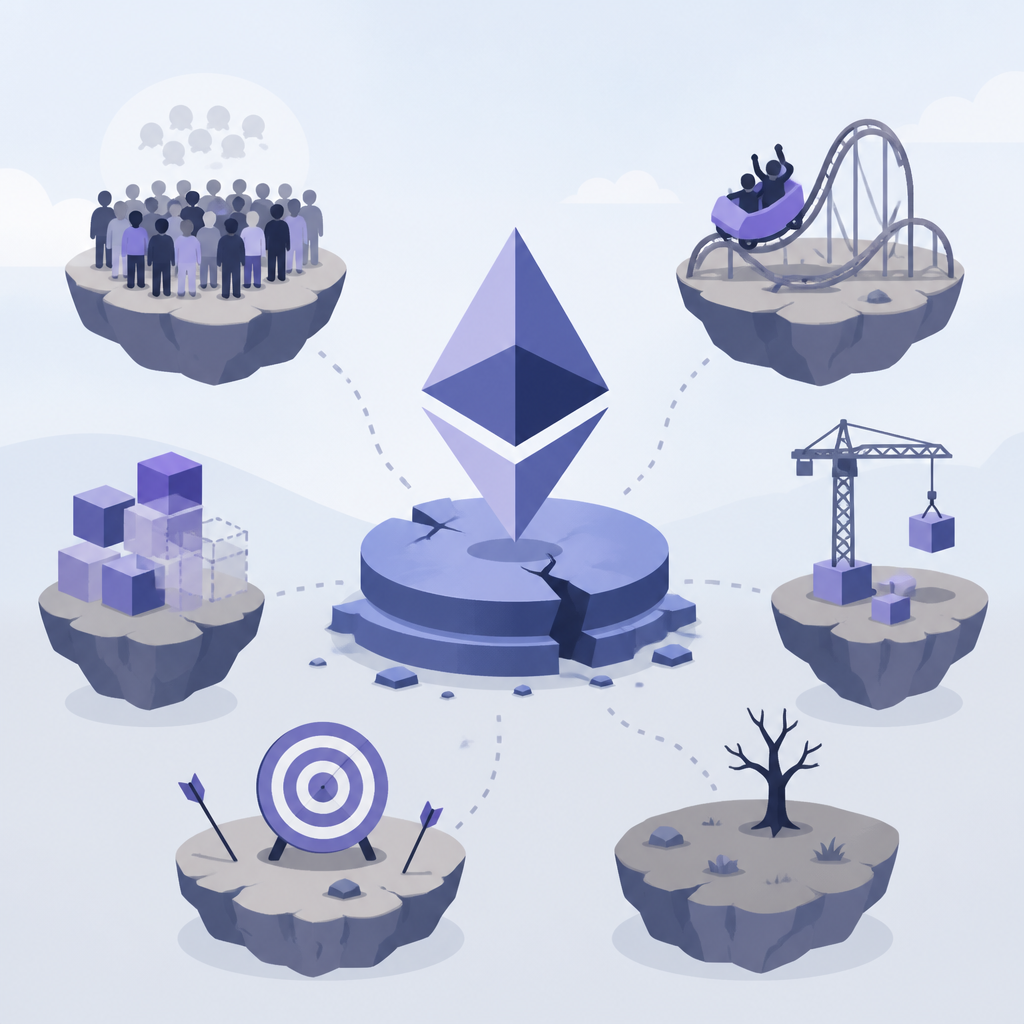
That matters because the easy part was launching the chain. The hard part is convincing users and developers to choose yet another version of the same product when the same activity could happen elsewhere.
- Generic smart contract deployment is now common across many L2s
- Users face little reason to split activity across near-identical chains
- Teams need a clearer product than “another Ethereum chain”
2. Liquidity is concentrating in a few winners
The numbers in the piece point to a market with strong concentration. Base and Arbitrum together account for more than 80% of layer-2 DeFi total value locked, according to DefiLlama. That leaves a long tail of smaller networks fighting for a shrinking share of attention and capital.
For smaller chains, this is not just a branding problem. Lower liquidity can make trading, lending and bridging less attractive, which then reduces usage even more. The result is a feedback loop that favors the biggest ecosystems.
- Base and Arbitrum dominate DeFi activity
- Smaller chains depend on deposits staying sticky
- Concentration can make new entrants harder to sustain
3. Cheaper rollups do not guarantee demand
Ethereum’s Dencun upgrade made rollups cheaper to run by lowering data posting costs through blobs. Messari research cited in the article says data availability costs are now only a small fraction of operator expenses for many OP Stack chains. So yes, the economics of launching an L2 improved.
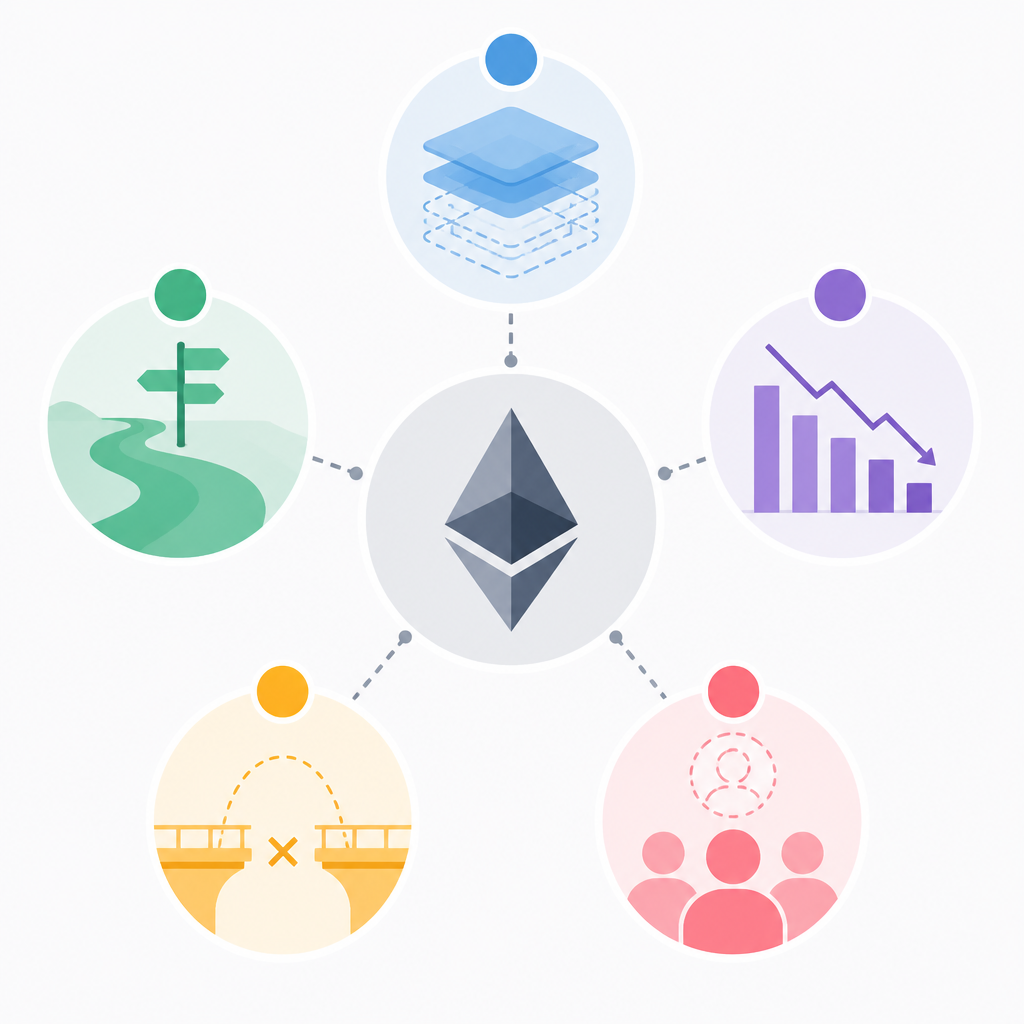
But Alice Hou, a former Messari analyst, says that lower operating costs do not solve the main issue: whether a network can generate enough sustained demand to justify itself. If a chain does not have enough blockspace demand, user activity or developer traction, the savings do not matter much.
Dencun -> lower blob costs -> cheaper L2 operation
But: cheaper operation != automatic usage
4. Application-specific chains have a better case
The piece says the strongest future for L2s is not infrastructure for its own sake. It is chains tied to specific business needs such as payments, stablecoins and tokenized assets. In that model, a dedicated L2 can offer lower costs, more control and more predictable performance than a plain smart contract deployment.
That is why financial institutions and companies with real on-chain activity look better positioned than general-purpose builders. If a business already has users, transactions and ecosystem fit, an L2 can be a useful product decision rather than a vanity launch.
- Payments platforms need predictable transaction costs
- Stablecoin issuers want direct distribution and control
- Tokenized funds and deposits can benefit from dedicated rails
5. Distribution matters more than chain technology
A recurring theme in the article is that distribution beats raw technical novelty. Hou says only L2s with an existing user base and a clear reason to benefit from blockchain infrastructure should launch their own networks. Coinbase’s Base is the example that fits best because it combines exchange distribution with access to Ethereum’s broader DeFi system.
In other words, the question is not whether a company can launch an L2. It is whether that company already has enough financial activity, users and ecosystem fit to make the chain meaningfully useful. That is a much higher bar, and it explains why many general-purpose launches are losing momentum.
- Existing users make adoption easier
- Business activity can justify a dedicated chain
- Exchange-linked L2s have a built-in distribution edge
How to decide
If you are evaluating Ethereum layer 2s, the best candidates are not the ones with the most hype. They are the ones with a specific job to do, a real user base and enough transaction demand to support ongoing operations. That is why Base and Arbitrum look durable, while many smaller general-purpose chains look redundant.
If you are building, the lesson is simpler: launch an L2 only when it improves a real product, not when it is just another place to deploy code. The market is rewarding purpose-built networks and punishing chains without a clear reason to exist.
// Related Articles
- [CHAIN]
Bitcoin’s price page explains the market in one view
- [CHAIN]
Web3 Banking Guide for Fintech Teams
- [CHAIN]
10 prediction market builders that can ship Polymarket-style apps
- [CHAIN]
Solana’s July 10 updates point to real adoption
- [CHAIN]
BYDFi Brings Crypto Trading Pitch to Lima
- [CHAIN]
Crypto exchanges should show up in LATAM, not just advertise there