AI-blockchain projects need real utility, not token theater
AI and blockchain only matter when the token buys real software utility, not hype.
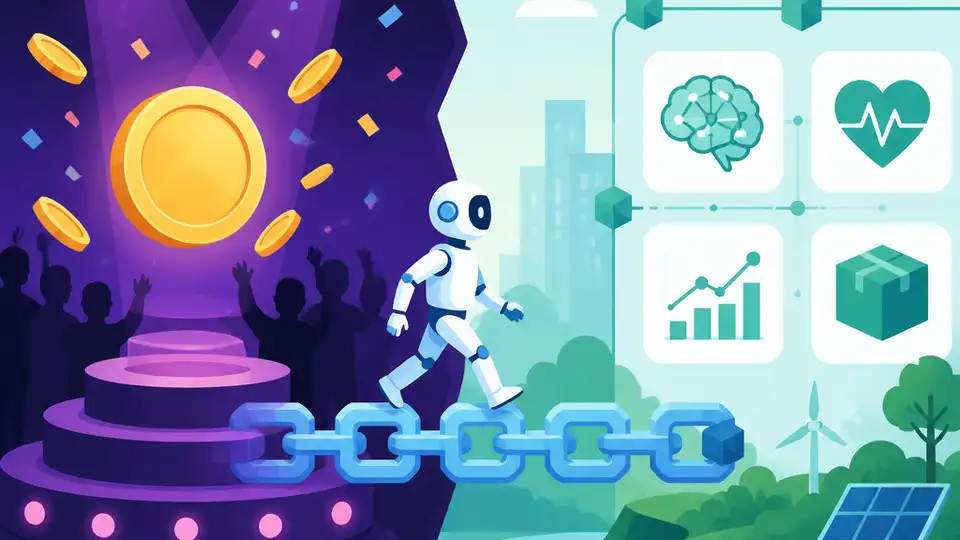
AI and blockchain only matter when the token buys real software utility, not hype.
Most AI-plus-blockchain launches fail because they sell a narrative instead of infrastructure, and the projects that survive will be the ones that make the token necessary for a specific service users actually want.
First argument: utility beats branding every time
Get the latest AI news in your inbox
Weekly picks of model releases, tools, and deep dives — no spam, unsubscribe anytime.
No spam. Unsubscribe at any time.
Solana Unchained’s pitch is strongest where it stops sounding like a market slogan and starts sounding like product design: wallet functions, recovery, commerce, and AI access are bundled into one application, with $UCHN required for higher tiers. That is a clearer value loop than the usual “AI-powered Web3” framing, because it ties token demand to repeated use rather than one-time speculation.

The tiering model makes the point even more plainly. A free tier with 10 daily requests, a Pro tier at 5,000 tokens, an Elite tier at 25,000 tokens, and governance and whitelabel tiers above that create a ladder of utility, not just a chart narrative. If the software works, users who need more throughput will hold the token for access, and that is the only kind of demand that lasts.
Second argument: infrastructure matters more than presale hype
The article’s strongest claim is not that the presale is cheap or that the next phase is near. It is that the project is trying to build infrastructure layers: an on-chain oracle for access control, social recovery for self-custody, and embedded commerce tools that remove the browser-extension chaos that keeps normal users away from crypto products. Those are product decisions, not just tokenomics.
There is also a practical reason this matters. Wallet recovery and account inheritance are real pain points, and seed phrases remain a brutal onboarding tax for mainstream users. A guardian-based recovery system with a 7-day timelock is a concrete response to that problem, and if it works as described, it lowers the cost of adoption more effectively than another whitepaper about decentralization ever will.
The counter-argument
The skeptical view is simple: this is still a token sale wrapped in technical language. A “strict token-gated utility model” can just as easily become paywall theater, and tiered access can punish users by forcing them to lock capital into a speculative asset before they know whether the product is worth using. The presale framing, the APR promises, and the price-step language all look like classic crypto incentives dressed up as infrastructure.
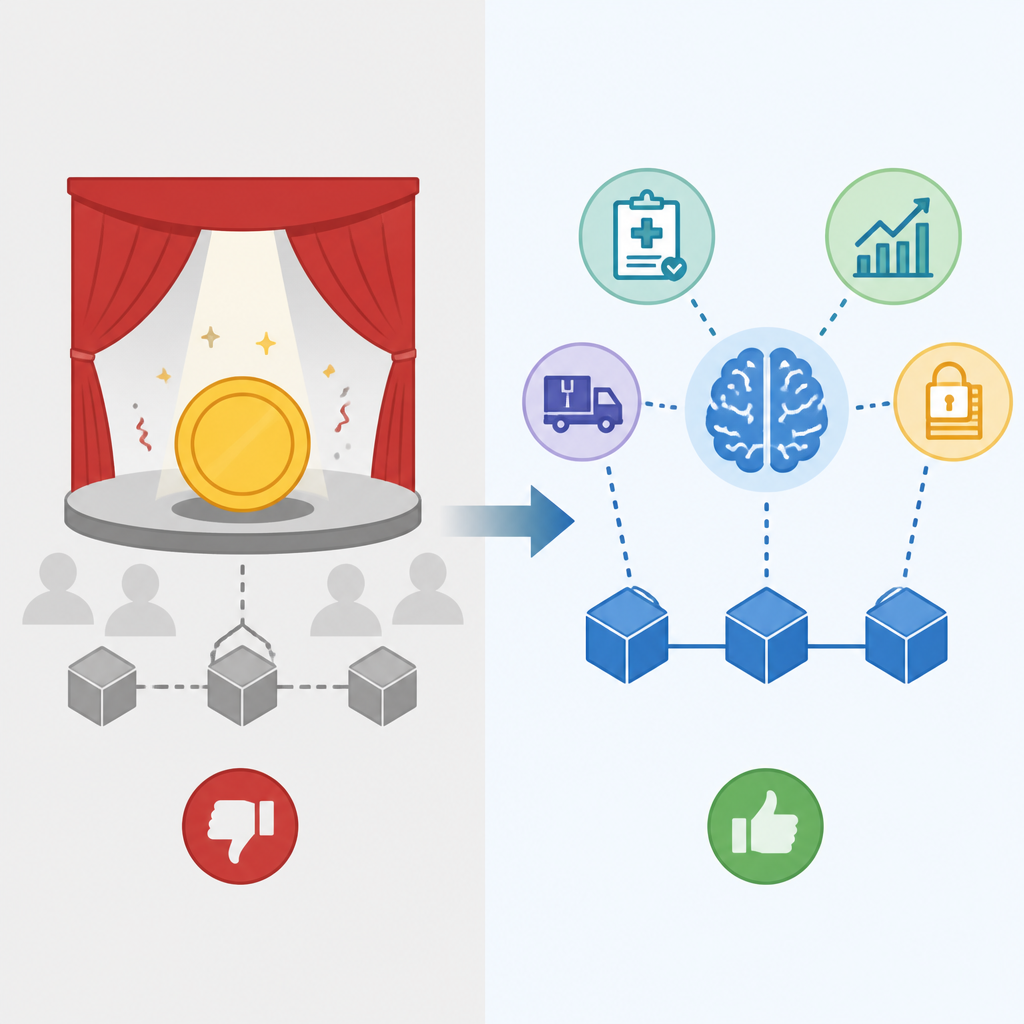
That criticism is fair, and it should not be ignored. Crypto is full of projects that promised utility and delivered dilution, and claims about AI, commerce, and self-custody do not prove product-market fit. Security audits and KYC help, but they do not guarantee adoption, retention, or actual demand for the software.
Still, the counter-argument does not defeat the thesis. The right standard is not whether a token exists, but whether the token is attached to a service with recurring use and measurable constraints. If the product really offers wallet security, AI compute, and commerce in one place, then the token is part of the operating model. If it does not, the market will expose that quickly. That is not a weakness of utility-first design; it is the test.
What to do with this
If you are an engineer, build for usage before issuance: define one task the token unlocks, make that task repeatable, and measure whether users return without incentives. If you are a PM or founder, stop leading with price targets and APR, and instead prove that the software removes a painful step in onboarding, security, or workflow. In this category, the winners will not be the loudest token launches. They will be the products where the token is invisible until the user needs it.
// Related Articles
- [CHAIN]
Bitcoin’s price page explains the market in one view
- [CHAIN]
Web3 Banking Guide for Fintech Teams
- [CHAIN]
10 prediction market builders that can ship Polymarket-style apps
- [CHAIN]
Solana’s July 10 updates point to real adoption
- [CHAIN]
BYDFi Brings Crypto Trading Pitch to Lima
- [CHAIN]
Crypto exchanges should show up in LATAM, not just advertise there