Anthropic’s state AI push could reshape crypto
4 takeaways from Anthropic’s state-by-state AI plan and why crypto builders should watch the ripple effects.

What does Anthropic’s state-by-state AI regulation plan mean for crypto?
Anthropic wants state-level AI rules, and that could affect crypto products built on AI.
Anthropic’s plan is still early, but it matters because fragmented AI rules can spill into financial apps, compliance costs, and crypto infrastructure.
1. Anthropic’s regulatory strategy
Get the latest AI news in your inbox
Weekly picks of model releases, tools, and deep dives — no spam, unsubscribe anytime.
No spam. Unsubscribe at any time.
Anthropic, the company behind Claude, is signaling that it wants AI oversight built state by state instead of waiting for one federal rulebook. That matters because it changes where policy pressure starts, and how fast it can spread.
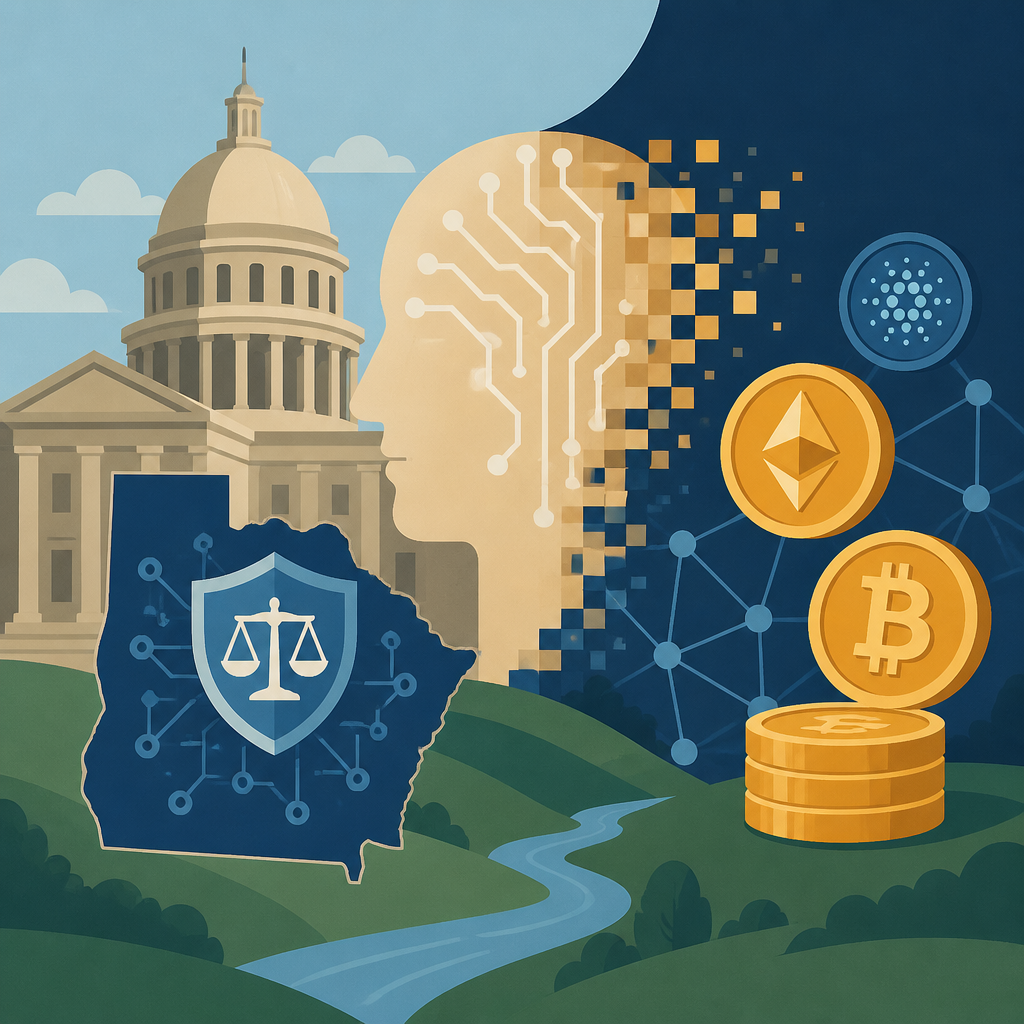
The move fits Anthropic’s long-running image as an AI safety-first company. It has already spent years publishing alignment research and speaking with policymakers, so this is less a pivot than a continuation of its core identity.
- No public list of target states yet
- No draft bill text or formal proposal released
- No timeline or benchmark for adoption
2. The patchwork problem
A state-by-state model can create a compliance maze. If one state demands disclosure for AI outputs and another is looser, builders have to design for the strictest regime or maintain separate workflows.
That is familiar territory for crypto, which already deals with uneven rules across federal agencies and state licensing laws. For AI-powered wallets, trading tools, or analytics products, the overlap could mean more legal review and slower launches.
- Different disclosure rules by state
- Separate compliance workflows for multi-state products
- Higher cost for AI features inside financial apps
3. Why crypto should care
Anthropic is not targeting crypto directly, and there is no sign it is trying to shape digital asset policy. Even so, AI rules can affect the software stack that crypto companies use for fraud detection, customer support, trading signals, and risk scoring.
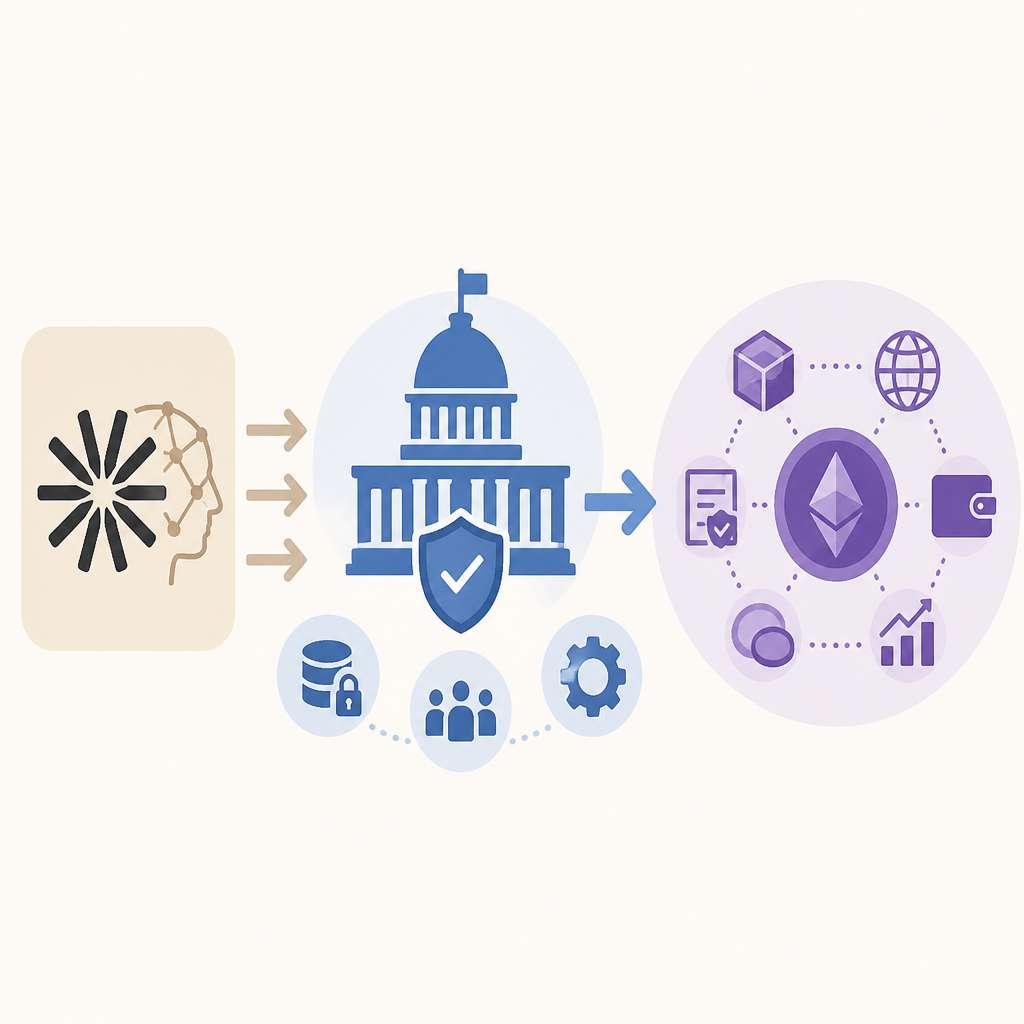
The immediate market impact is limited because Anthropic is private and has no token or public equity tied to this policy push. But if states start writing AI rules that touch financial automation, crypto firms may feel the effects through product design and compliance budgets.
Possible touchpoints:
- AI chatbots for exchanges
- Onchain risk scoring tools
- Automated compliance systems
- Wallet security assistants
4. The real timeline
This is not a finished policy campaign. It is groundwork, and likely a multi-year process if Anthropic tries to engage all 50 states. That means investors should treat it as a directional signal, not a catalyst.
The key detail is the absence of specifics. No named states, no proposed rules, and no measurable rollout plan means there is nothing concrete for markets to price yet. The strategic value lies in where the debate may go next.
- Early-stage policy outreach
- Potentially long legislative cycle
- Low near-term trading impact
How to decide
If you build AI features for crypto products, this is worth monitoring now because state rules can change product requirements fast. If you are only trading tokens, the story is more of a medium-term policy signal than a near-term market event.
For founders, the best response is to map where AI functions touch regulated workflows. For investors, the takeaway is simpler: Anthropic’s move is a reminder that AI policy can reshape crypto indirectly, even when crypto is not the stated target.
// Related Articles
- [IND]
Anthropic’s eerie new ad sparks backlash
- [IND]
OpenAI hires Google Cloud channel chief Philip Larson
- [IND]
OpenAI’s partner network now has a clear path
- [IND]
GPGPU turned graphics chips into general compute engines
- [IND]
AI Firms Are Filling London Offices Fast
- [IND]
Anthropic’s contrarian playbook turns enemies into growth