Apple’s new Foundation Models are all Apple
Apple says its WWDC 2026 Foundation Models use Google help for training, but the shipped models run on Apple code.

Apple says its new Foundation Models are built on Apple code, with Google used only for training help.
Apple used WWDC 2026 to settle a rumor that had been floating around for weeks: its new Foundation Models are not a Gemini wrapper. The company says the models powering Siri AI and Apple Intelligence are built for Apple Silicon, trained with proprietary data, and shipped as Apple software.
That matters because the new stack is bigger than a single model. Apple described four model families, a Private Cloud Compute layer, and a separate cloud path for heavier agentic tasks. The details also make one thing clear: Apple wants outside help where it speeds training, but it does not want Google code inside the user-facing system.
| Model | Where it runs | What it does |
|---|---|---|
| AFM Core | On device | Base Apple Foundation Model for local tasks |
| AFM Core Advanced | On device | Multimodal model with sparse architecture |
| AFM Cloud | Private Cloud Compute | Handles requests too heavy for the device |
| AFM Cloud Image | Private Cloud Compute | Image generation and editing |
| AFM Cloud Pro | Private Cloud Compute with Google cloud servers and NVIDIA GPUs | Agentic tools and the most demanding tasks |
Apple’s AI stack is bigger than the rumor
Get the latest AI news in your inbox
Weekly picks of model releases, tools, and deep dives — no spam, unsubscribe anytime.
No spam. Unsubscribe at any time.
Apple’s clarification came after a short WWDC 2026 session with Craig Federighi, Sebastien Marineau-Mes, Mike Rockwell, and Amar Subramanya. The company laid out a split architecture: small jobs stay on device, heavier requests go to Private Cloud Compute, and the most demanding work gets a separate cloud-backed path.
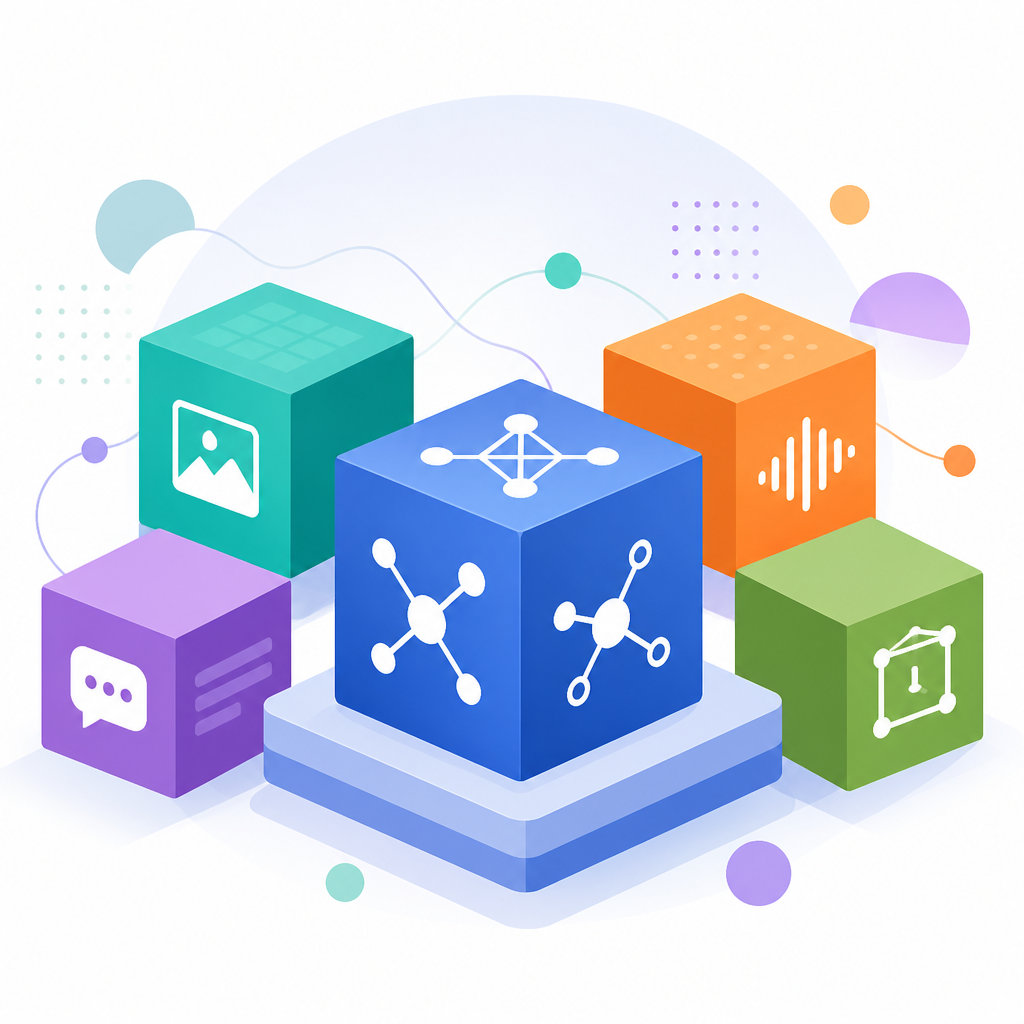
The important part is what Apple says the models are built from. The company says the models are custom-built for Apple Silicon, trained with proprietary data, and refined through distillation from Google Gemini models. That is a very different thing from shipping Gemini itself.
Apple also drew a hard line around the user experience. When someone uses Apple Foundation Models, they are interacting with Apple software, not Google Search, not Gemini agents, and not Google’s customer-facing model stack.
- AFM Core and AFM Core Advanced run on device.
- AFM Cloud and AFM Cloud Image run inside Private Cloud Compute.
- AFM Cloud Pro uses Google cloud servers and NVIDIA GPUs, but stays Private Cloud Compute certified.
- Third parties can review the servers Apple uses to verify the Private Cloud Compute setup.
Why the Google connection confused everyone
The confusion started because Apple had already said Google was helping with Gemini technology. That phrasing left room for speculation, and plenty of people filled the gap with the most dramatic version possible: Apple had given up and decided to ship Gemini under a new name.
That reading does not fit what Apple actually announced. Apple said the models were trained with help from Google technologies, then deployed on Apple’s own architecture. In other words, Google helped shape the training process, while Apple kept control of the runtime, the servers, and the product experience.
Apple’s own executives made that point more than once. The company is clearly trying to avoid the mess that comes from depending on a third-party model for every AI feature, especially when privacy is part of the pitch.
“We use none of the models that Google deploys to their customers, nor do we use the infrastructure and means by which they deploy models to their customers.” — Apple executive during WWDC 2026 discussion, as quoted in AppleInsider
Apple is still fixing the damage from its first AI rollout
Apple’s earlier Apple Intelligence launch created real skepticism. The company promised features that were delayed, and the gap between the announcement and the shipped product gave critics plenty of room to argue that Apple was behind.
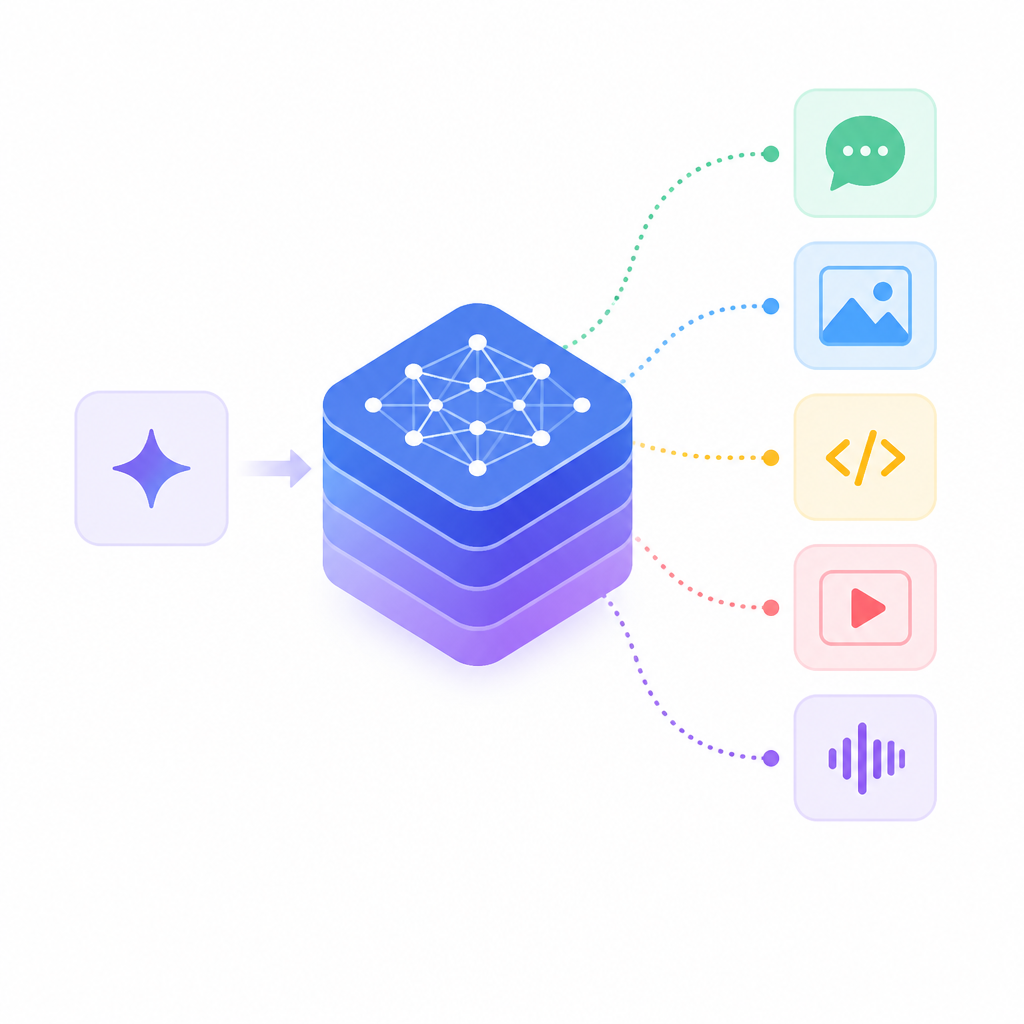
That history explains why this WWDC story spread so fast. Apple had already been accused of underdelivering on AI, so when Google’s name appeared in the same sentence as Apple Foundation Models, people assumed the worst. AppleInsider’s report argues the opposite: Apple used Google help to improve training, then kept the actual product stack in-house.
There is also a practical reason Apple would want that. If the company can keep more inference on device and reserve cloud work for hard requests, it can preserve privacy claims while reducing dependence on outside model vendors.
- On-device inference lowers data exposure.
- Private Cloud Compute gives Apple a middle ground for larger tasks.
- Cloud Pro adds more capacity without turning the product into a generic hosted model service.
- Distillation lets Apple absorb model knowledge without shipping the source model itself.
What this means for Siri and Apple Intelligence
The new Foundation Models are the engine behind Siri AI and Apple Intelligence. That means Apple is betting the next version of its assistant will feel more capable without asking users to accept a full handoff to a third-party AI provider.
That is a smart strategic move. Apple gets to keep the privacy story intact, keep control of the product roadmap, and still benefit from outside model research where it helps. Google gets credit for training assistance, but not for owning the experience.
For developers and power users, the real question is whether Apple can make this stack feel fast, useful, and consistent across iPhone, iPad, and Mac. The architecture sounds sensible on paper. The test is whether Siri can finally answer more complex requests without becoming a demo that works only when the stars align.
Apple has set a clear bar: its AI should feel like Apple software, run like Apple software, and stay under Apple’s control. The next few releases will show whether that promise holds when real users start pushing the models beyond keynote-friendly examples.
One thing is already clear: Apple did not ship Gemini in disguise, and that changes the debate around its AI strategy. The more interesting question now is whether Apple’s mix of on-device models, Private Cloud Compute, and selective outside training can close the gap with OpenAI, Anthropic, and Google DeepMind without giving up the control that makes Apple, well, Apple.
// Related Articles
- [MODEL]
Google ships Gemini 3.6 Flash and 3.5 Lite
- [MODEL]
Kimi K3 Is Forcing Silicon Valley to Pick Sides
- [MODEL]
Opus 5 lets you ship with fewer refusals
- [MODEL]
Claude Opus 5 undercuts Fable 5 on price
- [MODEL]
OpenAI model catalog adds GPT-5.6 pricing tiers
- [MODEL]
Gemini 3.6 Flash proves Google is betting on efficiency over hype