5 banking workflow patterns SAS Viya keeps governed
5 patterns show how SAS Viya MCP Server lets Claude Cowork orchestrate banking analytics while governance stays inside SAS Viya.
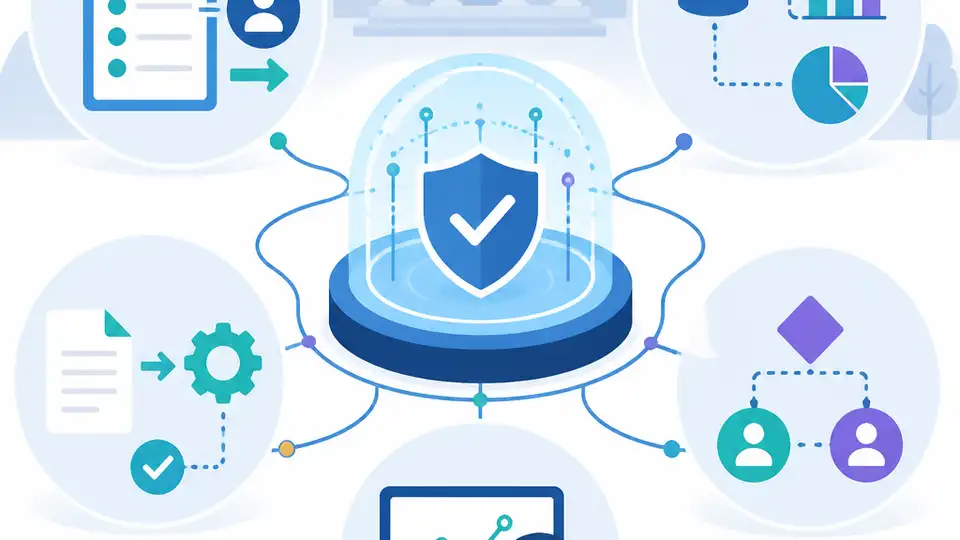
How does SAS Viya MCP Server let Claude Cowork run a governed banking workflow?
SAS Viya MCP Server lets Claude Cowork orchestrate banking analytics while SAS Viya keeps execution and governance.
| Item | What it does | Why it matters |
|---|---|---|
| MCP tools | 40+ SAS capabilities | Standardized access to analytics |
| Demo workflow | ~10 minutes | Shows end-to-end orchestration |
| Human approval | Before deployment | Supports regulated oversight |
1. Standardized MCP tools instead of custom glue
Get the latest AI news in your inbox
Weekly picks of model releases, tools, and deep dives — no spam, unsubscribe anytime.
No spam. Unsubscribe at any time.
The first pattern is simple: SAS Viya MCP Server exposes SAS data, analytics, models, reporting, and decisioning as standardized MCP tools. That means an assistant such as Claude Cowork can discover capabilities without bespoke point-to-point integrations for each use case.
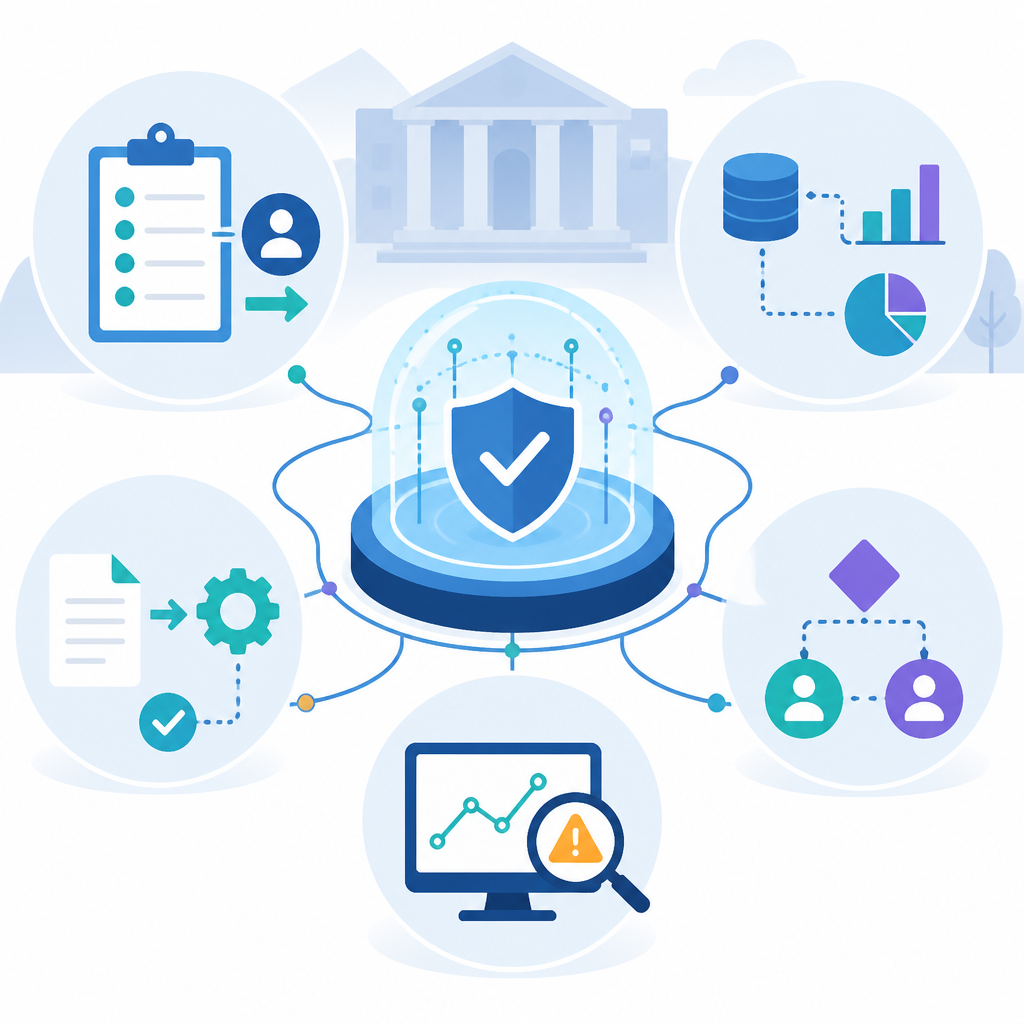
For banking teams, that matters because the workflow is not trapped inside one-off scripts. The same tool layer can support credit evaluation, fraud work, or other analytics jobs while reusing existing SAS assets and controls.
- More than 40 capabilities are available in the current open-source project on GitHub.
- Coverage includes data governance, data access, AutoML, model management, reporting, and deployed model interaction.
- LLMs call tools; SAS Viya performs the governed work.
2. Claude Cowork as the orchestration layer
In the demo, Claude Cowork does not replace SAS analytics. It acts as the interface that coordinates the steps in natural language, then hands execution to SAS Viya. That separation keeps the assistant useful for planning and coordination without making it the system of record.
This is the article’s core architectural point. The assistant can request data ingestion, profiling, model building, evaluation, publication, and scoring, while SAS Viya remains the trusted execution layer behind each action.
- Natural language request
- Data ingestion and profiling
- Automated machine learning
- Model evaluation and comparison
- Operational scoring
3. Governed credit evaluation from raw data to model
The banking example uses a credit classification problem: predict whether an applicant is a good or bad credit risk. The workflow combines a recently released Santander AI Lab data set with a well-known German credit data set, then runs the analysis through governed SAS services.
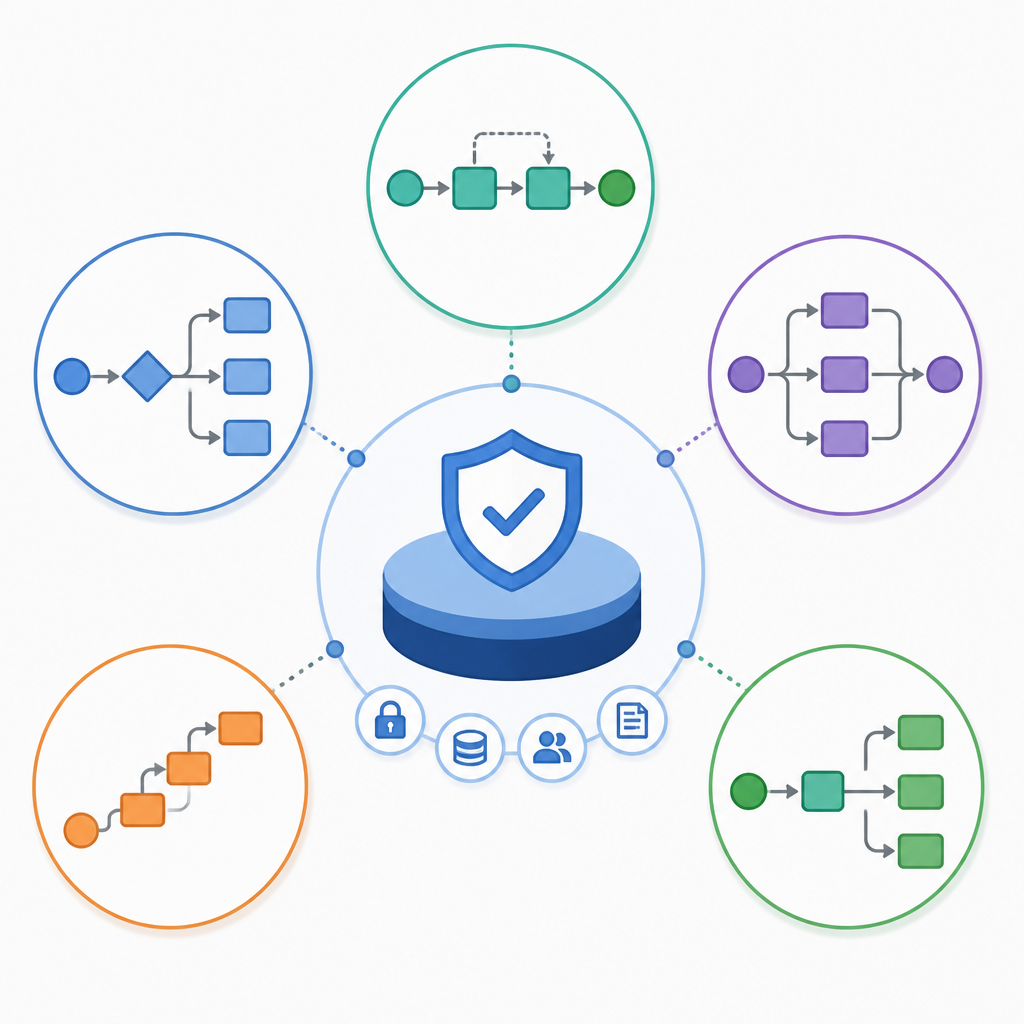
That sequence shows how agentic AI can speed up an analytics project without turning it into a black box. The assistant coordinates the tasks, but users can still inspect profiling results, review pipelines, compare models, and see how the final score was produced.
Workflow steps:
1. Ingest data
2. Profile and review governance
3. Train models with AutoML
4. Compare and validate
5. Publish approved model
6. Score operational records
4. Governance and auditability stay inside SAS Viya
Regulated banking work needs more than automation. It needs review, explanation, access control, and a clear audit trail. In this setup, analytics and model management remain inside SAS Viya, so governance is not bolted on after the fact.
That design also keeps enterprise platform details and internal SAS endpoints away from the underlying LLM. The assistant orchestrates, but it does not directly expose the sensitive machinery underneath, which helps preserve control in environments where oversight is mandatory.
- Existing governance frameworks are reused, not recreated.
- Outputs can be reviewed before deployment.
- Human approval remains part of the model life cycle.
5. Reuse across banking use cases beyond credit
The last pattern is reuse. The same architecture is not limited to credit modeling. Because the assistant is only coordinating standardized tools, teams can extend the approach to fraud detection, marketing optimization, customer intelligence, anti-money laundering, and related decisioning workflows.
That matters for technical teams with existing SAS investments. Models, decision flows, and domain expertise do not need to be rebuilt for every AI assistant experience. Instead, the assistant becomes a new front end for assets already managed in SAS Viya.
- Fraud detection
- Marketing optimization
- Customer intelligence
- Anti-money laundering
How to decide
If you want a quick demo of agentic analytics in a regulated setting, start with the credit evaluation workflow. If your priority is control, focus on the governance patterns: tool standardization, execution inside SAS Viya, and human approval before deployment.
If your team already runs SAS models or decisioning assets, this approach is more about reuse than replacement. The assistant adds a natural-language control layer, while SAS Viya keeps the parts banking teams need most: auditability, oversight, and trusted execution.
// Related Articles
- [IND]
Wall Street backs Nvidia’s AI financing push
- [IND]
Claude Code Is No Longer the Clear Front-Runner
- [IND]
Anthropic Builds Its Own Chip Team for Claude
- [IND]
Anthropic backs dedicated data centers with Macquarie, GIC
- [IND]
2027 AI capex bets are already taking shape
- [IND]
OpenAI and Anthropic take 80% of AI 50 funding