Blockchain.com’s tokenized stock push is the right bet
Blockchain.com is right to expand tokenized equities because on-chain market access is becoming a real product, not a stunt.

Blockchain.com is right to expand tokenized equities because on-chain market access is becoming a real product, not a stunt.
Blockchain.com should keep expanding tokenized stocks and ETFs because the market is already proving that users want tradable exposure on crypto rails, not just another wrapper around old finance.
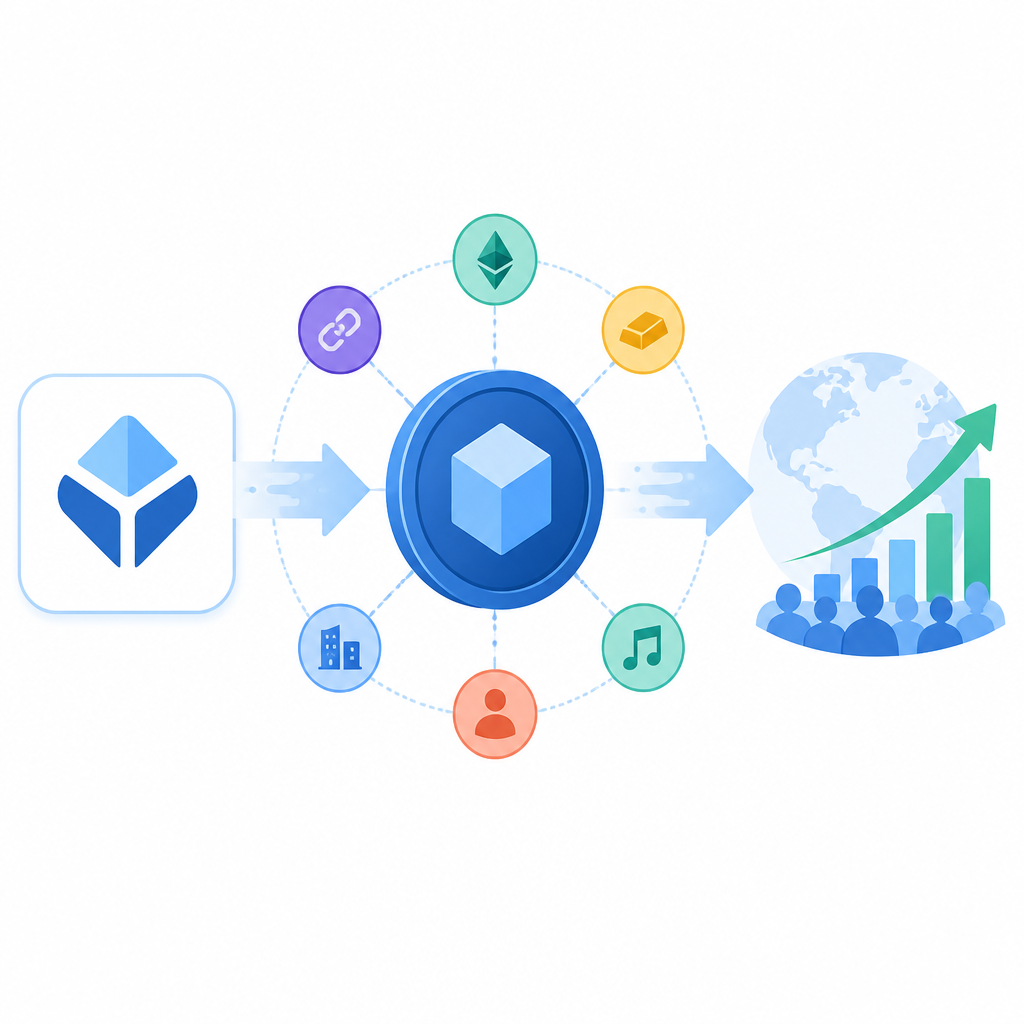
That is not a theory anymore. The company says it has added 173 tokenized assets through Ondo Finance, pushing its catalog past 430 offerings across Ethereum, Solana and BNB Chain. The lineup is broad enough to matter: private-company exposure, Treasury-linked products, covered-call strategies, themed baskets and public-market names. RWA.xyz data cited in the report puts tokenized equities at about $1.57 billion in distributed value, up from roughly $330 million a year earlier. That is real growth, not marketing noise.
Tokenized equities solve a distribution problem traditional markets keep ignoring
Get the latest AI news in your inbox
Weekly picks of model releases, tools, and deep dives — no spam, unsubscribe anytime.
No spam. Unsubscribe at any time.
The strongest case for Blockchain.com’s move is simple: tokenization turns market access into software. If a user already holds assets in a wallet and already trades on-chain, the friction of opening a separate brokerage account, waiting on transfer windows and dealing with fragmented product access becomes unnecessary. The appeal is not novelty. It is consolidation.

The breadth of the new slate shows why this matters. Blockchain.com is not only listing public stocks in token form. It is also adding ETFs, Treasury products, covered-call income strategies and sector baskets tied to AI infrastructure, robotics and quantum computing. That mix tells you the product is evolving from “synthetic stock exposure” into a full on-chain allocation layer. Once the wrapper can hold more than one asset class, it stops being a gimmick and starts being a portfolio tool.
The infrastructure matters more than the headline asset list
Tokenized equities fail when listing is easier than execution. That is why the Ondo partnership is the real story here. Blockchain.com says the assets are available immediately, with Ondo’s routing and liquidity infrastructure supporting all 173 listings at launch. In other words, the company is not just announcing a catalog. It is leaning on a distribution stack that can actually move assets.
Scale matters too. The article cites RWA.xyz data showing Ondo at about $3.8 billion in distributed assets across 267 tokenized products. That figure is not limited to equities, but it signals that the infrastructure is already operating at a size large enough to support broader issuance and trading. In a market where tokenized offerings often stumble on settlement, routing or inventory, using a platform with that kind of footprint is a rational choice, not a speculative one.
Regulatory momentum is turning tokenized stocks from edge case to category
The regulatory backdrop is shifting in a way that favors this strategy. The article points to a US SEC proposal that Galaxy’s Alex Thorn described as one of the biggest potential unlocks for tokenized stock trading. His argument is straightforward: if structural barriers to trading US equities in DeFi come down, the product category becomes much easier to scale.
That matters because tokenized equities have always been constrained by the gap between on-chain speed and off-chain market rules. The recent SpaceX token episodes exposed that gap clearly. Several venues reportedly had to cancel tokenized SpaceX offerings and refund users after failing to secure share allocations. That is the core problem the industry must solve. Better regulation will not remove market scarcity, but it can reduce the legal and operational uncertainty that keeps platforms from building around it.
The counter-argument
The skeptical view is strong: tokenized equities still depend on the same real-world plumbing they claim to improve. If the underlying shares are scarce, if allocations are constrained, or if the issuer cannot reliably source exposure, then the on-chain wrapper does not create liquidity out of thin air. It only moves the bottleneck somewhere less visible.
That criticism is fair, especially for high-demand names like SpaceX-related products. It is also true that regulatory clarity alone will not solve every execution problem. But that is not a reason to slow down. It is a reason to build the infrastructure properly. Tokenized equities are not supposed to abolish market mechanics. They are supposed to make access, routing and portfolio construction easier once those mechanics are in place. Blockchain.com is betting on the right layer of the stack.
What to do with this
If you are a founder, build around distribution and settlement, not just the asset headline. If you are a PM, design for breadth across equities, ETFs and yield products, because users want a portfolio surface, not a single token. If you are an engineer, treat liquidity routing, inventory visibility and failure handling as first-class product features. The winners in tokenized finance will not be the loudest launchers. They will be the teams that make on-chain access feel dependable.
// Related Articles
- [CHAIN]
Bitmine says ETH holdings hit 5.67M tokens, $10.7B
- [CHAIN]
Crypto presales in 2026: the top audited picks
- [CHAIN]
New crypto picks with real utility in 2026
- [CHAIN]
Ethereum Tops 1 Million Lifetime Developers
- [CHAIN]
Ethereum ecosystem coins ranked by market cap
- [CHAIN]
DeFi Technologies’ 5 signals behind the Nasdaq test