DMG’s 50 MW AI LOI is a better use of miners’ power assets
DMG Blockchain’s 50 MW AI LOI shows bitcoin miners should convert power-rich sites into AI infrastructure.
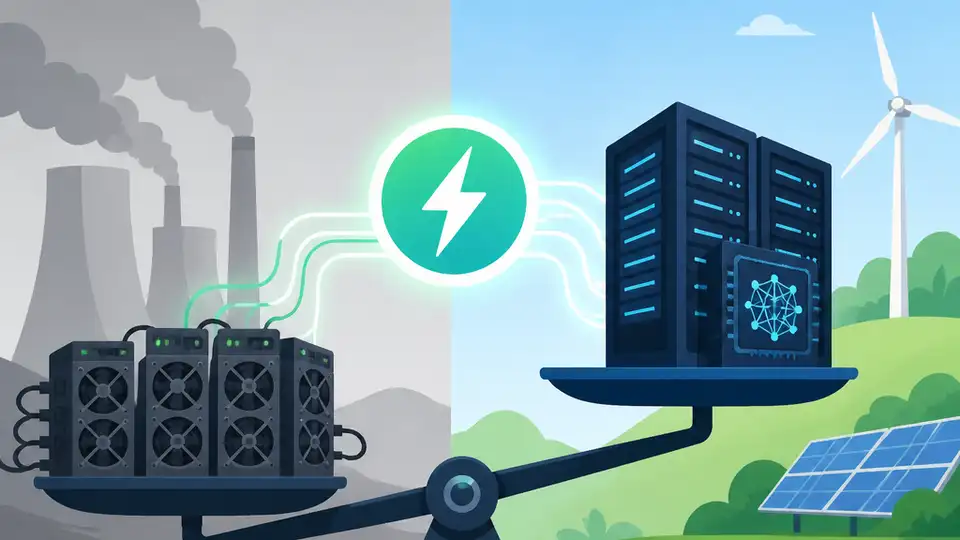
DMG Blockchain’s 50 MW AI LOI shows bitcoin miners should convert power-rich sites into AI infrastructure.
DMG Blockchain is making the right move by treating Christina Lake less like a pure bitcoin mine and more like a power-backed AI infrastructure asset.
First argument: power access is now the scarce product
Get the latest AI news in your inbox
Weekly picks of model releases, tools, and deep dives — no spam, unsubscribe anytime.
No spam. Unsubscribe at any time.
The most valuable thing DMG controls is not hash rate, it is 50 megawatts of usable load at a site that already exists. In AI infrastructure, that matters more than branding or mining pedigree. The company is not starting from scratch, which gives it a real advantage over greenfield data center developers that still have to secure land, permits, interconnects, and construction timelines.

That is why this LOI matters even before a definitive agreement. DMG says the first phase is targeted for Dec. 31, 2026, and the structure points to a 12-year term with multiple renewal periods. Those are the economics of infrastructure, not speculative crypto trading. A long-duration tenant with recurring charges is a cleaner business model than waiting on bitcoin price cycles to rescue margins.
Second argument: miners already own the right kind of real estate
Bitcoin miners built their businesses around cheap power, industrial zoning, and operational discipline under tight electrical constraints. Those are exactly the ingredients AI colocation providers need now. DMG is not reinventing itself from a software company into a data center operator. It is repurposing a physical footprint that already solves the hardest part of the problem: where to put compute and how to feed it electricity.
Other miners are making the same pivot because the market has changed. AI demand rewards predictable infrastructure revenue far more than it rewards exposure to volatile mining output. DMG’s plan to use debt as the primary financing method also fits that logic. If the customer is investment-grade and the contract is durable, lenders can underwrite the project as infrastructure cash flow rather than as a crypto bet.
The counter-argument
The skeptical view is straightforward: this is still just an LOI, not a signed contract, and DMG itself says there is no assurance a final deal will be reached. The tenant is unnamed, the arrangement is non-binding outside specific protections, and Christina Lake remains a bitcoin mining site during the negotiation period. From that angle, investors are reading too much into a preliminary step.
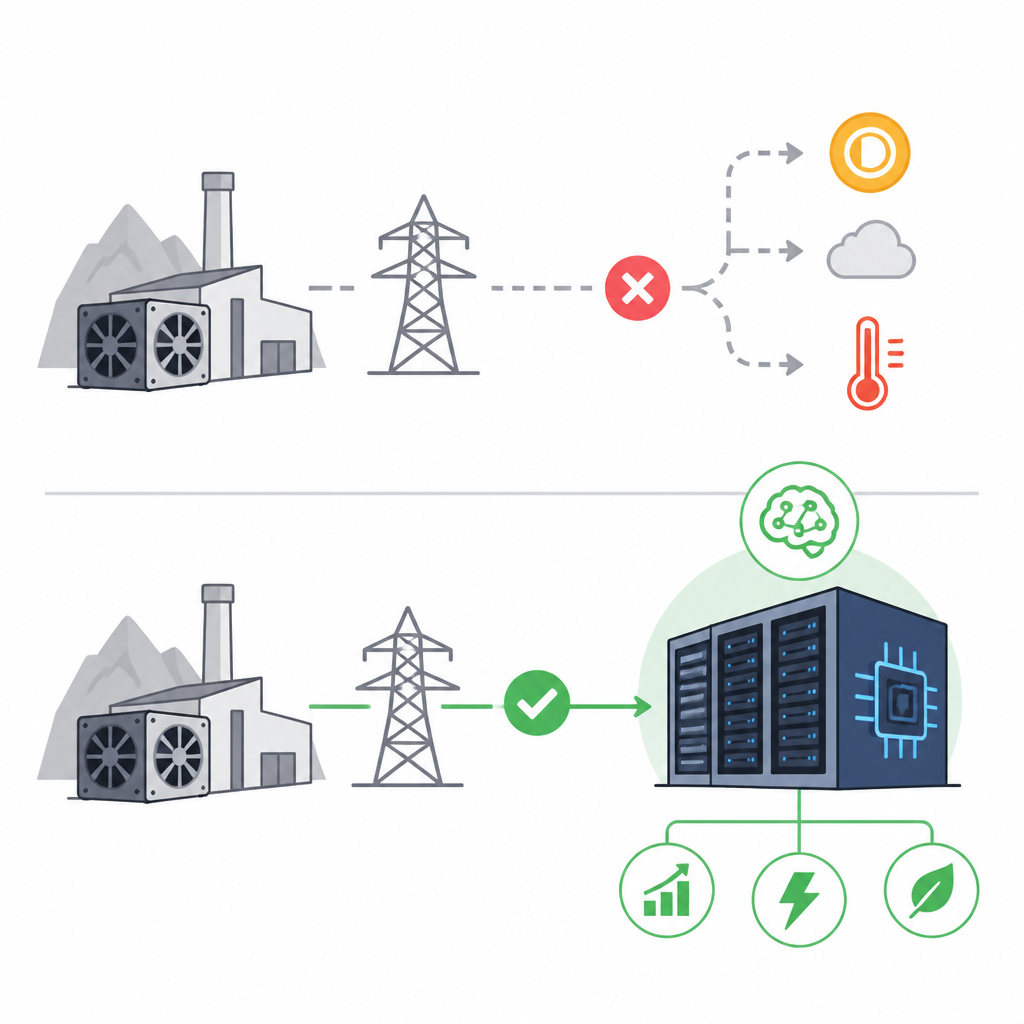
That criticism is fair on execution risk, but it does not weaken the strategic conclusion. The point is not that DMG has already won an AI lease. The point is that the company is correctly aiming its scarce asset at a higher-value use case. Even if this specific tenant walks, the direction is still right: power-rich mining sites are being repriced as AI infrastructure, and firms that move first will have the better shot at durable revenue.
What to do with this
If you are an investor, stop valuing listed miners only on hash rate and bitcoin exposure. Start asking which ones control power, interconnects, and sites that can be re-leased for AI. If you are an operator, treat this as a signal to design your next capex plan around optionality, because the best mining asset may be the one that can stop mining. If you are a founder, build around the bottleneck: secured electricity and usable industrial capacity are the new moat.
// Related Articles
- [CHAIN]
Bitcoin’s price page explains the market in one view
- [CHAIN]
Web3 Banking Guide for Fintech Teams
- [CHAIN]
10 prediction market builders that can ship Polymarket-style apps
- [CHAIN]
Solana’s July 10 updates point to real adoption
- [CHAIN]
BYDFi Brings Crypto Trading Pitch to Lima
- [CHAIN]
Crypto exchanges should show up in LATAM, not just advertise there