GitHub repo MiMo-Code adds terminal AI coding assistant
Xiaomi’s MiMo-Code lands on GitHub as a terminal-native AI coding assistant with memory, subagents, and compose mode.

Xiaomi’s MiMo-Code is a terminal-native AI coding assistant with memory, subagents, and compose mode.
MiMo-Code, the new open source repo from XiaomiMiMo, is built as a terminal-native AI coding assistant that can read and write code, run commands, manage Git, and keep persistent project memory across sessions. The GitHub project page shows 9.3k stars, 826 forks, 383 issues, 371 pull requests, and a first public release tagged v0.1.1 on Jun. 15, 2026.
| 項目 | 數值 |
|---|---|
| GitHub stars | 9.3k |
| Forks | 826 |
| Issues | 383 |
| Pull requests | 371 |
| Latest release | v0.1.1 |
| Release date | Jun. 15, 2026 |
What changed
Get the latest AI news in your inbox
Weekly picks of model releases, tools, and deep dives — no spam, unsubscribe anytime.
No spam. Unsubscribe at any time.
The repo positions MiMo-Code as more than a chat-based assistant. It ships with a TUI, multiple agent modes, checkpointing, task tracking, and a memory layer designed to preserve project context between sessions.
Core features listed in the README include:
- Multiple agents: build, plan, and compose modes for different stages of work.
- Persistent memory: SQLite FTS5-backed project memory, session checkpoints, scratch notes, and task logs.
- Context management: automatic checkpoint creation and context reconstruction when the window gets tight.
- Subagents: parallel workers with lifecycle tracking, cancellation, and background execution.
- Compose mode: a workflow for specs, execution, code review, TDD, debugging, verification, and merge steps.
The project also includes voice input, a /goal stop condition with judge-based verification, and dream/distill commands for turning session traces into reusable knowledge and skills. Setup is aimed at quick starts: users can install via a shell script or npm, then point the tool at Xiaomi’s free-for-limited-time MiMo Auto channel, the Xiaomi MiMo Platform, Claude Code credentials, or any OpenAI-compatible provider.
Why it matters
For developers, the main draw is continuity. Instead of starting each session from scratch, MiMo-Code tries to remember architecture decisions, task state, and repeated workflows, which could cut down on repeated prompting and context loss in longer coding jobs.
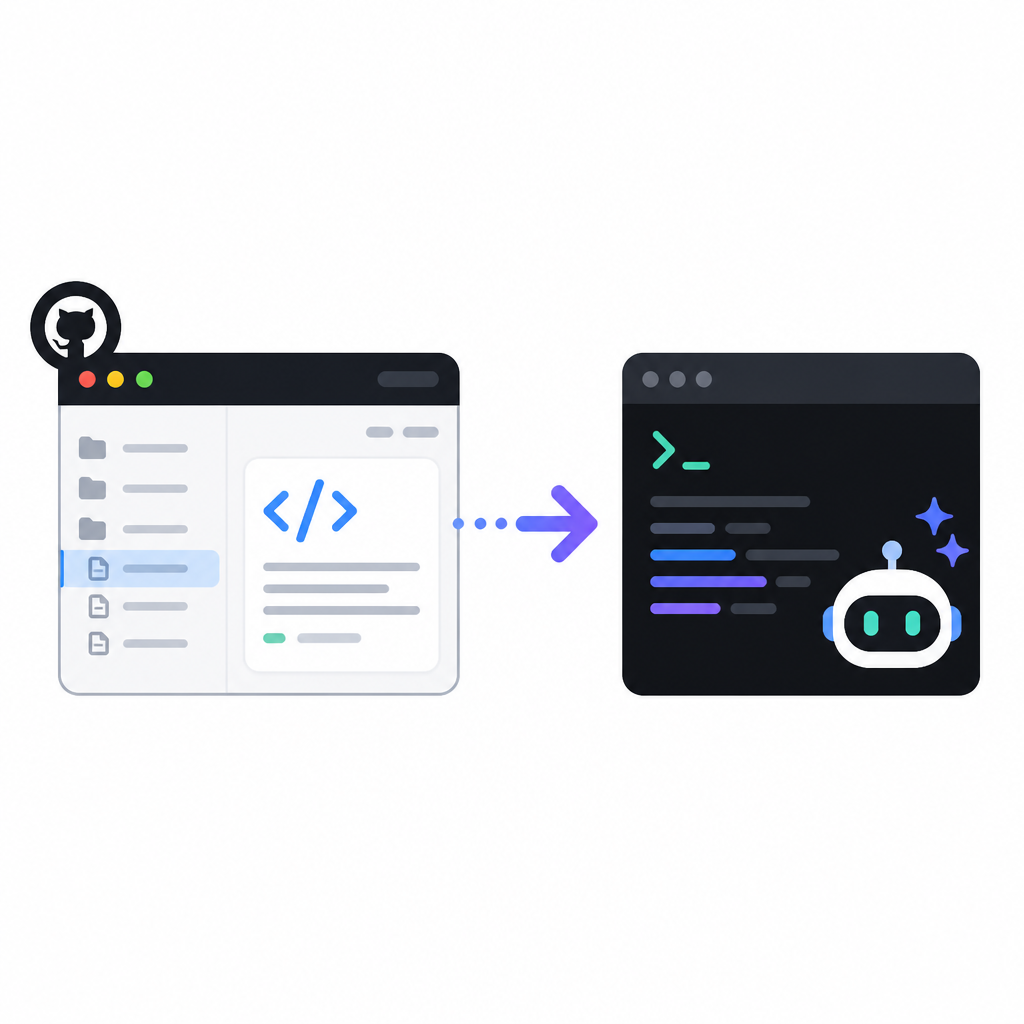
It also pushes the agent model toward more autonomous work. With subagents, goal checks, and compose mode, the tool is aimed at multi-step development tasks where a terminal workflow can handle planning, coding, review, and verification without bouncing between separate apps.
Because the project is a fork of OpenCode, it inherits support for multiple providers, TUI workflows, LSP, MCP, and plugins, while layering on Xiaomi-specific memory and orchestration features. That makes it a useful signal for how terminal-first coding agents are evolving: less prompt toy, more stateful development system.
The key question is whether persistent memory and autonomous subagents make terminal coding assistants meaningfully better in real projects, or just more complex to trust.
// Related Articles
- [TOOLS]
Windsurf’s IntelliJ plugin is a shortcut, not a strategy
- [TOOLS]
SWE-1.7 free preview lands in Devin Desktop
- [TOOLS]
Vibe Island’s changelog shows the right product bets
- [TOOLS]
OpenAI Newsroom turns announcements into a digest
- [TOOLS]
Trendshift monthly repos let you spot real momentum
- [TOOLS]
Rust vs Go in 2026: pick the right fit