GPT-5.6 Is OpenAI’s Best Coding Model, But the Real Story Is ChatGPT …
OpenAI’s GPT-5.6 is a strong coding release, but the bigger shift is the merger of ChatGPT, Codex, and Work into one agent platform.

80 points on Coding Agent Index puts GPT-5.6 Sol at the front of the coding race.
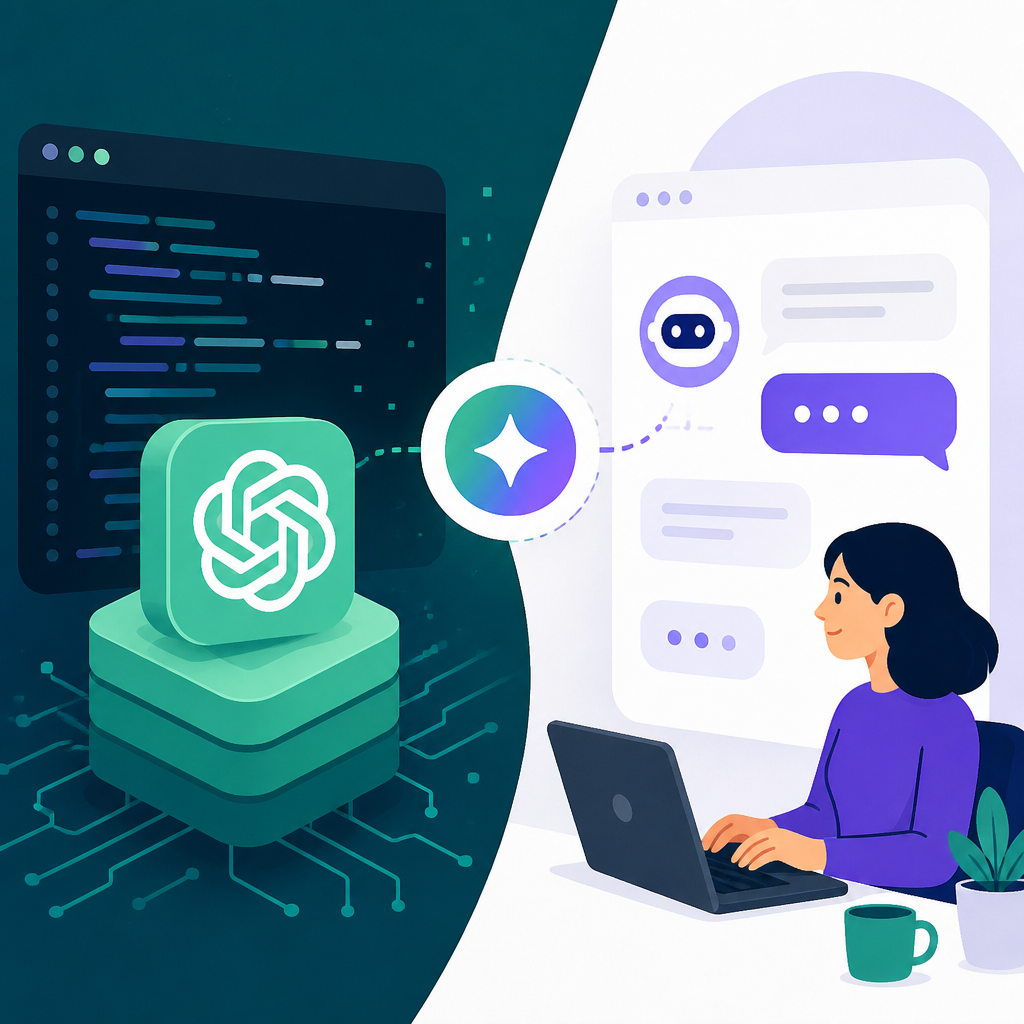
OpenAI’s GPT-5.6 is not just another model bump; it is a product strategy shift that turns ChatGPT into the company’s single work surface.
That matters because the release pairs a stronger flagship model with lower-priced tiers, new multi-agent execution modes, and a merged desktop workflow that absorbs Codex into ChatGPT. The headline numbers are real: Sol reaches 80 on the Coding Agent Index, 53.6% on Agents’ Last Exam, and 88.8% on Terminal-Bench 2.1, while Terra and Luna cut the price ladder down to $2.5 and $1 per million input tokens respectively. This is not a laboratory curiosity. It is an attempt to make one interface handle coding, browsing, file work, and long-running tasks.
OpenAI is winning on capability, not just branding
Get the latest AI news in your inbox
Weekly picks of model releases, tools, and deep dives — no spam, unsubscribe anytime.
No spam. Unsubscribe at any time.
The first reason this release matters is simple: GPT-5.6 Sol shows up where serious buyers notice. On Artificial Analysis Coding Agent Index, Sol scores 80, ahead of Claude Fable 5 by 2.8 points. On Agents’ Last Exam, it reaches 53.6%, and on Terminal-Bench 2.1 it posts 88.8% in Ultra mode. Those are the kinds of numbers that influence whether an engineering team treats a model as a toy, a helper, or a primary workhorse.
Just as important, OpenAI is claiming efficiency gains alongside those scores. The article’s comparison says Sol does the job with less than half the output tokens, less than half the time, and roughly one-third lower cost than the rival benchmarked model. That combination changes procurement logic. A model that is slightly better is nice; a model that is better and cheaper is what gets adopted in production.
The pricing ladder is the sharper business move
OpenAI did not stop at a flagship. It built a tiered stack: Sol at $5 input and $30 output per million tokens, Terra at $2.5 and $15, and Luna at $1 and $6. That is a deliberate attack on the idea that high-end reasoning must stay expensive. It gives teams a reason to route easy tasks to cheaper models and reserve Sol for hard ones.
The practical effect is obvious for product teams. A company that wants AI in support, internal tooling, code review, and research can now map different workloads onto different price points without changing vendors or interfaces. That is how platform lock-in happens. Not through one great demo, but through a portfolio that is cheap enough to spread everywhere and strong enough to keep the premium tier relevant.
The merger of ChatGPT and Codex is the real platform play
The second argument is that the Codex merger matters more than the model name. OpenAI is collapsing the old split between chat, coding, and desktop automation into one environment. The new ChatGPT desktop app adds a built-in browser and Computer Use, so it can click, type, move files, and work across local apps and documents. That turns ChatGPT from a conversational product into an operating layer for knowledge work.
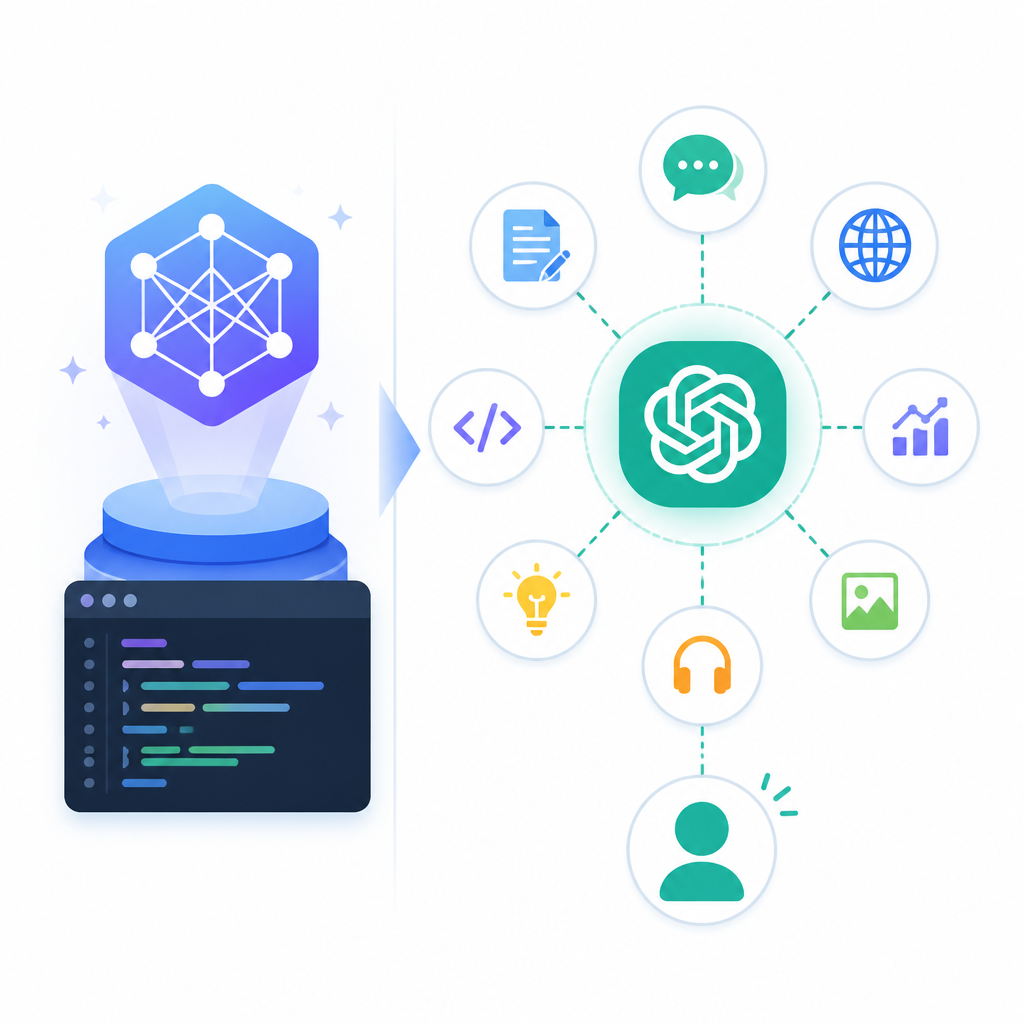
ChatGPT Work makes that ambition explicit. It is designed to run across apps and files for hours, continue from a phone, and keep pushing a project toward completion. That is a meaningful shift from “answer my question” to “finish the task.” For teams, the difference is not cosmetic. It changes how work is assigned, monitored, and resumed, and it makes the model feel less like software you consult and more like software you delegate to.
OpenAI is betting on multi-agent execution, and that bet is rational
The article’s most revealing detail is the new max and ultra modes. Max gives the model more thinking time, while Ultra can launch four agents by default and up to sixteen for heavier jobs. That is not a gimmick. It reflects a basic truth of modern AI systems: parallel attempts often beat a single long chain of thought, especially in browsing, security analysis, and command-line work.
The benchmark pattern supports the strategy. On BrowseComp, SEC-Bench Pro, and Terminal-Bench 2.1, adding parallel agents shifts the score-time curve up and left, meaning higher quality and faster delivery at the same time. That is the kind of result that justifies orchestration overhead. If a product can spend more tokens to finish sooner and better, then “more compute” becomes a feature, not a cost leak.
The counter-argument
The skeptical view is strong: benchmark wins do not equal durable advantage, and product consolidation can create a brittle experience. A model that tops coding charts today can be overtaken in weeks. A desktop agent that touches files, browsers, and local apps raises security, privacy, and reliability risks. And multi-agent systems can burn through tokens fast enough to wipe out the pricing advantage on real workloads.
There is also a user-trust problem. If ChatGPT becomes the single front door for everything, failures become more visible and more expensive. One bad action in a file system or browser session can do more damage than a wrong text answer. That means the bar for adoption is higher than raw benchmark scores suggest.
That critique is right about the risks, but it does not overturn the release. OpenAI is not selling a universal autonomous employee; it is selling a controllable work surface with tiered capability. The merge of ChatGPT and Codex reduces context switching, and the model lineup lets teams choose cost and risk levels per task. The security burden is real, but the strategic direction is still correct: the winner in this market is the platform that can combine reasoning, action, and orchestration in one place.
What to do with this
If you are an engineer, PM, or founder, treat GPT-5.6 as a workflow redesign trigger, not just a model upgrade. Start by routing one high-value but bounded task through the new ChatGPT Work stack, measure token spend, completion time, and failure modes, then decide where Sol, Terra, or Luna belongs in your own system. The companies that win here will not be the ones that admire the benchmark chart; they will be the ones that rebuild their operating loop around it.
// Related Articles
- [IND]
OpenSearch’s vector search benchmark in 5 parts
- [IND]
Vector Databases That Work in Production
- [IND]
EU AI Act hits business systems on Aug. 2, 2026
- [IND]
US AI law in 2026: what teams must track
- [IND]
WebX 2026’s agenda centers on stablecoins and AI
- [IND]
Half-price AI is the real frontier, not smarter models