Libghostty is becoming the terminal substrate for agent workflows
Libghostty is turning into the default base layer for terminals and AI agent workspaces.

Libghostty is turning into the default base layer for terminals and AI agent workspaces.
Libghostty is no longer just a terminal engine; it has become the substrate for a growing category of native apps, web terminals, and AI agent workspaces.
First argument: the ecosystem is already broad enough to prove demand
Get the latest AI news in your inbox
Weekly picks of model releases, tools, and deep dives — no spam, unsubscribe anytime.
No spam. Unsubscribe at any time.
The awesome-libghostty list is not a vanity catalog. It spans bindings for Rust, Swift, Go, Dart, .NET, Node, Python, Elixir, Odin, Zig, and even MoonBit, which is what healthy platform gravity looks like. When a core library attracts wrappers across that many languages, it stops being a niche implementation detail and starts becoming infrastructure.
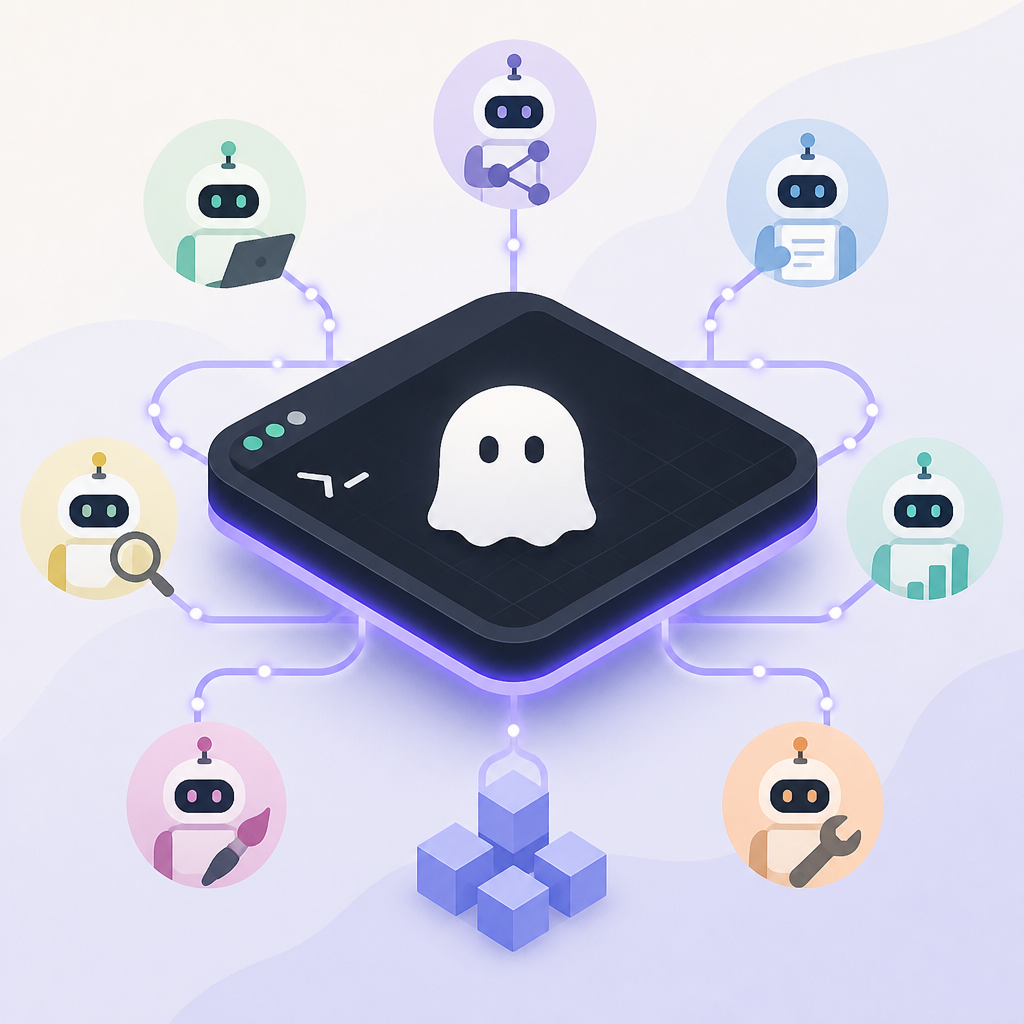
The terminal app layer is just as telling. The repository includes native macOS tools, Linux terminals, Android SSH clients, iOS clients, browser terminals, and embedded terminal panes for editors and notebooks. That spread matters because it shows libghostty is not winning on one OS or one audience. It is winning where developers actually spend time, across shells, remote sessions, and embedded workflows.
Second argument: AI agent tooling is the real breakout use case
The most important pattern in the list is not generic terminal emulation. It is agent orchestration. Projects like Supacode, taskers, Forge, AiyuTerm, and Factory Floor are built around running coding agents in parallel, managing long-lived sessions, and keeping workspaces visible while the agent works. That is a different product category from the classic terminal, and libghostty is becoming the rendering and session layer that makes it usable.
This matters because agent workflows are operationally messy. They need split panes, persistent state, SSH, tmux-like control, worktree awareness, and quick visual feedback on what each agent is doing. A library that can power a native macOS command center for parallel coding agents is doing more than drawing text. It is enabling the interface model that agentic development now requires.
The counter-argument
The skeptical view is straightforward: an awesome list is not proof of durable adoption. GitHub collections often overstate momentum, and many of these projects are early-stage or experimental. Some will disappear, some will never ship, and some will remain hobby tools with polished READMEs. From that angle, the list reflects developer curiosity more than market validation.
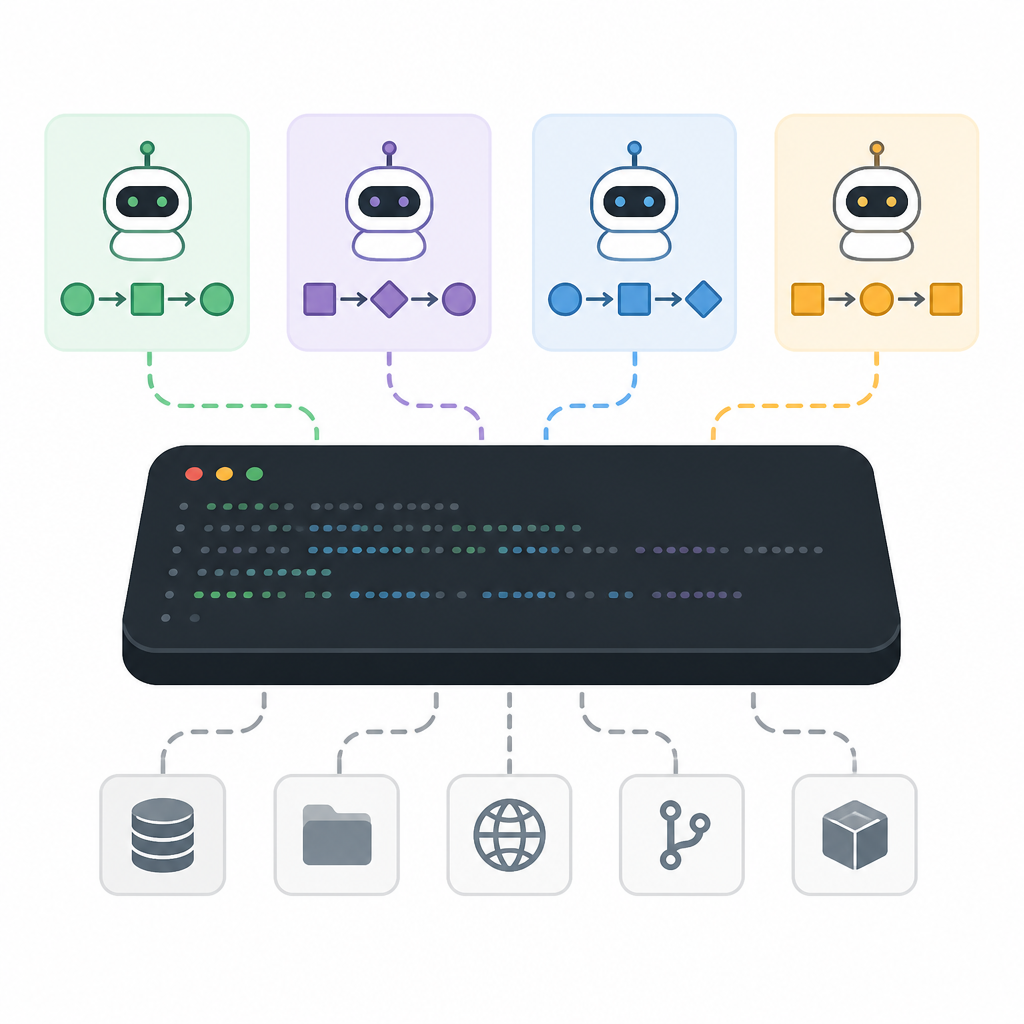
That objection is fair, but it misses the signal hidden inside the noise. The breadth of the ecosystem is itself the evidence. Multiple independent teams are choosing the same terminal core for native apps, embedded surfaces, and agent consoles because it solves the hard parts they do not want to rebuild. Even if half the projects stall, the concentration of serious use cases around one engine shows that libghostty has crossed the threshold from interesting library to shared foundation.
What to do with this
If you are an engineer, treat libghostty as a serious default when you need terminal rendering, embedded shells, or agent workspaces, not as a novelty dependency. If you are a PM or founder, build around the workflows the ecosystem is already proving out: parallel agents, persistent sessions, worktree navigation, and native UX on the platforms developers use all day. The opportunity is not to invent a terminal from scratch. It is to own the workflow layer on top of a terminal substrate that is already winning.
// Related Articles
- [TOOLS]
Baidu Wenxin turns search into a free agent
- [TOOLS]
OpenCode now supports DeepSeek, GLM, Qwen, GPT
- [TOOLS]
DeepSeek in Codex Will Cut AI Coding Costs Hard
- [TOOLS]
Token vs. word: why Chinese tokenization still matters
- [TOOLS]
OpenAI API Pricing Hits $0.05 to $180/M Tokens
- [TOOLS]
Usage limits belong in ChatGPT Enterprise and Edu controls