15 LLMs on 38 tasks show routing beats one-model bets
15 models on 38 real tasks show when to route to Sonnet, Flash, MiniMax, or a free local model.

Which LLM should you use for real work in 2026?
This benchmark compares 15 models on 38 real tasks to show which ones are worth routing to.
| Item | Quality | Pass rate | Median time | Total cost |
|---|---|---|---|---|
| Claude Sonnet 4.6 | 100% | 38/38 | 4.6s | $0.20 |
| Claude Opus 4.6 | 100% | 38/38 | 4.1s | $0.69 |
| MiniMax M2.5 | 98.6% | 38/38 | 15.9s | $0.07 |
| Gemini 2.5 Flash | 97.1% | 35/38 | 1.1s | $0.003 |
| GPT-oss-20b | 98.3% | 37/38 | 4.1s | $0.00 |
1. Claude Sonnet 4.6
Get the latest AI news in your inbox
Weekly picks of model releases, tools, and deep dives — no spam, unsubscribe anytime.
No spam. Unsubscribe at any time.
Claude Sonnet 4.6 is the cleanest all-around pick in the set: 100% pass rate, 4.6-second median time, and $0.20 total cost across the benchmark. It hit the ceiling on this test suite without needing the highest spend.
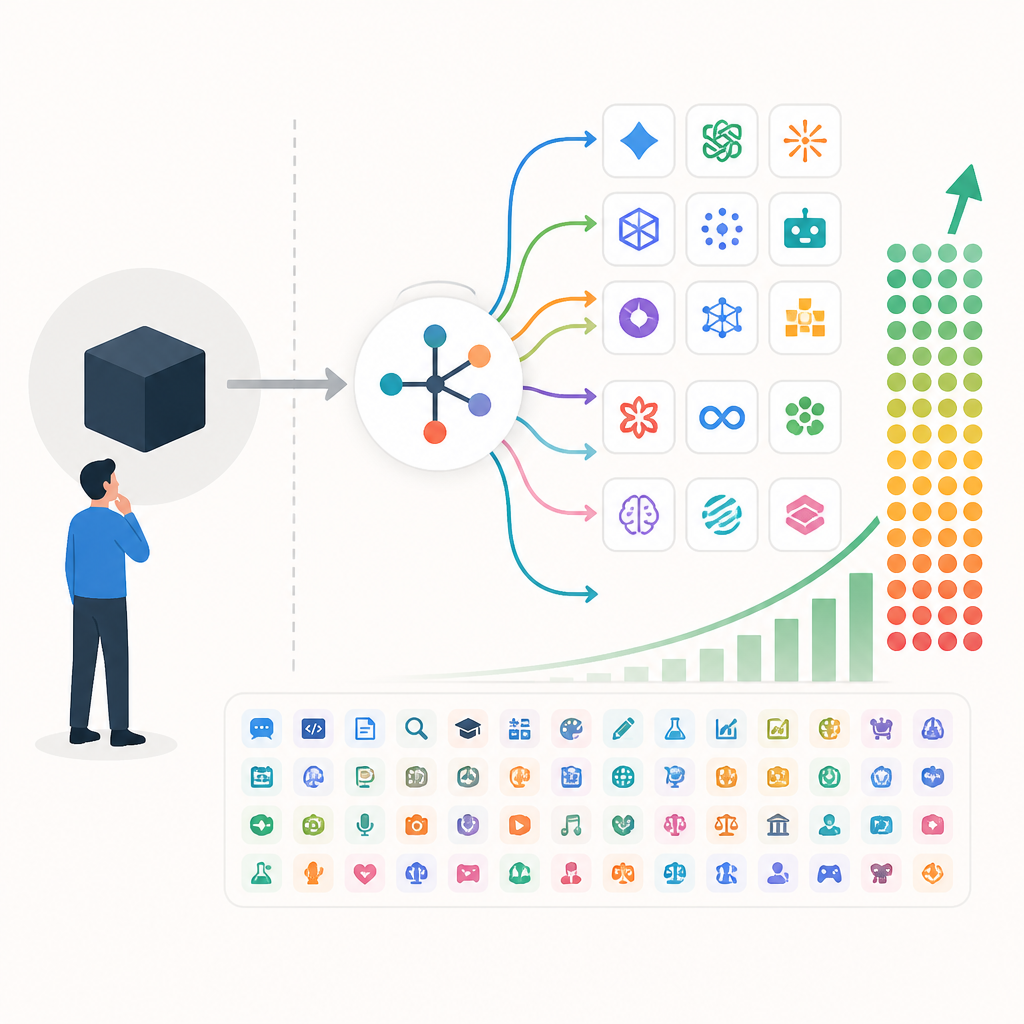
That combination matters because it shows you do not need to pay Opus pricing to get perfect results on these tasks. If your work mixes coding, extraction, and drafting, Sonnet is the safest default when you want one model to do most things well.
- 38/38 tasks passed
- 172.5/172.5 points
- 4.6s median response time
- $0.20 total benchmark cost
2. Claude Opus 4.6
Claude Opus 4.6 matched Sonnet on accuracy, but cost 3.5x more at $0.69 total. The benchmark does not show a quality edge that justifies the extra spend for these tasks.
That makes Opus a specialist choice, not the first model to reach for. If you already know a task is hard, or if you want the extra margin for sensitive reasoning, Opus is still a strong option. But on this evidence, it is not the value winner.
- 38/38 tasks passed
- 4.1s median response time
- Same accuracy as Sonnet
- Highest cost among the top two
3. MiniMax M2.5
MiniMax M2.5 is the format compliance pick. It scored 98.6% with a 100% pass rate and returned bare JSON on most tasks, which makes it unusually good for automation.
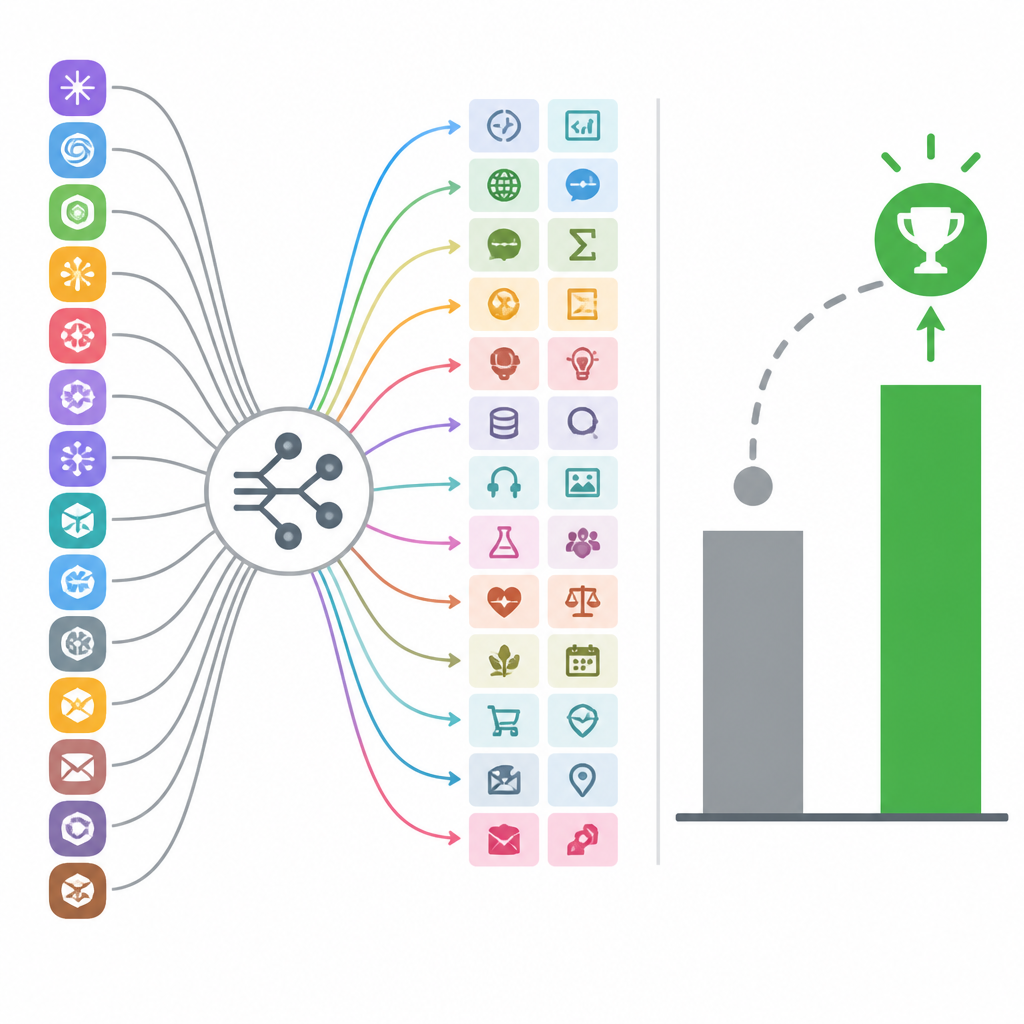
The practical value here is not just accuracy, it is output discipline. Many models add wrapper text or markdown that breaks parsers; MiniMax mostly does not. If your pipeline depends on strict structure, this model deserves a close look.
- 98.6% quality
- 38/38 pass rate
- $0.07 total cost
- 23 of 38 outputs were JSON-only
4. Gemini 2.5 Flash
Gemini 2.5 Flash defines the low-cost, low-latency end of the chart: 1.1-second median time and just $0.003 total cost. It still reached 97.1% quality, which is enough for a lot of batch and extraction work.
This is the model to route to when speed and price matter more than squeezing out the last few points. It failed only on reasoning-adjacent tasks, which means it is a strong fit for data cleanup, transformation, and other predictable jobs.
- 97.1% quality
- 35/38 pass rate
- 1.1s median response time
- $0.003 total cost
5. GPT-oss-20b
GPT-oss-20b is the free surprise. It scored 98.3% with a 97% pass rate while running locally, which puts it ahead of Haiku, R1, and GPT-5-Nano in this benchmark.
That matters if you care about on-prem use or cost control. Free does not mean toy here, and the result shows that a local model can be good enough for real production work when the task is not deeply reasoning-heavy.
- 98.3% quality
- 37/38 pass rate
- $0.00 total cost
- Runs locally on-prem
How to decide
If you want one model for most work, pick Sonnet. If you need the best structured-output behavior, MiniMax M2.5 is the one to test first. If you need the cheapest fast path for routine jobs, Gemini Flash is hard to beat. If your priority is zero marginal cost and local control, GPT-oss-20b is the standout.
The deeper lesson is routing, not loyalty. This benchmark suggests most teams should send easy tasks to cheaper models and reserve the expensive ones for reasoning-heavy work, where the quality gap is real.
// Related Articles
- [IND]
AGI in 2026: 5 facts that cut through the noise
- [IND]
$215,000 from OpenAI staff backs anti-AI PAC
- [IND]
Open source agent stacks split into seven layers in 2026
- [IND]
Kimi K3 turns model hype into harness work
- [IND]
Friends Season 7, Episode 12 Is Still a Perfect Sitcom Machine
- [IND]
OpenAI should pay more for bio jailbreaks, not less