MCP Servers for Developers: 8 workflow gains in 2026
StackGen says MCP servers connect AI agents to live infra, cutting context switching, speeding incident response, and reducing ticket-driven work.
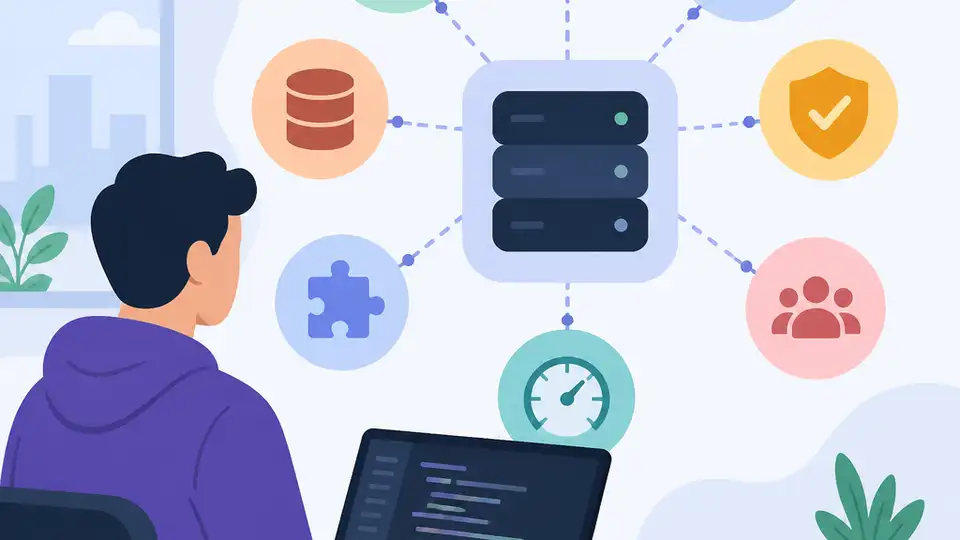
Developers still bounce between Terraform, kubectl, observability dashboards, and ticket queues when they need one answer. StackGen says MCP servers can pull those systems into a single AI workflow so teams act on live infra instead of stale guesses.
StackGen says MCP servers connect AI agents to live infrastructure data for faster developer and DevOps workflows.
What changed
Get the latest AI news in your inbox
Weekly picks of model releases, tools, and deep dives — no spam, unsubscribe anytime.
No spam. Unsubscribe at any time.
In a post dated Aug. 6, 2026, StackGen argues that the Model Context Protocol gives AI agents a common way to query external systems. Rather than pasting configs into chat, the agent can read real Terraform state, deployment history, logs, and policy rules through one interface.
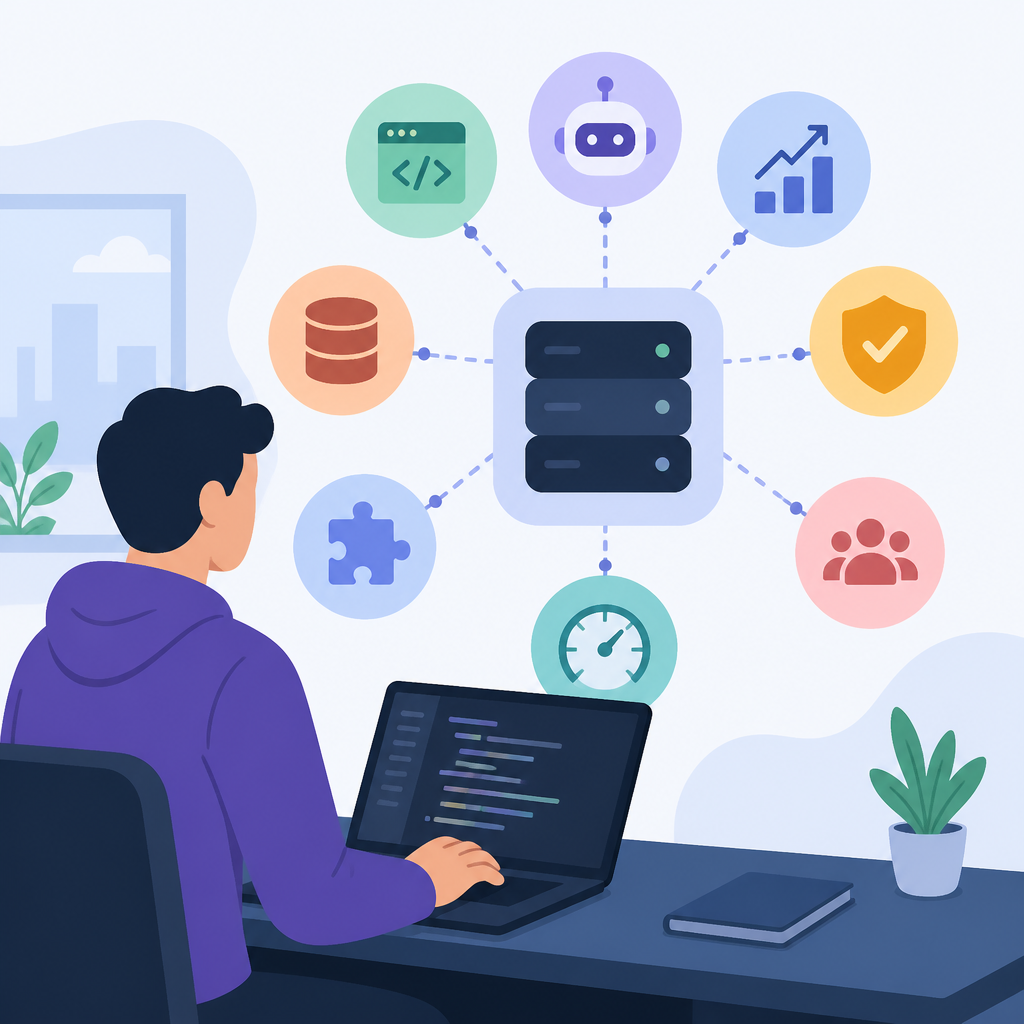
The company frames MCP as the bridge between code generation and operations. That matters because many teams have already hit the limit of copilots: they help write code, but they do not know what is actually deployed, failing, or approved in production.
- Live context replaces static prompts and copied snippets.
- AI agents can query observability, IaC, and deployment tools directly.
- Teams can validate changes against policy-as-code before approval.
- Developers spend less time switching between dashboards, CLIs, and tickets.
- Incident triage can include deployment correlation and root-cause hints.
StackGen’s example workflow is specific: a developer asks for a PostgreSQL spec, region, and compliance tags in natural language, then the agent checks reference configs, generates a Terraform plan from approved modules, validates policy, and routes it for approval. The pitch is not just faster autocomplete; it is fewer handoffs between developer, platform, and ops teams.
Why it matters
For developers, the main payoff is less toil. If the AI can query the live environment, engineers do not need to manually reconstruct context from five tools before they can fix an issue or ship a change. That can shave hours off incident response and reduce the queue of small infrastructure requests that slow teams down.
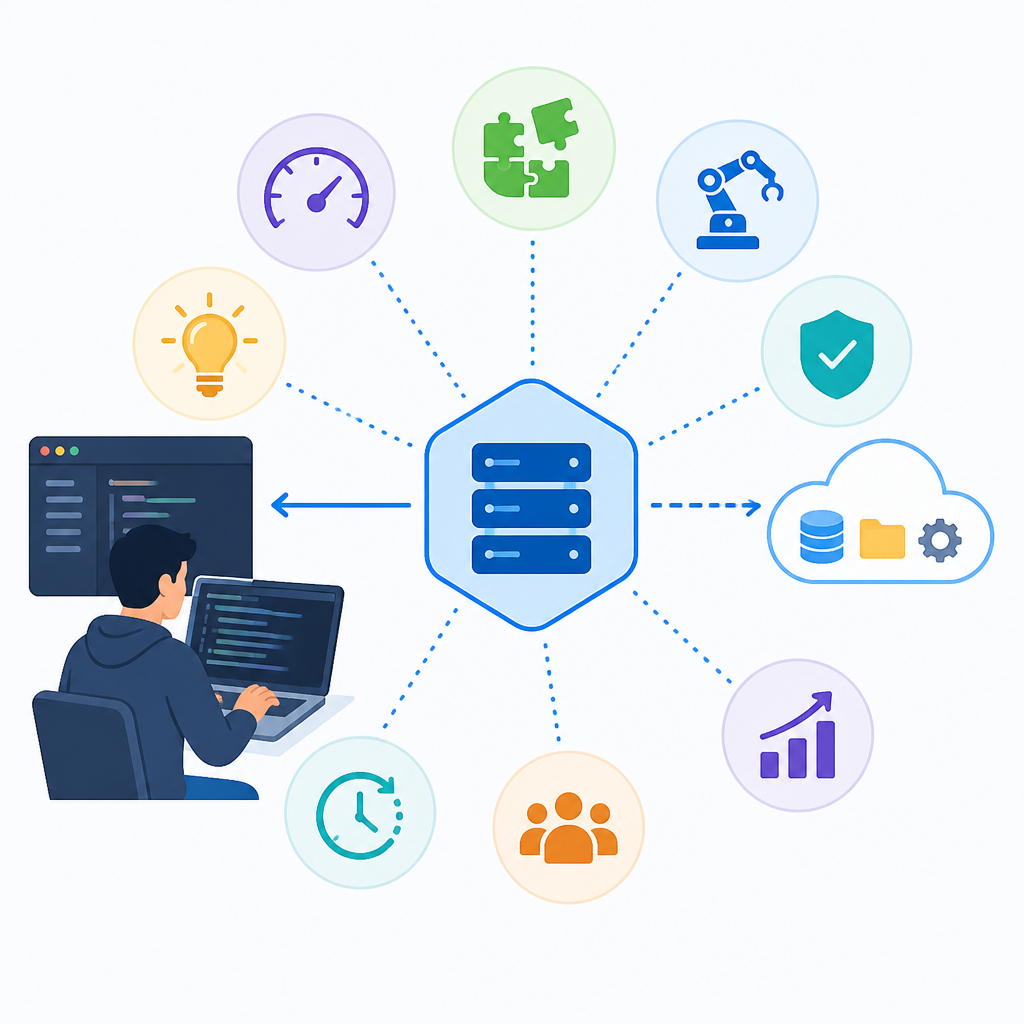
For platform and SRE teams, the market signal is bigger: AI is moving from text generation into operational control. StackGen cites examples from Coinbase and Snap to argue that AI-assisted RCA and incident management can cut analysis time and MTTR, but only when the model has access to current system state. In other words, the value comes from connection, not just model quality.
That shift also changes how teams think about governance. If MCP-connected agents can draft infrastructure changes, validate them, and send them through the right workflow, the open question becomes who sets the guardrails and how much autonomy is safe in production.
The real test for MCP in 2026 is simple: can it turn AI from a helpful coder into a reliable operator without adding new risk?
// Related Articles
- [TOOLS]
Why benchmark scores don’t predict your bill
- [TOOLS]
Doubao turns a game prompt into a mini arcade
- [TOOLS]
Coding Plan turns Alibaba Cloud into IDE billing
- [TOOLS]
Baidu Wenxin turns search into a free agent
- [TOOLS]
OpenCode now supports DeepSeek, GLM, Qwen, GPT
- [TOOLS]
DeepSeek in Codex Will Cut AI Coding Costs Hard