OpenAlternative makes software replacement easier to compare
5 open-source alternatives from OpenAlternative that help teams replace proprietary software with clearer tradeoffs.

OpenAlternative helps teams compare open-source replacements for proprietary software in one place.
OpenAlternative is a curated GitHub list with more than 6.2K stars, and it is most useful when you want a faster shortlist than a general web search. This roundup pulls five practical categories from the repo so you can compare what to adopt, what to self-host, and what to keep on a vendor plan.
| Item | What it replaces | Notable signal |
|---|---|---|
| Cachet | Status pages | 15K stars |
| Checkmate | Infrastructure monitoring | 10K stars |
| Coroot | Observability | 7.8K stars |
| EasyMonitor | Uptime monitoring | MIT license, 40 stars |
| Elasticsearch | Search and analytics | Widely used upstream project |
1. Cachet for status pages
Get the latest AI news in your inbox
Weekly picks of model releases, tools, and deep dives — no spam, unsubscribe anytime.
No spam. Unsubscribe at any time.
OpenAlternative surfaces Cachet as the cleanest fit when you need a public-facing status page for outages, maintenance notices, and incident history. The appeal is simple: customers get a clear place to check service health, and your support team gets fewer repeated questions during incidents.
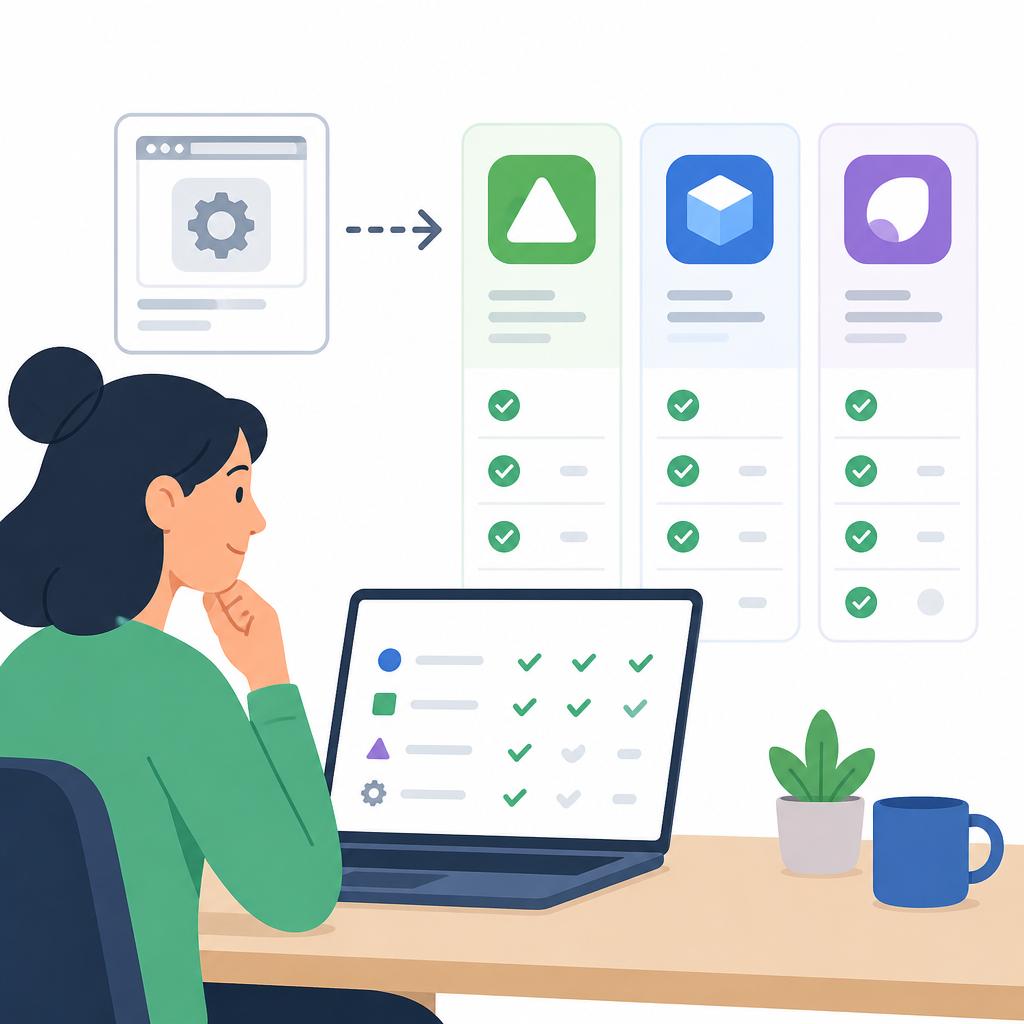
Cachet works best for teams that want transparency without buying a full incident-management suite. It is a good match for SaaS products, internal platforms, and hosted services that need a branded uptime page.
- Use it for incident updates, component status, and maintenance windows.
- Pair it with your alerting stack so updates do not rely on manual reminders.
- Choose it when your main goal is communication, not deep observability.
2. Checkmate for modern infrastructure monitoring
Checkmate is the monitoring pick in this list for teams that want a friendlier interface than older enterprise tools. In OpenAlternative, it is positioned as open-source monitoring for modern infrastructure, which makes it a fit for teams that want to watch servers, services, and checks from one place.
It is most attractive when you want a monitoring setup that is easier to adopt than legacy IT platforms. If you manage mixed environments, Checkmate gives you a single place to track health without forcing a vendor contract.
- Good for uptime checks, service checks, and infrastructure alerts.
- Useful when you need a self-hosted monitoring console.
- Fits teams that prefer a modern UI over dense admin screens.
3. Checkmk for full IT coverage
Checkmk is the most enterprise-leaning option in this group. OpenAlternative describes it as complete IT infrastructure monitoring made simple, which is a strong signal for organizations that need broad coverage across hosts, networks, applications, and services.
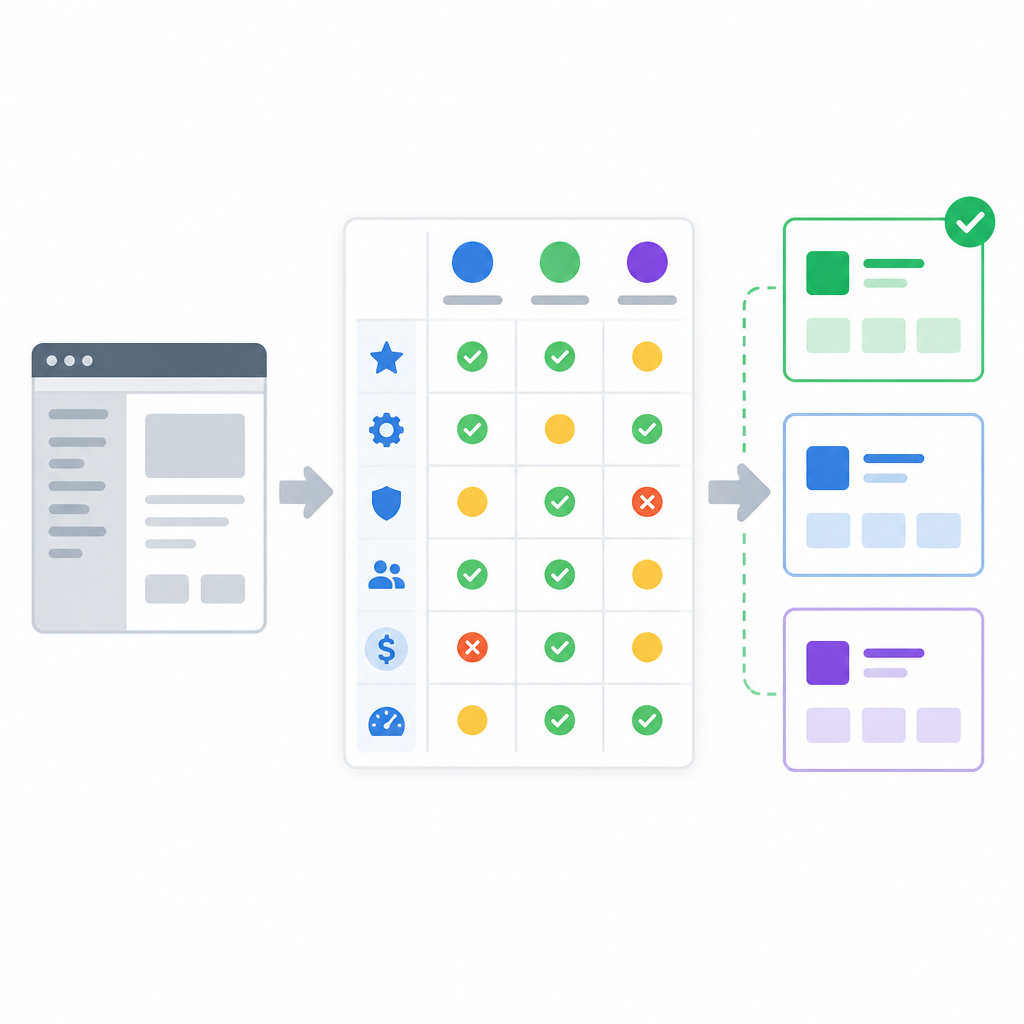
Compared with lighter tools, Checkmk makes more sense when the environment is large and the monitoring problem is messy. If your team already has many systems to watch, the value is consolidation rather than novelty.
- Best for teams with many hosts and dependencies.
- Useful when you want one monitoring system for several layers.
- Good fit for ops teams that care about long-term maintainability.
4. Coroot for observability without code changes
Coroot is the observability option for teams that do not want to instrument every service by hand. OpenAlternative highlights its promise clearly: full-stack observability without code changes. That matters when you need visibility fast and do not want to spend a sprint wiring telemetry into every app.
Coroot is especially relevant for platform teams and SREs who want service maps, traces, and infrastructure context without a heavy setup process. It is a strong choice when you are trying to understand what is happening before you redesign your telemetry stack.
- Useful for tracing service behavior across a stack.
- Good when you want observability with minimal app edits.
- Fits teams that need faster diagnosis during incidents.
5. Elasticsearch for search and indexing
Elasticsearch is the broadest project in the list, and OpenAlternative includes it as the open-source route for search and analytics. If your proprietary tool is really about finding, filtering, and analyzing large volumes of text or event data, Elasticsearch is often the reference point.
It is not the lightest choice, but it is one of the most proven. Teams choose it when search quality, indexing speed, and ecosystem maturity matter more than minimal setup.
- Best for document search, log search, and analytics pipelines.
- Useful when you need a mature indexing engine.
- Often paired with dashboards, log tools, and application search.
What to pick
If your main pain is customer communication, start with Cachet. If you need day-to-day operational visibility, Checkmate is the lighter monitoring path, while Checkmk fits bigger IT estates. Coroot is the best fit when you want observability with less instrumentation work. Elasticsearch belongs in the shortlist when your proprietary tool is really a search or indexing engine.
The practical way to decide is to match the tool to the job you need solved this quarter, not the stack you hope to build later. OpenAlternative is strongest when you already know the category and want a trustworthy open-source substitute fast.
// Related Articles
- [IND]
Claude’s security test became a real breach
- [IND]
X posts let execs shape the AI story
- [IND]
Jensen Huang’s AGI definition lowers the bar
- [IND]
Claude’s 2026 limit changes are a capacity story, not a product story
- [IND]
SSI's $5 Billion Backing Proves AI Safety Is a Product Strategy
- [IND]
A rogue AI agent slipped into a real cyberattack