SEC Moves to Scrap Rule 611 for Tokenized Stocks
The SEC’s bid to rescind Rule 611 could clear the biggest legal obstacle for tokenized U.S. stocks on DeFi rails.

The SEC’s move to rescind Rule 611 could clear the biggest legal obstacle for tokenized U.S. stocks on DeFi rails.
The SEC proposed on June 11 to rescind Rule 611 and Rule 610(e), opening a 60-day comment window on a rule set that has shaped U.S. stock routing since 2005. For tokenized equities, that matters because the current rules clash with how automated market makers price trades.
Galaxy Digital’s research chief Alex Thorn said the proposal is “one of the biggest unlocks yet for tokenized stocks,” and the agency framed the change as a way to let competition and innovation shape equity markets. If it survives comments and a final vote, the rescission could remove the legal block that has kept DeFi-style stock pools on the sidelines.
| Item | Value | Why it matters |
|---|---|---|
| Rule 611 adoption | 2005 | Created the trade-through ban inside Regulation NMS |
| SEC comment period | 60 days | Public feedback window before a final rule |
| Project Crypto launch | August 2025 | SEC initiative tied to digital asset market modernization |
| Expected final vote | Q1 2027 | TD Cowen’s timeline for a completed rescission process |
Rule 611 is the old guard of U.S. market structure
Get the latest AI news in your inbox
Weekly picks of model releases, tools, and deep dives — no spam, unsubscribe anytime.
No spam. Unsubscribe at any time.
Rule 611, also called the Order Protection Rule, was adopted as part of Regulation NMS to stop trades from executing at worse prices than the best protected quote on another exchange. In plain English, it forces stock routing to respect the National Best Bid and Offer, or NBBO, across registered venues.
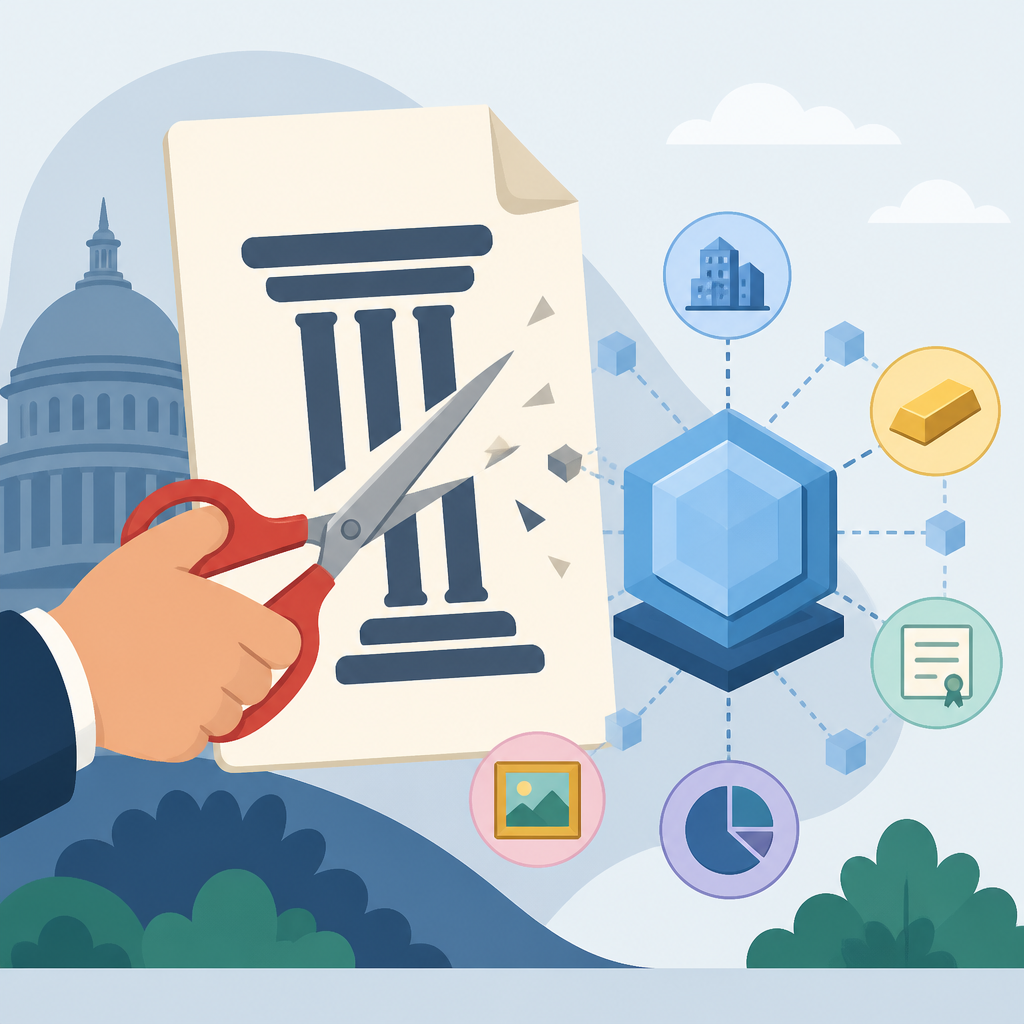
That design made sense for fragmented equity markets in the mid-2000s. It is a bad fit for tokenized stocks that trade through smart contracts and liquidity pools instead of traditional exchange books.
A DeFi automated market maker does not route every order to the NBBO. It prices against the pool at the moment of execution, using a formula, which means a tokenized stock AMM would trigger trade-through violations constantly under the current rule set.
- Rule 611 bans trade-throughs across registered exchanges.
- Rule 610(e) bans locked and crossed quotations.
- AMMs cannot pause execution to check every outside quote in real time.
- That makes compliance with today’s framework nearly impossible for on-chain equity pools.
Why the SEC’s replacement matters
The SEC is not replacing the rule with a free-for-all. Its proposal points toward a principles-based best execution standard at the broker-dealer level, which moves the compliance burden from each atomic trade to the broker’s overall duty to clients.
That is a much better fit for tokenized assets. A broker connecting customers to a DeFi pool could show that its policies are reasonably designed to achieve best execution without needing to prove NBBO compliance on every single swap.
“After 2 decades of Rule 611, it is high time that the SEC review its unintended consequences that have hindered the long-term growth of our markets,” Paul Atkins said on June 11, 2026.
Commissioner Hester Peirce backed the proposal too, arguing that the old Order Protection Rule “helped fuel disorder” by encouraging exchange proliferation while suppressing innovation. Whether you agree with that framing or not, the SEC is clearly signaling that market structure built for 2005 does not fit 2026 tokenization.
The practical effect is simple: if the rescission becomes final, tokenized U.S. stocks can move from a legal gray zone into a framework that regulators can actually supervise.
The real market is already preparing for tokenized equities
This is not a theoretical debate. Robinhood and Kraken have both been developing tokenized stock capabilities, while RWA.xyz tracks the broader real-world asset push that includes on-chain versions of traditional financial instruments.
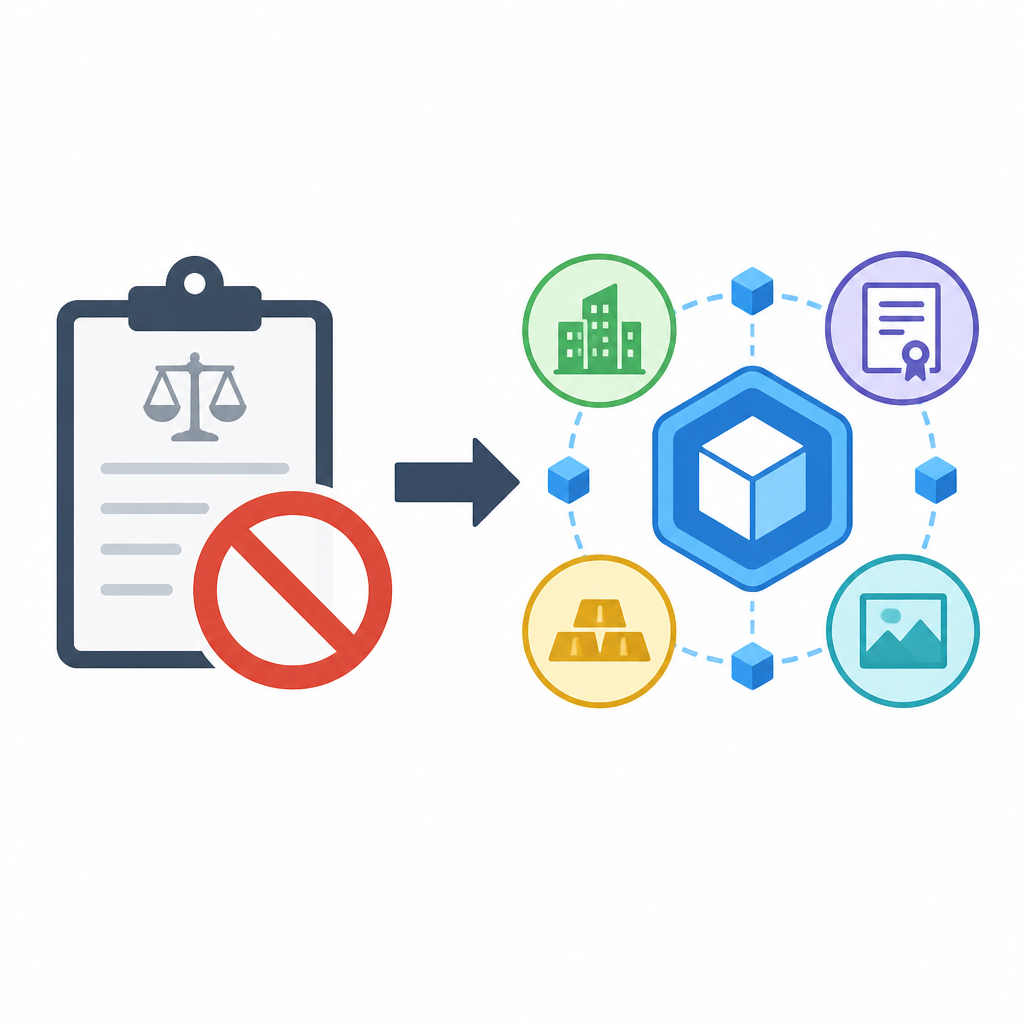
The SEC had also reportedly prepared a separate innovation exemption for authentic tokenized U.S. equities backed 1:1 by underlying shares at a qualified custodian. That exemption was delayed after traditional exchange officials raised execution concerns, and Rule 611 was the main reason the plan was hard to defend.
- Citi, DTCC, and prime brokers are building on-chain settlement rails.
- Japan has moved to classify crypto assets as financial instruments.
- TD Cowen’s Washington Research Group expects a final SEC vote by Q1 2027.
- The SEC’s own Project Crypto began in August 2025.
That mix matters because tokenization is no longer waiting on a product demo. It is waiting on a rulebook that lets it connect to U.S. equity markets without tripping over legacy trade-through logic.
The pressure is also international. If Washington slows down while Tokyo and private-market infrastructure keep moving, capital and product development will keep drifting toward the jurisdictions that make on-chain settlement easier to launch.
What happens next for tokenized U.S. stocks
The SEC’s proposal opens a comment period, then a longer path toward a final vote. That means tokenized stocks are not suddenly legal everywhere, but the direction is now clear: the agency is treating the current rule as a relic rather than a sacred guardrail.
If the rescission sticks, the biggest beneficiaries will be platforms that can combine broker-dealer compliance with on-chain execution. That would give tokenized U.S. stocks a realistic path from niche crypto product to regulated market plumbing.
The sharper question is whether the SEC moves fast enough for the market it is trying to regulate. If Project Crypto keeps advancing and the rescission lands in 2027, tokenized equities could become one of the first serious tests of whether U.S. regulators are ready to let public markets settle on-chain without forcing them into 2005-era rules.
// Related Articles
- [CHAIN]
Solana’s institutional push is getting louder
- [CHAIN]
Layer 2 Is Ethereum’s Real Product, Not a Detour
- [CHAIN]
Ethereum’s price should be read as network demand, not just speculati…
- [CHAIN]
Ethereum’s shake-up turns ETH into a cleaner bet
- [CHAIN]
Bitcoin’s price page explains the market in one view
- [CHAIN]
Web3 Banking Guide for Fintech Teams