Tether’s TurboQuant cuts AI memory use 5x
Tether released TurboQuant in QVAC SDK 0.12.0, claiming up to 5x lower AI memory use for local sessions on laptops and phones.

Tether released TurboQuant in QVAC SDK 0.12.0 to cut AI memory use by up to 5x.
Tether’s Artificial Intelligence Research Group has released TurboQuant in production form, bundling it into Tether’s QVAC SDK 0.12.0. The company says the open-source method, originally developed by Google Research, can reduce KV cache memory demands by up to five times for local AI workloads.
| 項目 | 數值 |
|---|---|
| Memory reduction claim | Up to 5x |
| SDK version | QVAC SDK 0.12.0 |
| Model example | 4 billion parameters |
| Context window example | 262,000 tokens |
| KV cache memory example | About 8 GB |
| Four simultaneous sessions | About 32 GB |
What changed
Get the latest AI news in your inbox
Weekly picks of model releases, tools, and deep dives — no spam, unsubscribe anytime.
No spam. Unsubscribe at any time.
TurboQuant targets one of the main bottlenecks in on-device AI: memory pressure from the KV cache, which stores context during long conversations and document analysis. Tether says the new compression approach preserves model quality while shrinking memory use enough to make longer local sessions practical on consumer hardware.
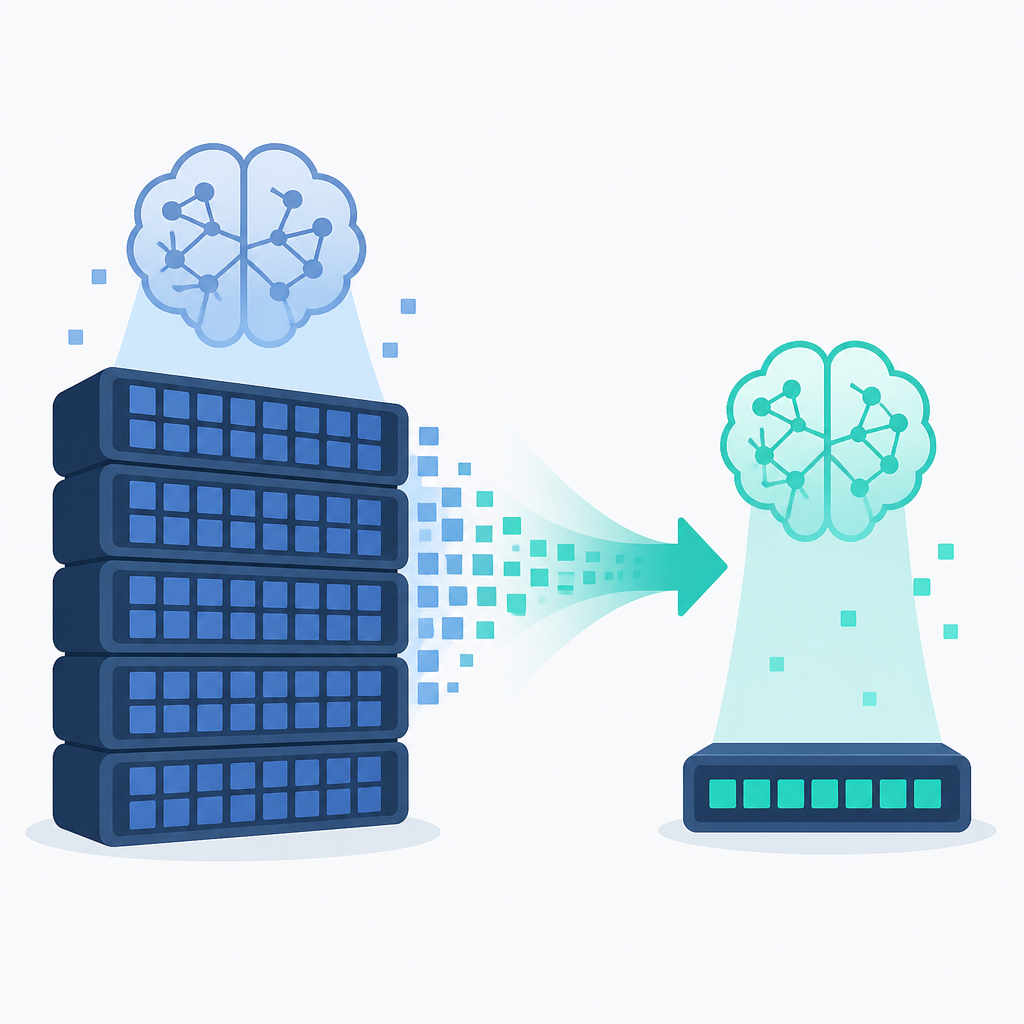
The update is integrated into QVAC SDK 0.12.0 and tied into Fabric, a core part of the QVAC stack. Tether says the SDK packages the libraries, tools, runtime components, quantization pipelines, framework adapters, documentation, and workload profiles developers need to build local AI apps.
- TurboQuant is now in production release.
- The code is open source and based on Google Research work.
- It is designed for laptops, smartphones, edge devices, and decentralized networks.
- Tether says it can help users inspect long documents without sending them to cloud servers.
Why it matters
For developers, the pitch is simpler deployment of local AI tools that can handle larger contexts without expensive cloud inference. That matters for startups and independent teams trying to ship assistants, document tools, or edge apps without tying every request to a remote data center.
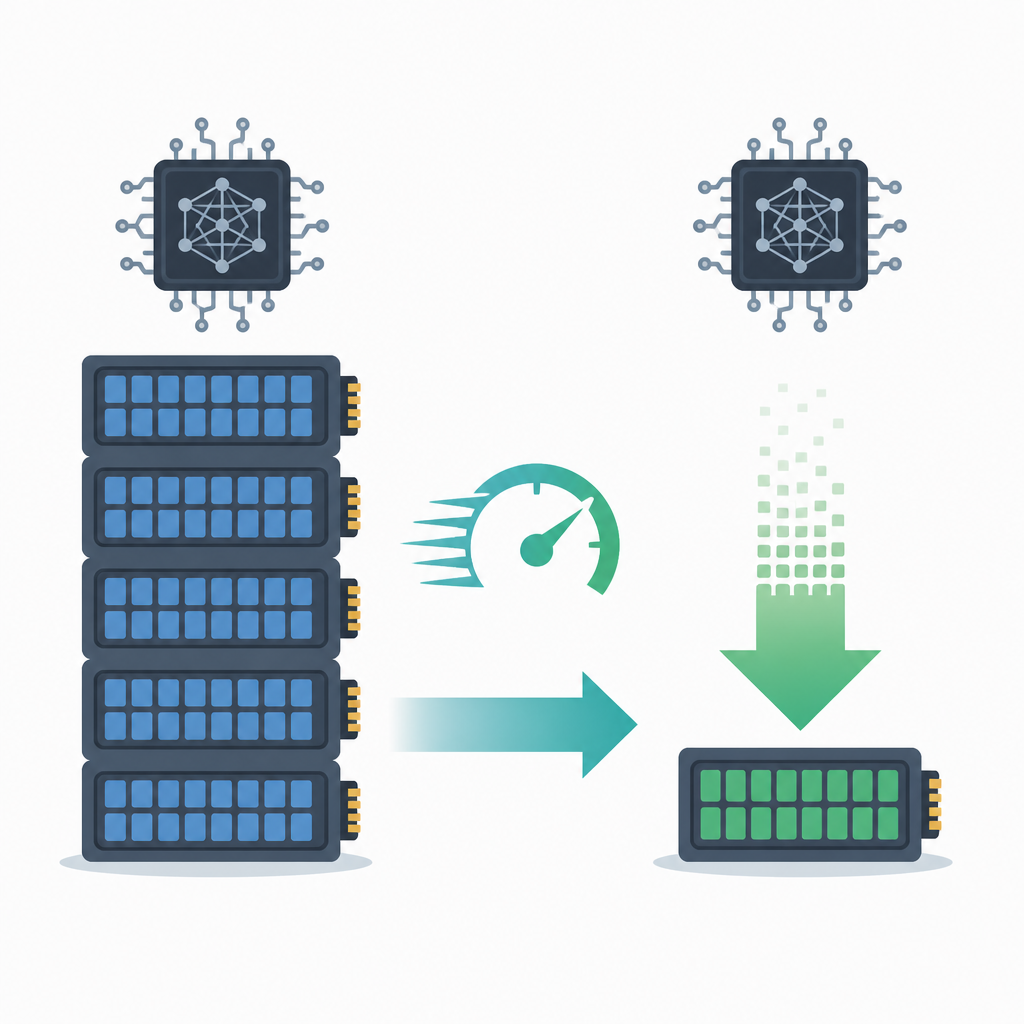
For users, Tether is framing the update around privacy and control. CEO Paolo Ardoino said people should be able to run long or sensitive tasks on their own devices instead of routing them through cloud infrastructure every time.
The release also pushes Tether further into AI software, not just stablecoins. The company’s bet is that efficiency and portability will matter as much as raw compute for the next wave of AI products.
The open question is whether TurboQuant becomes a useful local-AI building block or just another benchmark win that is hard to turn into real-world adoption.
// Related Articles
- [CHAIN]
10 prediction market builders that can ship Polymarket-style apps
- [CHAIN]
Solana’s July 10 updates point to real adoption
- [CHAIN]
BYDFi Brings Crypto Trading Pitch to Lima
- [CHAIN]
Crypto exchanges should show up in LATAM, not just advertise there
- [CHAIN]
UAE Web3 setup turns crypto rules into a checklist
- [CHAIN]
Five AI Futurist features shaping Futurist 2026