TikTok’s AI moderation push is cutting trust teams
TikTok is cutting about 300 Dublin jobs as AI now removes 97% of content taken down between January and April.

TikTok is cutting hundreds of trust and safety jobs while shifting more moderation work to AI.
TikTok says it is planning around 300 redundancies in Dublin as it expands automated moderation, and it says 97 per cent of removed content was taken down by automated systems between January and April.
| Item | Job cuts | Automation detail | Notable risk |
|---|---|---|---|
| TikTok Dublin trust and safety | About 300 | 97% of removed content automated Jan-Apr | Fewer human reviewers |
| TikTok AI removal timing | Not stated | 99% of AI-removed content before reports | Errors may slip through |
| London trust and safety exits | 400+ last year | Part of wider reorganisation | Scrutiny from MPs |
| UK under-16 social media plan | Not stated | Policy pressure on platforms | Safety enforcement burden |
1. Dublin job cuts
Get the latest AI news in your inbox
Weekly picks of model releases, tools, and deep dives — no spam, unsubscribe anytime.
No spam. Unsubscribe at any time.
TikTok told staff it expects to cut around 300 jobs in its trust and safety team in Ireland. The company framed the move as part of a reorganisation to make its global safety operation more scalable and agile.
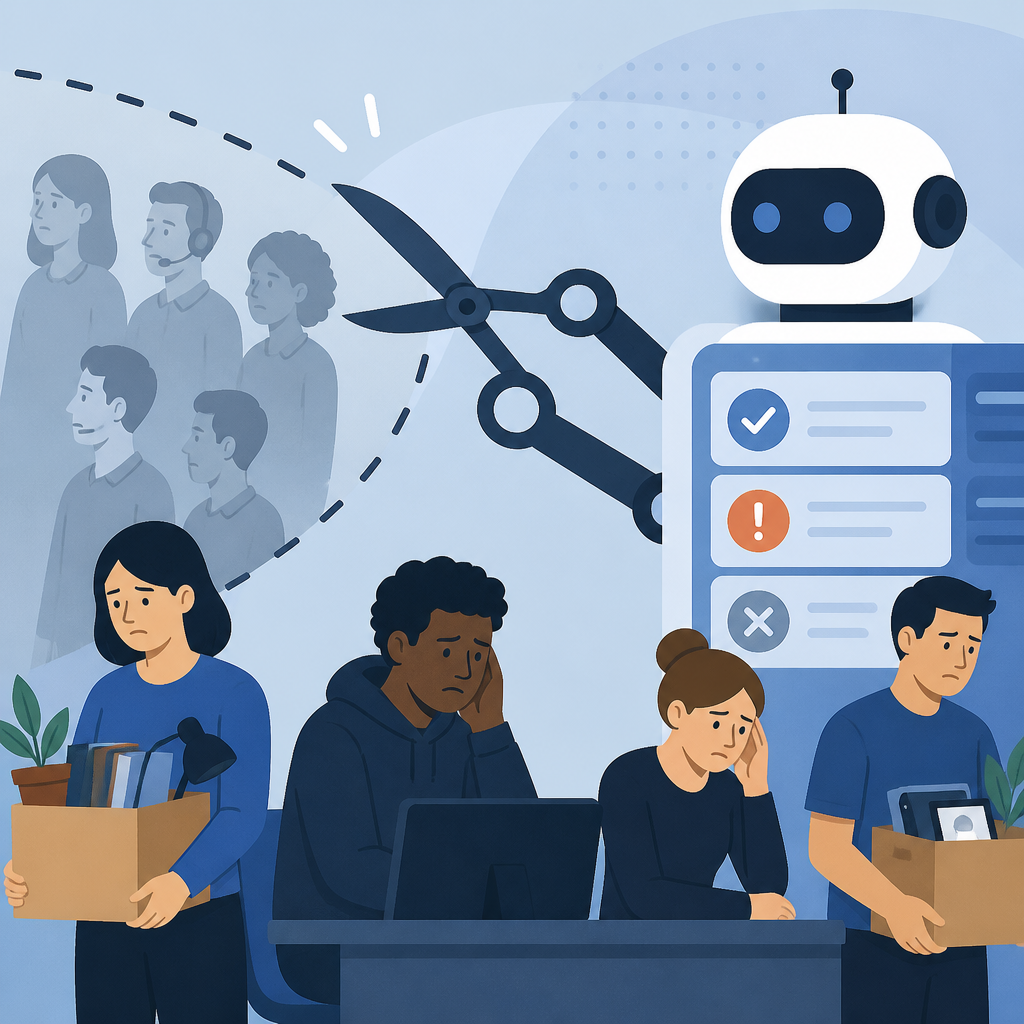
The Dublin cuts matter because the team handles harmful content across the platform, not just for one country. TikTok sorts videos for moderation by language, so changes in one hub can affect users in many markets.
- Location: Dublin
- Team: trust and safety
- Scale: about 300 roles
- Stated aim: reorganise global safety work
2. AI moderation at higher volume
TikTok said automated systems removed 97 per cent of content taken down between January and April this year. It also said 99 per cent of content removed by AI was taken down before anyone had reported it.
That is the clearest sign of where the company wants to go: more machine-led screening before human review. The pitch is speed and scale, but the tradeoff is whether automated systems can catch context, slang, and coded abuse.
- 97% of removed content automated
- 99% of AI-removed content pre-report
- Time window: January to April
- Goal: faster detection
3. Moderator concerns about false positives
Current and former moderators have said AI is not ready to replace their work at scale. One employee said the system gets things wrong “all the time,” especially when it tries to identify weapons, blood, or rule-breaking language hidden in emojis.

Those examples show why human reviewers still matter. A hand gesture can be flagged as a gun, a stain can be mistaken for blood, and coded chat can evade filters. Automated tools can be fast, but they can also be blunt.
- Gun detection can misread hand shapes
- Blood detection can flag wall stains
- Emoji-based coded speech can bypass filters
- Human review still catches context
4. Political and regulatory pressure
The cuts arrive while lawmakers are pressing platforms harder on child safety and harmful content. Dame Chi Onwurah warned that staffing reductions at TikTok pose a “real risk” to users, and Sir Keir Starmer has said under-16s will be banned from social media from spring 2027.
That pressure raises the stakes for any shift toward automation. If platforms rely more on AI, they will need to prove it can keep up with abuse, deepfakes, and other harms that move quickly across apps and languages.
5. What TikTok says it is building instead
TikTok says the reorganisation includes new specialist roles in Dublin and redeployment options for some staff. In other words, the company is not only cutting jobs, it is also changing the mix of work it wants people to do.
The company’s line is that it is advancing platform safety through new technology while keeping teams “scalable and agile.” The practical question is whether a smaller human layer can still catch the problems that automation misses.
How to decide
If you want the simplest read, focus on the Dublin cuts and the 97 per cent automation figure. Those two numbers show the direction of travel: fewer moderators, more machine screening, and a bigger bet that AI can do the first pass faster than people.
If your priority is user safety, the moderator warnings matter just as much. They suggest the next phase will not be about whether AI helps at all, but about how much trust a platform can place in it before errors start shaping what stays online.
// Related Articles
- [IND]
Polonius Alpha changes Rust borrow checking now
- [IND]
Anthropic’s Q2 revenue tops $11.5 billion
- [IND]
Rust’s best work this week is less about agents and more about simple…
- [IND]
Anthropic’s IPO Rumor Meets Investor Fatigue
- [IND]
Grok 4.6 makes frontier AI cheaper for builders
- [IND]
Grok 4.6 matches top models as SpaceX eyes worker data