Web3’s promise and limits in 5 clear claims
5 clear claims explain what Web3 is, why it drew $27 billion in 2021, and where its limits show up.

Web3 is a blockchain-based web idea that promises more decentralization but faces major limits.
Web3 is often pitched as the next version of the internet, but the real story is narrower: it mixes blockchain, tokens, privacy tools, and decentralized apps, then runs into hard questions about scale, control, and regulation.
| Item | Core idea | Main concern |
|---|---|---|
| Web3 | Blockchain-based web | Decentralization is uneven |
| Semantic Web | Linked data web | Often confused with Web3 |
| DAOs | Community governance | Governance and power concentration |
| DeFi | Blockchain finance | Risk, regulation, and usability |
1. Web3 as the blockchain version of the web
Get the latest AI news in your inbox
Weekly picks of model releases, tools, and deep dives — no spam, unsubscribe anytime.
No spam. Unsubscribe at any time.
At its core, Web3 is the idea of a new web built on public blockchains. Wikipedia describes it as an internet that incorporates decentralization, blockchain technologies, tokenomics, and privacy-enhancing tools. The term was popularized in a blockchain context by Ethereum co-founder Gavin Wood in 2014.
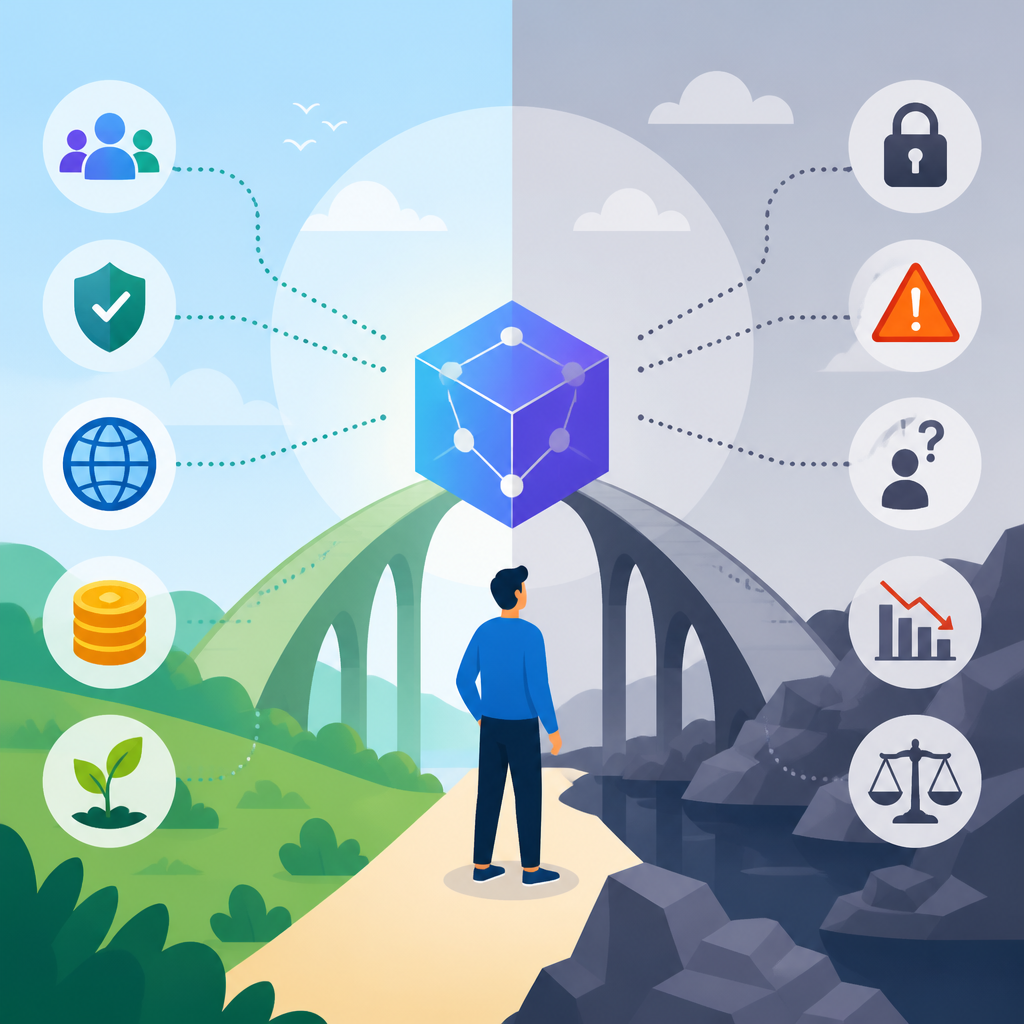
That definition matters because Web3 is not one single product. It is a bundle of ideas that includes smart contracts, cryptocurrencies, NFTs, and peer-to-peer networks. In practice, that makes it more of a loose label than a fixed technical standard.
- Blockchain-based ownership and transfer
- Smart contracts for automated rules
- Tokens used inside apps and networks
- Privacy tools meant to reduce platform tracking
2. Decentralization is the headline promise
Supporters present Web3 as a response to Web 2.0, where a few large companies control user-generated content and platform rules. The appeal is simple: if users hold assets and identities through blockchains, they may depend less on one company’s server, database, or policy team.
That promise is real enough to attract builders and investors, but critics say many Web3 systems are less decentralized than advertised. Control can still sit with exchanges, API providers, wallet companies, and token holders with outsized influence.
- Goal: shift control away from a few platform owners
- Claim: users can own more of their data and assets
- Risk: new chokepoints can replace old ones
- Trade-off: more user control can mean more complexity
3. Web3 is often mixed up with the Semantic Web
One of the biggest sources of confusion is the label itself. Web3 is sometimes used interchangeably with “Web 3.0,” but Tim Berners-Lee’s Semantic Web was a different concept focused on linked data. That older idea was about machines understanding relationships between documents, not blockchain ownership.
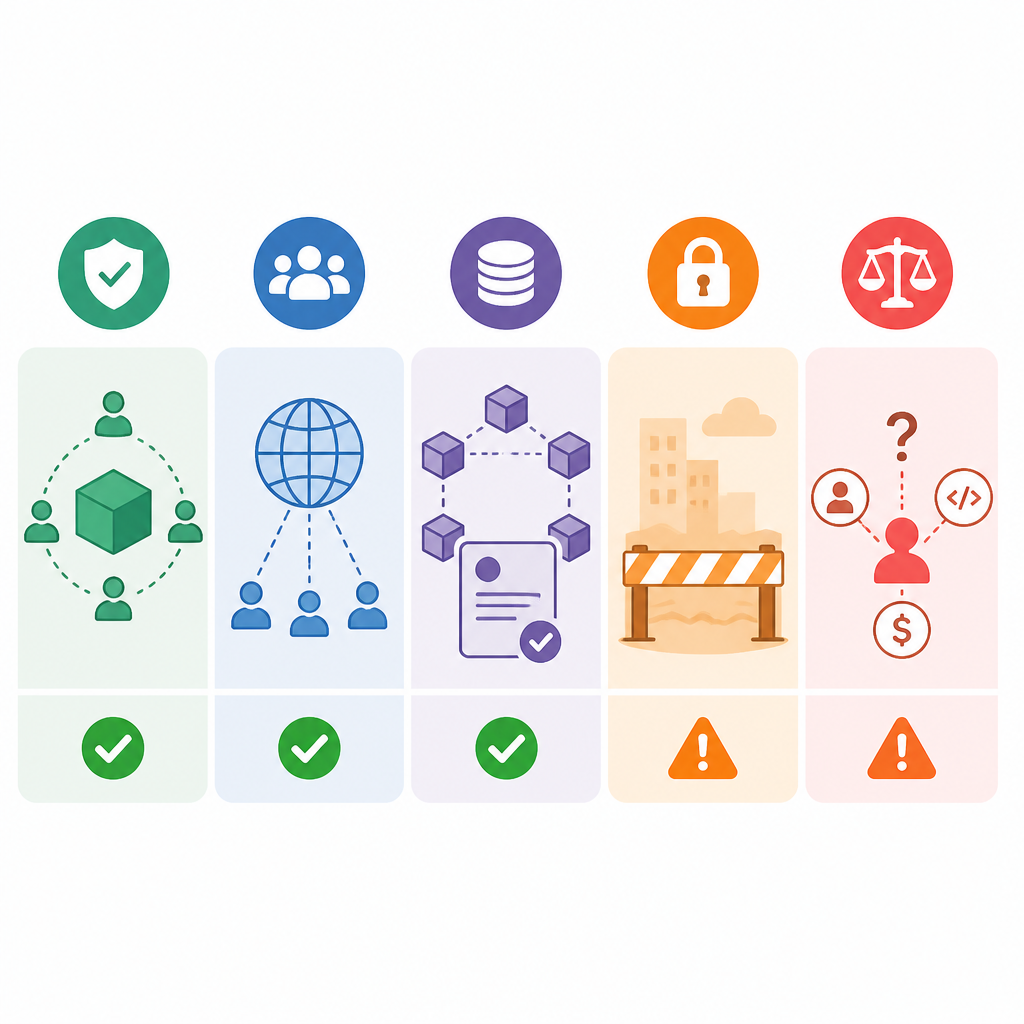
So when people say Web3, they may mean either a decentralized blockchain internet or a data-rich semantic web. The Wikipedia entry treats those as separate ideas, even though the names overlap in public discussion.
Semantic Web = linked data and machine-readable meaning
Web3 = blockchain-based decentralization and token systems
4. The use cases are real, but still narrow
Web3 gained major attention in 2021, and The New York Times and Fortune reported that $27 billion had been invested in blockchain projects tied to the concept. Some big tech firms and platforms experimented with it, and venture capital firms pushed it as a possible answer to internet regulation and platform control.
Even so, skeptics argue that the practical use cases remain limited. Olga Kharif described Web3 as still far from proving value beyond niche applications, many of them aimed at crypto traders. That is a useful reality check for anyone expecting a full replacement for today’s web.
- NFT marketplaces and digital collectibles
- Crypto wallets and token-based communities
- Decentralized finance platforms
- DAO-style governance experiments
5. The biggest criticism is not technical, it is social
Web3 debates are not only about code. Critics worry that a decentralized web could make cybercrime, harassment, hate speech, and illegal content harder to police. Others argue the model can concentrate wealth in the hands of early investors and insiders, while also increasing data collection and privacy risks.
There is also a broader skepticism that Web3 is mainly a marketing term for the blockchain economy. Elon Musk, Jack Dorsey, and other high-profile figures have dismissed it in those terms, while legal scholars and policy experts have warned that regulation and accountability become harder when systems are spread across many actors.
- Harder moderation and law enforcement
- Possible wealth concentration among insiders
- Privacy risks from expanded data collection
- Environmental costs from crypto and blockchain use
How to decide
If you want a simple way to think about Web3, treat it as a bet on blockchain-based ownership and governance, not as a settled upgrade to the internet. It may fit teams building tokens, DAOs, or crypto-native products, but it is a poor fit if you need low complexity, clear regulation, or broad mainstream adoption today.
If your priority is conceptual clarity, separate Web3 from the Semantic Web. If your priority is product planning, look past the label and ask whether decentralization, token incentives, and on-chain control actually solve your problem better than a standard web app.
// Related Articles
- [CHAIN]
Layer 2 Is Ethereum’s Real Product, Not a Detour
- [CHAIN]
Ethereum’s price should be read as network demand, not just speculati…
- [CHAIN]
Ethereum’s shake-up turns ETH into a cleaner bet
- [CHAIN]
Bitcoin’s price page explains the market in one view
- [CHAIN]
Web3 Banking Guide for Fintech Teams
- [CHAIN]
10 prediction market builders that can ship Polymarket-style apps