WebAssembly’s JVM shift is making Java more portable
5 ways WebAssembly is changing the JVM, from faster runtimes to safer native integration and broader deployment options.

How is WebAssembly changing the JVM on servers?
WebAssembly is moving into server-side Java to improve portability, safety, and runtime speed.
| Item | Main benefit | Notable detail |
|---|---|---|
| Chicory / Endive | Governance and stability | Moves under the Bytecode Alliance |
| Runtime JIT path | Performance | Shifts from interpreters to JIT compilation |
| Wasm 0.3 | Language support | Adds WasmGC and multi-memory |
| WASI P2 / P3 | System integration | P3 brings the Component Model |
| Server-side use cases | Portability | Runs at the edge and inside JVM apps |
1. Endive gives Chicory a steadier home
Get the latest AI news in your inbox
Weekly picks of model releases, tools, and deep dives — no spam, unsubscribe anytime.
No spam. Unsubscribe at any time.
One of the biggest signals in this story is the rename and transition of Chicory to Endive under the Bytecode Alliance. That matters because the project is not just changing labels; it is moving toward foundation-governed development, which can help with neutrality, long-term maintenance, and trust for teams that want to build on top of it.
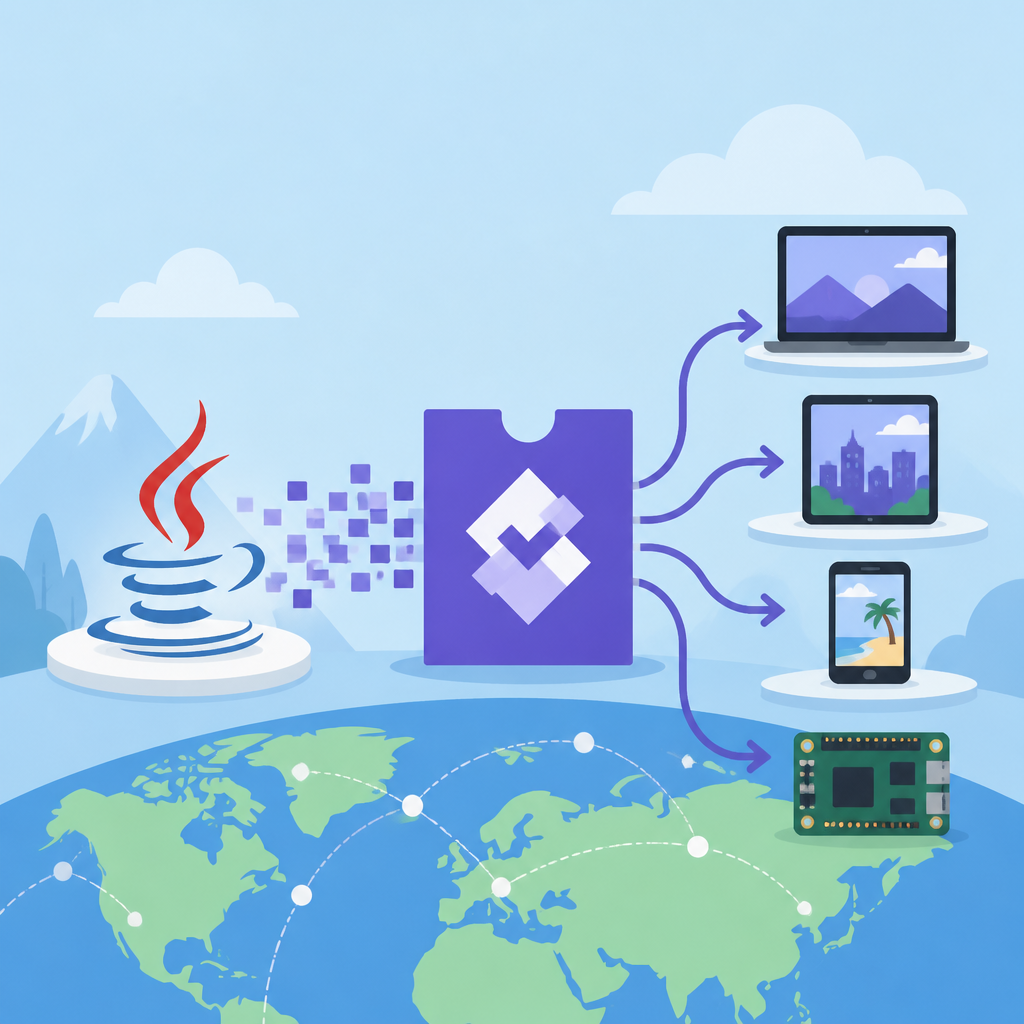
For Java shops, governance is not an abstract concern. If a runtime is going to sit between application code and a new execution model, teams want predictable stewardship and a clear path for updates. Endive aims to provide that, especially for organizations that care about open governance more than vendor control.
- Project: Chicory to Endive
- Governance: Bytecode Alliance
- Goal: stability and neutrality
- Why it matters: easier adoption in enterprise JVM stacks
2. JIT compilation is closing the speed gap
The runtime story in the article is simple: Wasm used to be slower when it relied on interpreters, but performance improved once projects moved to Just-In-Time compilation. That shift is important because it changes Wasm from a portability layer into something that can compete more seriously in production settings.
Chicory’s path shows the progression clearly. It started with a pure interpreter, then moved to a compiler that turns WebAssembly into Java bytecode so the JVM’s own C1 and C2 JITs can optimize it. An experimental Cranelift-based compiler pushes performance further without requiring native libraries.
- Interpreter: portable, but slow
- Java bytecode compiler: lets JVM optimize execution
- Cranelift path: closer to native Wasm runtime speed
- Design principle: safety first, then performance
3. Server-side Wasm makes code reuse much easier
WebAssembly’s appeal on the server is partly practical: it lets teams reuse code written for the front end instead of rewriting logic for the backend. That can reduce duplication across a product stack, especially when the same business rules or utility code need to run in more than one place.
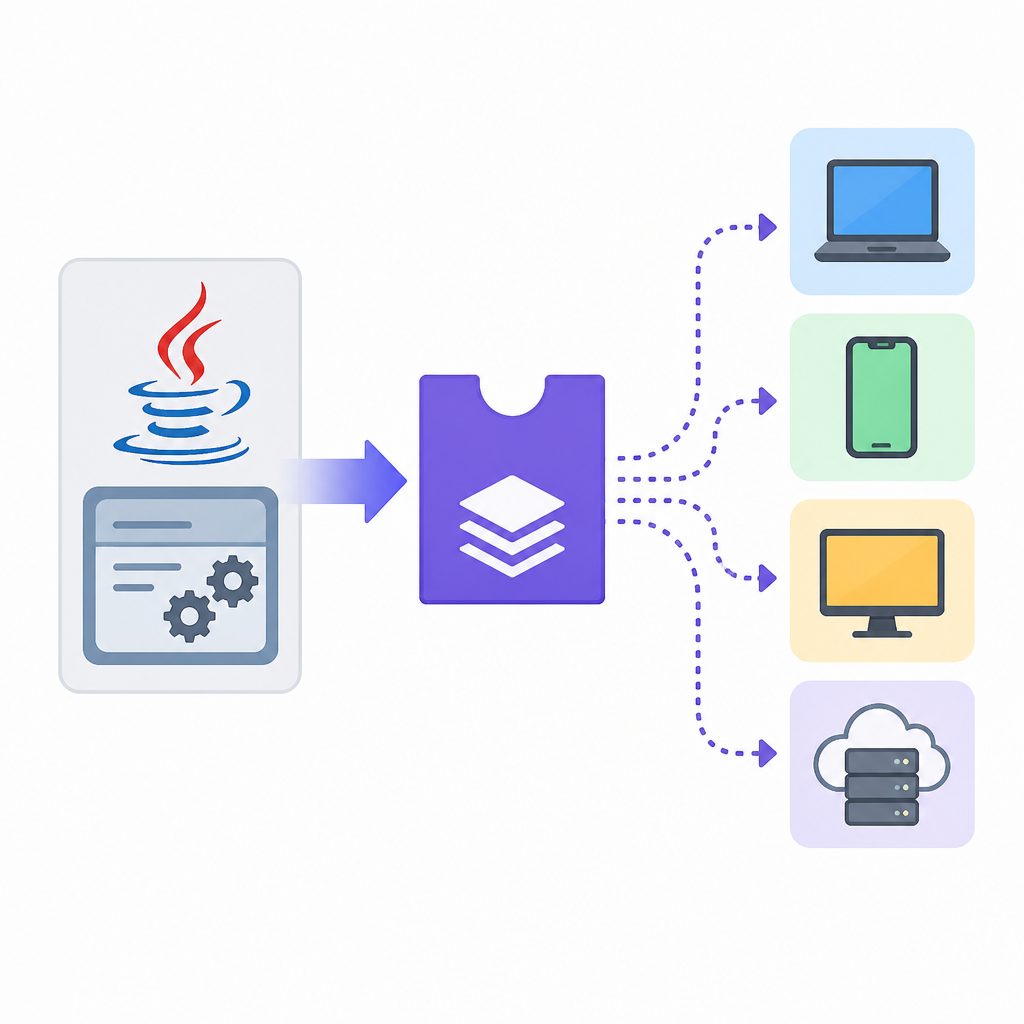
This is especially attractive in JVM environments where portability is already a core strength. If a team can move code across browser, edge, and server contexts with fewer rewrites, it simplifies maintenance and shortens the path from prototype to deployment.
- Reuse front-end code on the server
- Reduce rewrite work across teams
- Support portable deployment models
- Fit naturally into Java-centric platforms
4. Wasm can replace awkward JNI integration paths
The article also frames Wasm as a safer and simpler option than Java Native Interface (JNI) for bringing native functionality into Java applications. JNI works, but it often adds operational complexity and can be harder to manage across platforms and build systems.
By using Wasm as the integration layer, teams can keep the sandboxed execution model and avoid shipping native libraries in the same way. That is useful for workloads that need native-like capabilities but still want a cleaner portability story and a smaller dependency footprint.
- Alternative to JNI
- Sandboxed execution model
- Less native packaging overhead
- Built on the Java standard library footprint
5. New platform features are widening what runs on Wasm
Wasm is no longer just a minimal execution format. The article notes that Wasm 0.3 is complete, with features such as WasmGC and multi-memory support. Those additions matter because they let more languages and more complex applications run in the same model.
On the systems side, WASI is also evolving. WASI P2 is nearing finalization, while WASI P3 is integrating the Component Model, which helps developers compose applications from multiple WebAssembly pieces. That is a strong fit for modular backend systems and edge deployments.
- Wasm 0.3: complete
- WasmGC: better language support
- Multi-memory: more flexible runtime behavior
- WASI P3: Component Model integration
What to pick
If you care most about governance and long-term trust, Endive is the headline item. If your priority is speed, the JIT and Cranelift work is the part to watch. If you are building Java systems that need to reuse code, avoid JNI pain, or run at the edge, the broader WebAssembly-on-JVM approach is the bigger win.
For platform teams, the safest bet is to track the runtime improvements and the WASI roadmap together. That combination tells you whether WebAssembly is staying a niche tool or becoming a practical part of the server-side JVM stack.
// Related Articles
- [IND]
Anthropic is hiring a custom chip design team
- [IND]
Model Y L US launch packs 6 buyer details
- [IND]
2027 Tesla Model Y L Exterior Photos and Specs
- [IND]
CUDA’s moat is being tested by AI coding agents
- [IND]
Rust’s 2026 updates reshape combat and base play
- [IND]
80% of Q1 2026 VC Went to AI, But Blockchain Is Next