Why KuCoin’s Polymarket move is the right wallet strategy
KuCoin Web3 Wallet is right to add Polymarket because wallets must become the front door to onchain activity.
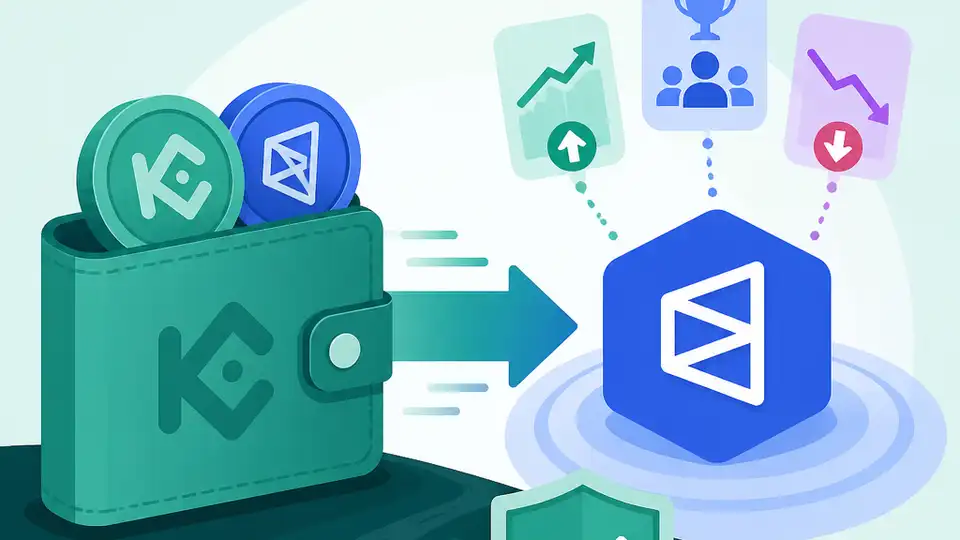
KuCoin is right to turn its wallet into a gateway for trading, discovery, and market signals.
KuCoin Web3 Wallet’s Polymarket integration is the right move because wallets are no longer just safes, they are becoming the place where users discover, interpret, and act on crypto-native information.
Wallets win when they reduce context switching
Get the latest AI news in your inbox
Weekly picks of model releases, tools, and deep dives — no spam, unsubscribe anytime.
No spam. Unsubscribe at any time.
The strongest argument for this integration is simple: every extra app between a user and a decision kills engagement. If a wallet can surface event markets, trading tools, and application discovery in one place, it becomes more than storage. It becomes the operating layer for a user’s onchain routine.
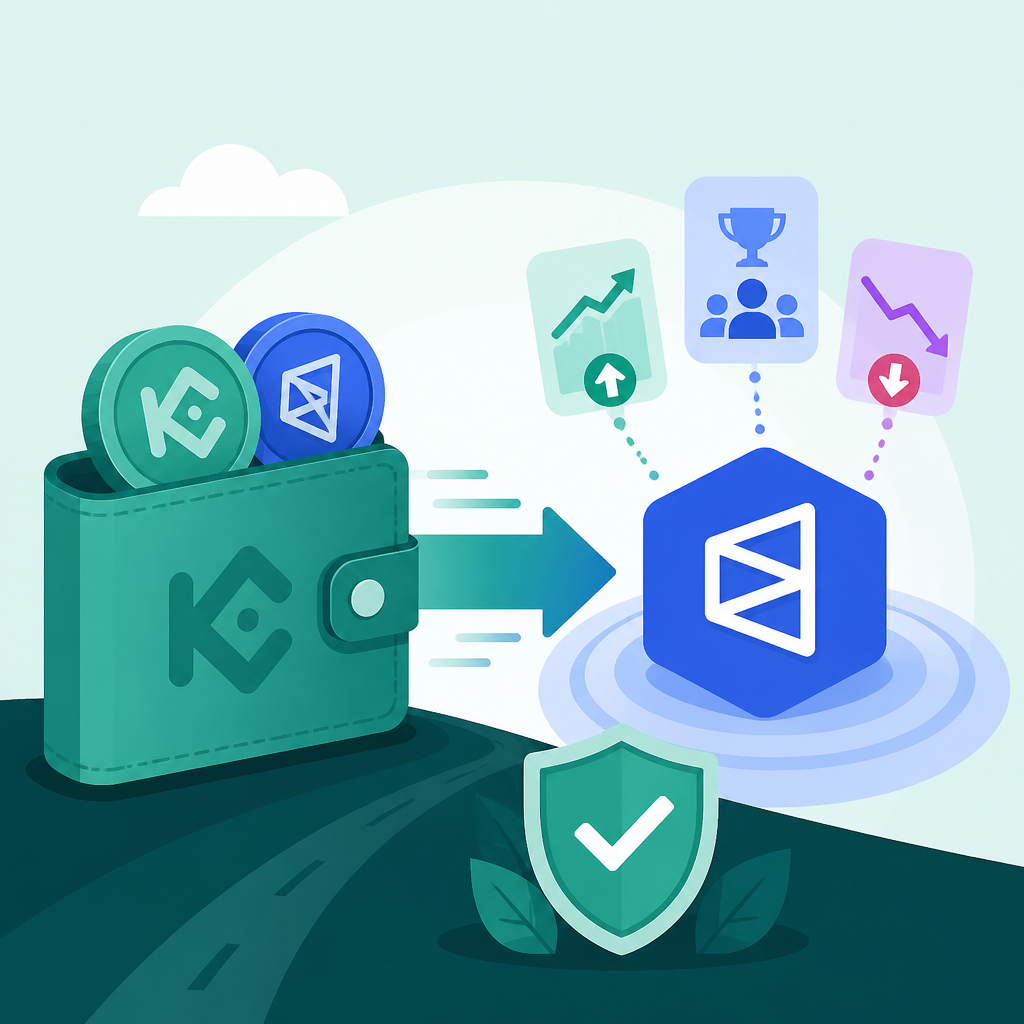
KuCoin’s own product stack shows the logic. The wallet already offers swaps, perpetual trading, tokenized real-world asset access, and DApp discovery. Polymarket fits that pattern because it adds a new type of action inside the same environment: reading market sentiment through event pricing. That is not a cosmetic feature. It is a structural advantage for retention.
Prediction markets fit the wallet era better than standalone apps
Polymarket is useful inside a wallet because prediction markets are not just entertainment. They are information interfaces. Users want to know what the crowd thinks about elections, sports, crypto moves, and macro events, and they want that signal where their assets already live.
That matters because wallets are shifting into dashboards for financial identity. KuCoin’s pitch is that users can see market-based insights without leaving the self-custodial environment. That is a better product design than forcing users to bounce from wallet to exchange to social feed to prediction app. The winner in Web3 is the platform that compresses the journey.
The one-stop ecosystem pitch is not just marketing
Critics dismiss “one-stop Web3 ecosystem” language as buzzword sludge, but in this case the framing matches the product direction. KuCoin is building toward a wallet that hosts transaction rails, investment surfaces, and discovery tools under one roof. That is exactly what users expect from modern financial software.
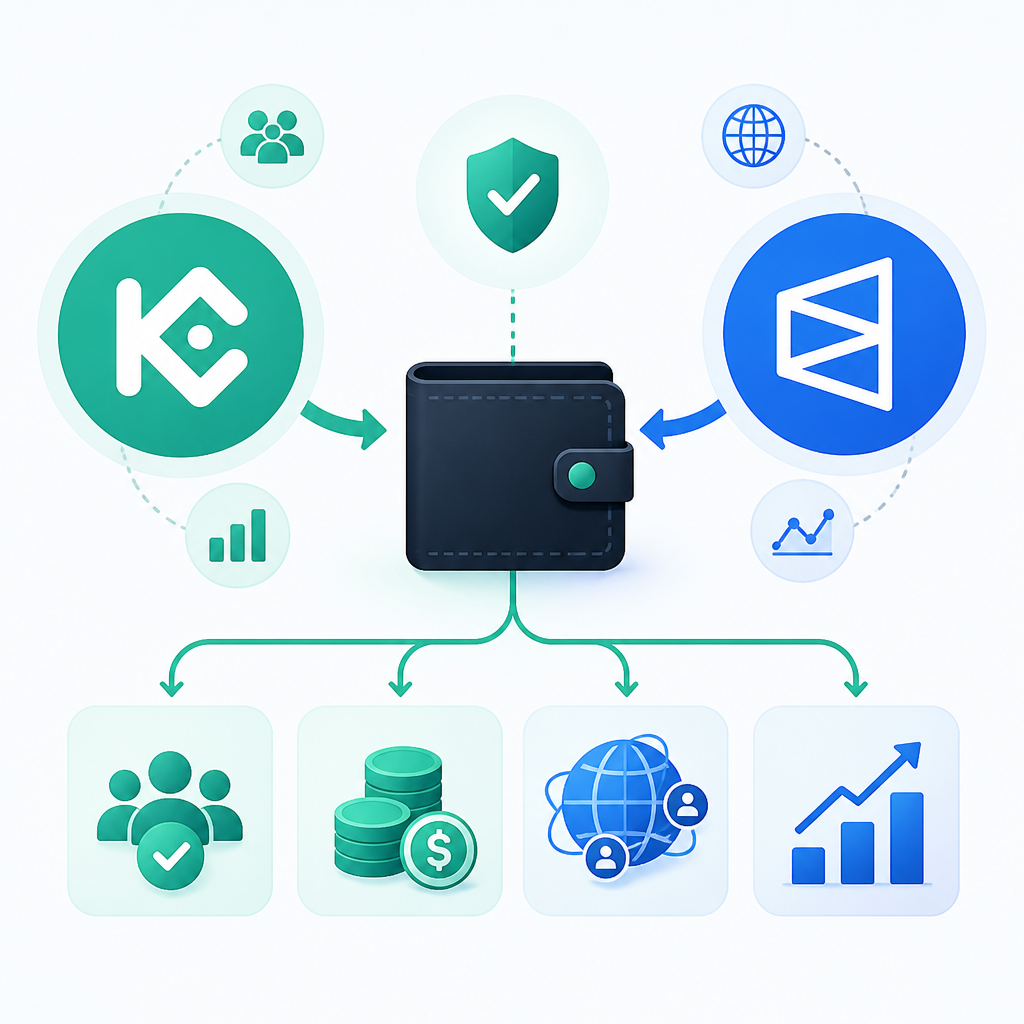
There is a real competitive reason here too. Wallets that remain narrow will be bypassed by wallets that become portals. If users can swap, trade perps, access RWAs, browse DApps, and now tap into Polymarket from the same interface, KuCoin gains a habit loop. Habit loops matter more than branding in a market where switching costs are low and attention is scarce.
The counter-argument
The best case against this move is that prediction markets inside wallets blur too many lines. A wallet should be for custody and execution, not for speculative signal chasing. Adding Polymarket may distract users, increase complexity, and invite regulatory scrutiny around event-based markets that already sit in a gray area.
That concern is real, and it should not be hand-waved away. A wallet that tries to be everything can become cluttered and harder to trust. For some users, especially newcomers, a clean custody-first experience is safer than a dense super-app. If the interface becomes noisy or the compliance posture weak, the product loses the simplicity that made wallets valuable in the first place.
Still, that counter-argument fails on the core question: what do users actually want from a Web3 wallet in 2026? They want access, not austerity. They want one place to hold assets, find opportunities, and read the market. KuCoin is not abandoning custody; it is extending custody into utility. That is the correct direction, and the risk is manageable if the wallet keeps strong separation between storage, trading, and informational surfaces.
What to do with this
If you are a founder, build your wallet like a product surface, not a vault. If you are a PM, optimize for fewer app hops and clearer decision paths. If you are an engineer, treat discovery, trading, and sentiment as first-class wallet features with strict permissioning and clean UX boundaries. The lesson from KuCoin’s Polymarket integration is blunt: the next winning wallet is the one that helps users act, not just hold.
// Related Articles
- [CHAIN]
10 prediction market builders that can ship Polymarket-style apps
- [CHAIN]
Solana’s July 10 updates point to real adoption
- [CHAIN]
BYDFi Brings Crypto Trading Pitch to Lima
- [CHAIN]
Crypto exchanges should show up in LATAM, not just advertise there
- [CHAIN]
UAE Web3 setup turns crypto rules into a checklist
- [CHAIN]
Five AI Futurist features shaping Futurist 2026