Free and open-source software powers modern computing
4 reasons free and open-source software matters, from user control to lower costs and the systems behind servers, phones, and desktops.

Free and open-source software gives users source code access, sharing rights, and control over how software is used.
Free and open-source software, or FOSS, is more than a license label: it shapes how people run, inspect, and adapt software. One widely cited estimate in the source notes that Linux and BSD descendants power millions of servers, desktops, smartphones, and other devices.
| Item | What it gives users | Why it matters |
|---|---|---|
| Free software | Use, study, modify, redistribute | Centers user freedom |
| Open-source software | Public source code, collaborative development | Focuses on development method |
| FOSS | Both sets of rights under one umbrella | Bridges the two traditions |
1. User control over the code
Get the latest AI news in your inbox
Weekly picks of model releases, tools, and deep dives — no spam, unsubscribe anytime.
No spam. Unsubscribe at any time.
The core promise of FOSS is simple: users can run the program for any purpose, study how it works, change it, and share copies of the original or modified version. That makes the software less dependent on a vendor’s roadmap and more adaptable to local needs.
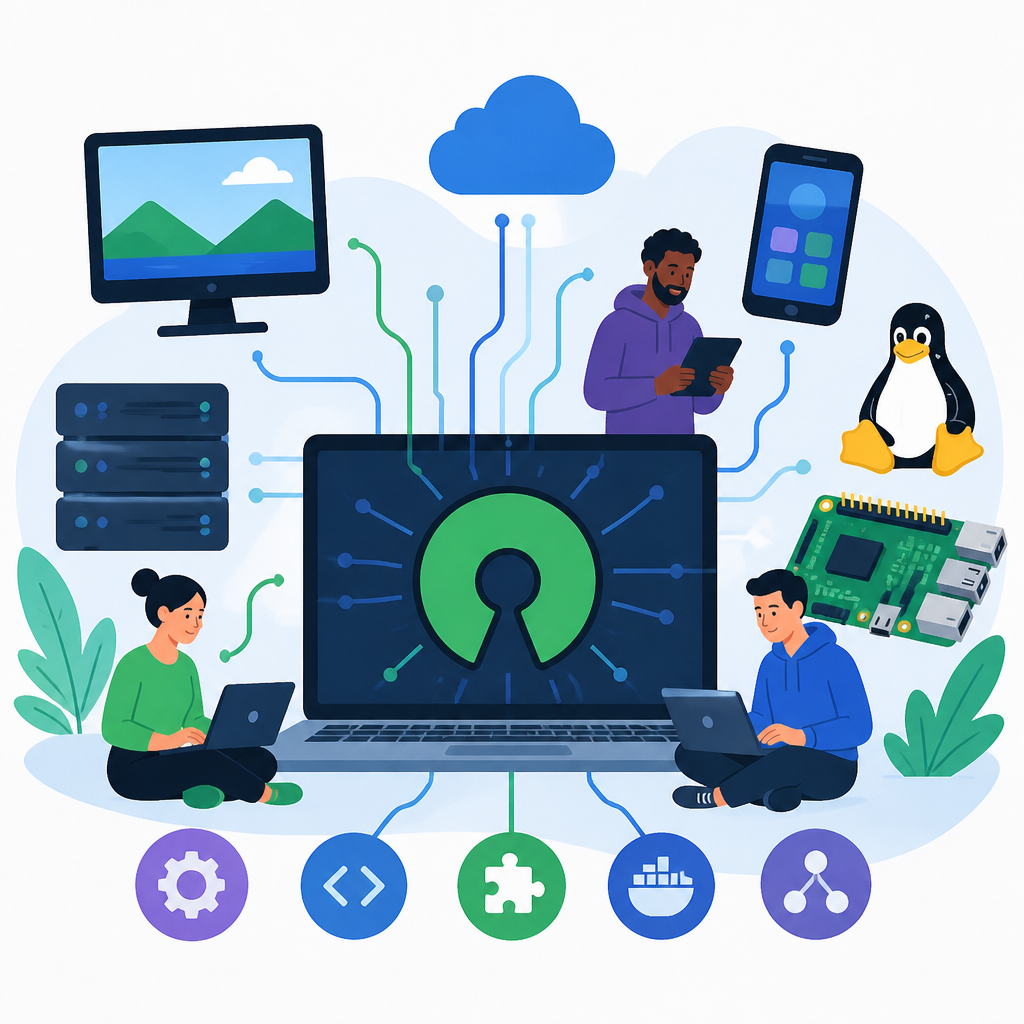
This matters most when software has to fit a specific workflow, device, or policy. Instead of waiting for a company to approve a feature request, teams can patch the code themselves or work with upstream maintainers.
- Freedom 0: run the program as you wish
- Freedom 1: study and change the source code
- Freedom 2: redistribute copies to others
- Freedom 3: share modified versions
2. Privacy and security benefits
FOSS is often chosen because its source code can be inspected by users, researchers, and communities. That does not make every project safe by default, but it does mean hidden behavior is harder to keep hidden for long.
The article notes that proprietary software can contain backdoors or undisclosed features, while open code lets more people look for bugs and vulnerabilities. For security-minded buyers, that transparency can be a practical advantage, especially when software touches sensitive data or critical infrastructure.
- Public source code supports audits
- Community review can surface bugs faster
- Users are not forced to trust a single vendor
3. Lower cost and easier access
Many FOSS programs are free of charge, though donations or paid support may still exist. That lowers the barrier to testing software, comparing tools, and deploying them at scale without per-seat licensing pressure.
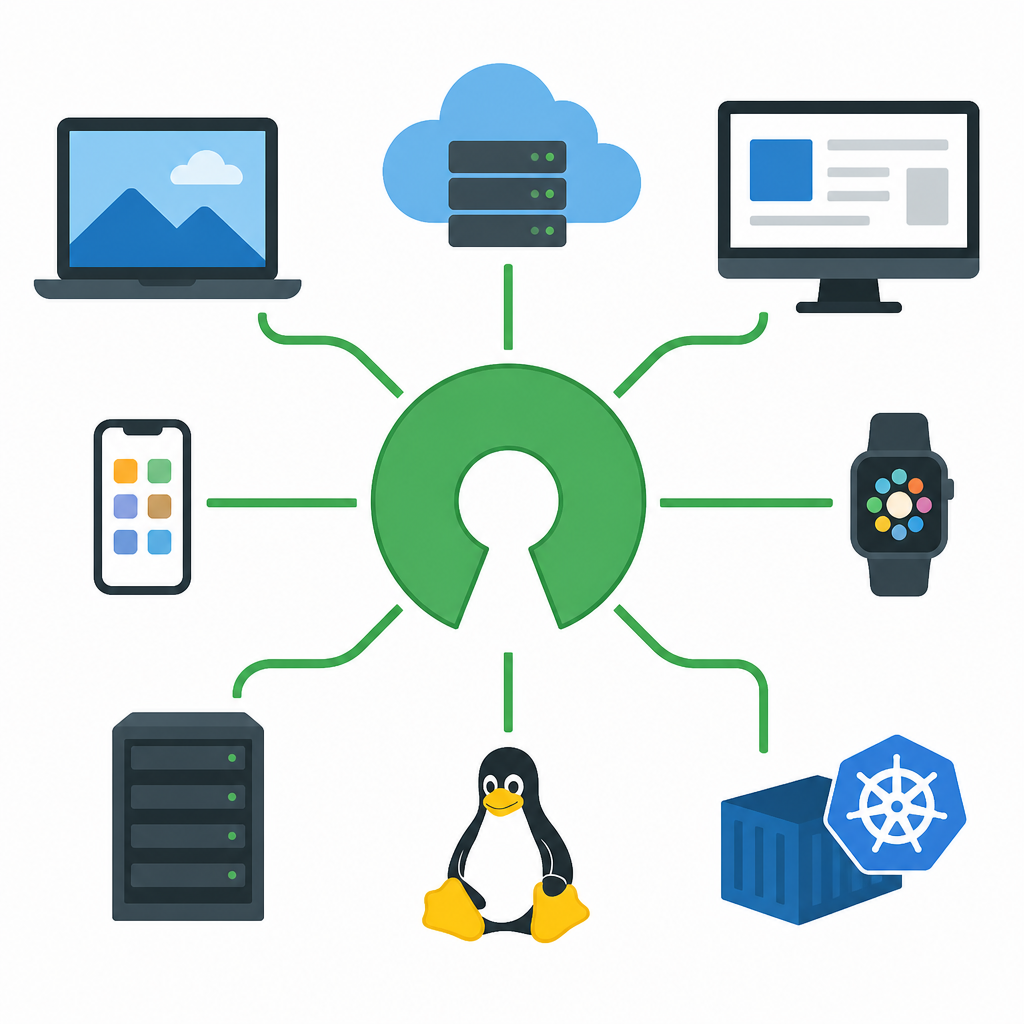
For schools, nonprofits, startups, and government teams, cost is not just about the sticker price. It also includes the freedom to copy software across machines, keep using older versions, and avoid license terms that penalize growth.
- No mandatory royalty for use
- Simple to copy and distribute
- Useful for education and experimentation
4. Collaboration and long-term stability
FOSS grew out of a culture of shared source code in early computing, and that collaborative model still shapes how it is built today. Multiple contributors can improve the same project, which can speed fixes and spread maintenance work across a community.
That shared model can also support stability. When a project is not locked to one company, it may continue through forks, community stewardship, or foundation support even if one sponsor changes direction.
- Common in Linux distributions and BSD descendants
- Used widely across servers, desktops, and phones
- Supported by communities, foundations, and companies
5. The difference between free software and open source
FOSS is an umbrella term that covers both free software and open-source software, but the two traditions emphasize different things. Free software focuses on user liberty, while open source highlights the practical value of collaborative development and public code.
In the article’s history, that split matters because the terminology was created to reduce philosophical conflict. If you are choosing software, the license terms matter more than the label: some projects are source-available but still restrict user rights, which means they are not FOSS.
FOSS = public source code + rights to use, modify, and redistributeHow to decide
Choose free software if your main priority is user freedom and the right to control your own computing. Choose open-source software if you want the same code access but care most about development quality, peer review, and collaboration. In practice, many teams use both ideas together under the FOSS umbrella.
If you are comparing projects, start with the license, then check whether the source is actually available, whether redistribution is allowed, and whether the project has active maintainers. Those details tell you far more than the label alone.
// Related Articles
- [IND]
Kimi K3 maps the new rules of test-time scaling
- [IND]
What the SALP liquidation reveals about AI trades
- [IND]
Claude’s security test became a real breach
- [IND]
X posts let execs shape the AI story
- [IND]
Jensen Huang’s AGI definition lowers the bar
- [IND]
Claude’s 2026 limit changes are a capacity story, not a product story