OpenAI’s partner network now has a clear path
OpenAI’s partner network is live, with 3 tiers, $150 million in channel funding, and a 300,000-consultant goal.

How does the OpenAI Partner Network work for solution providers?
OpenAI’s partner network is live with tiers, funding, and specialization paths for solution providers.
| Item | Structure | Notable detail |
|---|---|---|
| Partner Network | 3 tiers | Select, Advanced, Elite |
| Channel investment | $150 million | Enablement, MDF, service delivery, cost offsetting |
| Consultant goal | 300,000 | Certified by end of 2026 |
| Weekly users | 900 million | OpenAI technology users |
1. A three-tier path for partners
Get the latest AI news in your inbox
Weekly picks of model releases, tools, and deep dives — no spam, unsubscribe anytime.
No spam. Unsubscribe at any time.
The new OpenAI Partner Network gives solution providers a clearer way to enter the company’s ecosystem. Partners move through Select, Advanced, and Elite based on sales performance, technical capability, co-sell activity, and deployment experience.
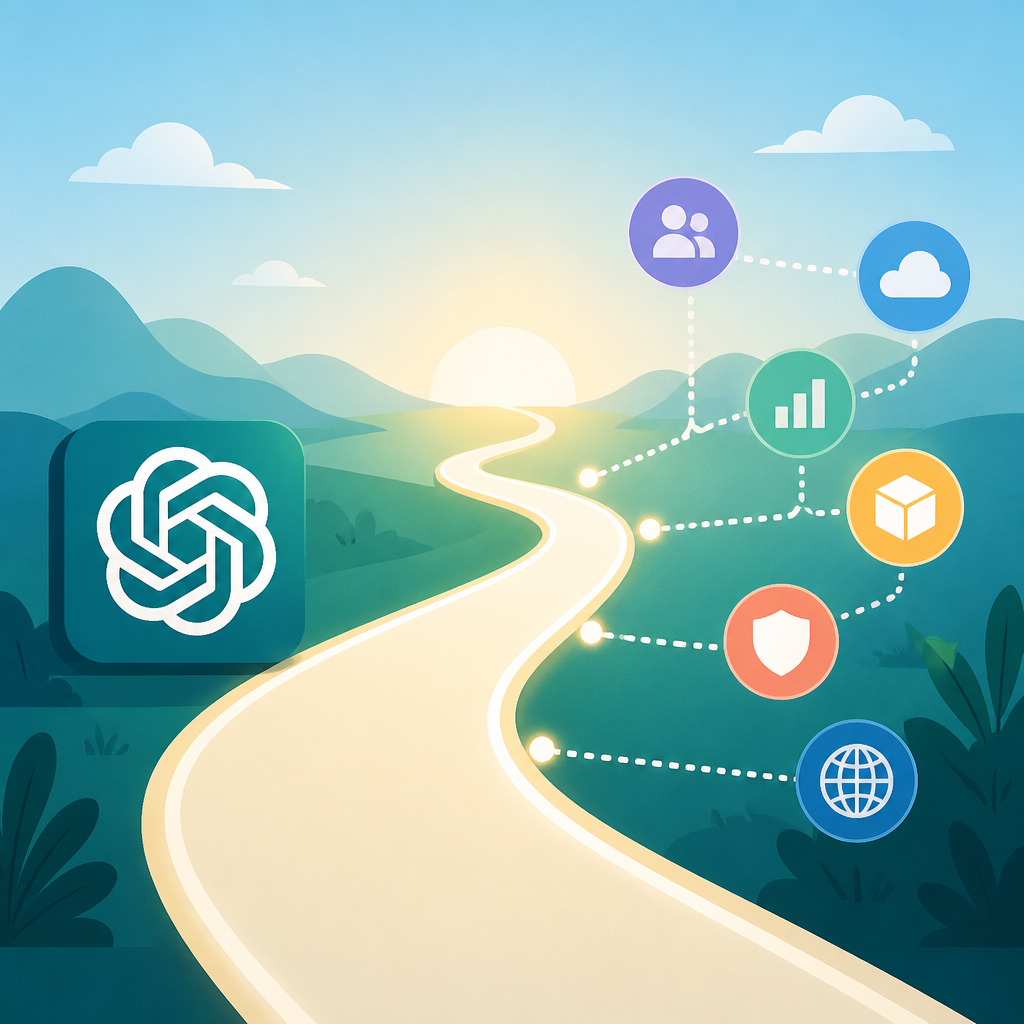
That structure matters because it turns an open-ended “how do I get in?” question into a program with defined expectations. For channel firms, the message is simple: prove you can sell, build, and deploy AI in production, then earn more access as you move up.
- Select: entry point for qualified partners
- Advanced: deeper sales and technical proof
- Elite: highest bar for execution and customer impact
2. Specializations that signal real expertise
OpenAI is pairing tiering with specializations that can help partners show where they are strongest. The first named focus areas include Codex, cybersecurity, and AI agents, which are meant to make it easier for customers to find firms with specific delivery skills.
For partners, this is more than a badge. A specialization can shape go-to-market, sharpen staffing decisions, and make it easier to frame a practice around a concrete use case instead of a broad AI pitch.
- Codex for coding and developer workflows
- Cybersecurity for security-focused AI work
- AI agents for task automation and orchestration
3. $150 million to fund enablement and delivery
OpenAI says it is putting $150 million into the channel program up front. According to partner program leader Colleen Kapase, that money will support enablement, service delivery, cost offsets, and MDF funds.
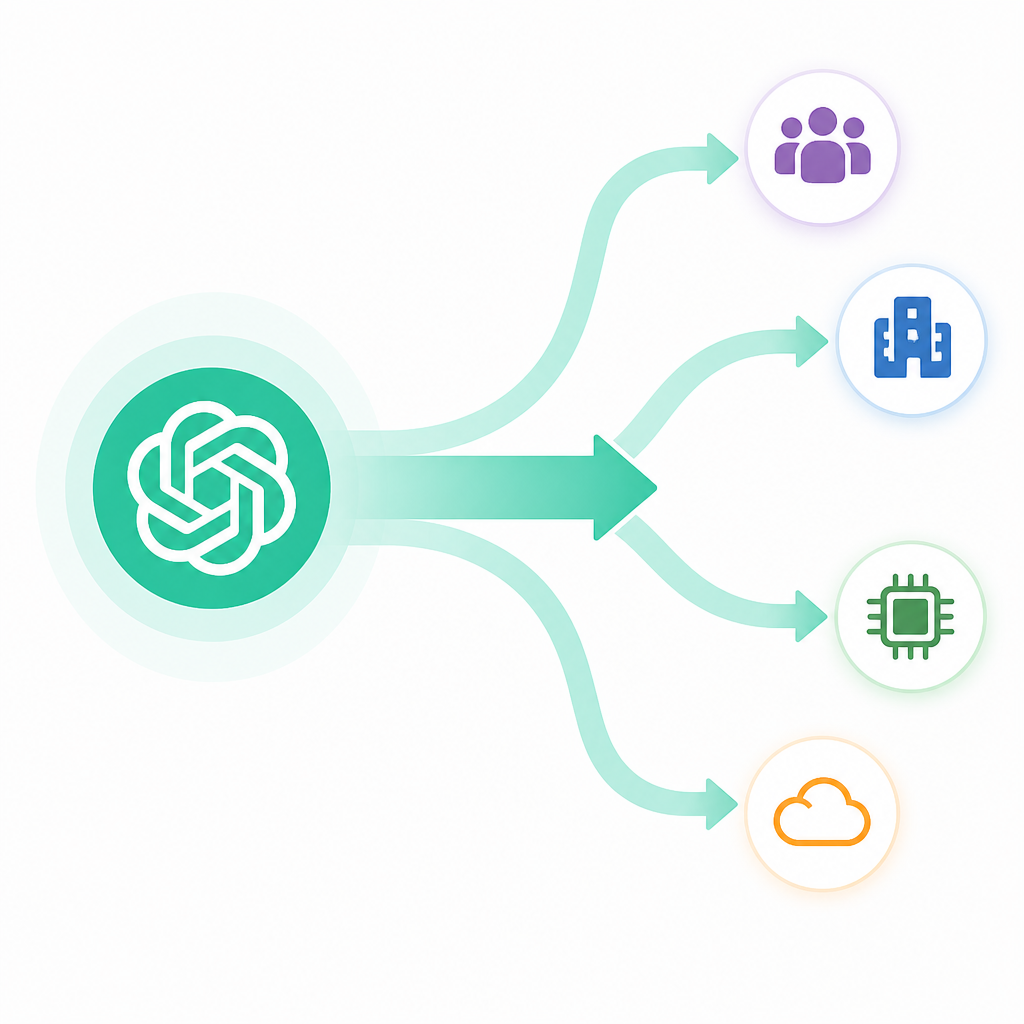
That kind of investment signals that OpenAI wants partners to do more than refer deals. It wants them trained, staffed, and ready to build repeatable practices around OpenAI offerings, with help covering some of the economics of that ramp.
$150M = enablement + service delivery + MDF + cost offsets4. A co-sell motion tied to production outcomes
The program is built around partners that can put AI into production, not just demo it. Kapase has said there is room for both large global integrators and smaller AI-native firms, as long as they can deliver customer outcomes.
That opens the door for firms like Accenture, Boston Consulting Group, and smaller specialists such as Innovative Solutions, which is reviewing the program because of OpenAI’s growing work with AWS. The practical takeaway is that OpenAI wants partners who can co-sell, co-deploy, and keep learning with customers.
- Large SIs can bring scale and enterprise reach
- Smaller firms can compete with AI-native expertise
- Co-selling is part of the expected motion
5. A big certification push by the end of 2026
OpenAI is aiming to train 300,000 certified OpenAI consultants by the end of 2026. That target shows the company is treating partner education as a scale play, not a side benefit.
For solution providers, the opportunity is to get ahead of that wave. Early movers can build credibility, shape their practices around OpenAI tools, and use certification as a sales signal while customers are still sorting out which AI partner to trust.
- Goal: 300,000 certified consultants
- Timeline: end of 2026
- Audience: systems integrators, MSPs, advisers, consultants
How to decide
If you are a large integrator, the network offers a formal way to deepen co-sell work and prove delivery strength. If you are a smaller AI-native firm, the specialization model may be the faster route to differentiation, especially if you already have production use cases.
Partners that sell into AWS-heavy accounts should pay close attention to the Codex angle, while firms focused on advisory or managed services should watch how the certification and enablement pieces evolve. In short, the best fit is the partner that can show real deployments, not just AI interest.
// Related Articles
- [IND]
Anthropic’s eerie new ad sparks backlash
- [IND]
OpenAI hires Google Cloud channel chief Philip Larson
- [IND]
GPGPU turned graphics chips into general compute engines
- [IND]
AI Firms Are Filling London Offices Fast
- [IND]
Anthropic’s contrarian playbook turns enemies into growth
- [IND]
Warner’s AI AGENT Act targets platform AI control