2026 LLM paper lists are a better research tool than feeds
Curated LLM paper lists beat raw feeds because they turn scattered research into usable context.

Curated LLM paper lists beat raw feeds because they turn scattered research into usable context.
Curated paper lists are more valuable than endless arXiv feeds for LLM work, and Sebastian Raschka’s January-to-May 2026 roundup proves it.
First argument: curation beats volume
Get the latest AI news in your inbox
Weekly picks of model releases, tools, and deep dives — no spam, unsubscribe anytime.
No spam. Unsubscribe at any time.
The strongest reason to keep a curated list is simple: it reduces search friction. Raschka says he built the list because he often remembers that a relevant paper exists, but finding it again is annoyingly hard. That is not a niche complaint; it is the daily cost of working in a field that publishes at machine speed.

The list also makes the signal visible. In just the opening sections, the recurring themes are hybrid architectures, efficient inference, long context, reasoning, and agent systems. That clustering matters more than completeness. A reader scanning the list can see where the field is moving without sorting through thousands of titles that only look different at the surface.
Second argument: the best list is opinionated
Raschka does not pretend to be exhaustive, and that is the point. He explicitly says this is a curated reference list based on papers he found interesting or relevant for his own work. That admission gives the list more value, not less, because it tells the reader what deserves attention from someone who is actively building and writing in the space.
The evidence is in the selections. Papers like Nemotron 3 Super, Mamba-3, Gated DeltaNet-2, and Step 3.5 Flash are not random inclusions. They reflect a real thesis about 2026: long-context efficiency, hybrid architectures, and practical serving now matter as much as raw scale. A good research list should reveal that thesis instead of hiding behind neutrality.
The counter-argument
The obvious objection is that lists age fast. In a fast-moving field, a January-to-May roundup can look outdated by June, and a curated set can miss important work outside the curator’s interests. A raw feed, by contrast, is broader and less dependent on one person’s taste.
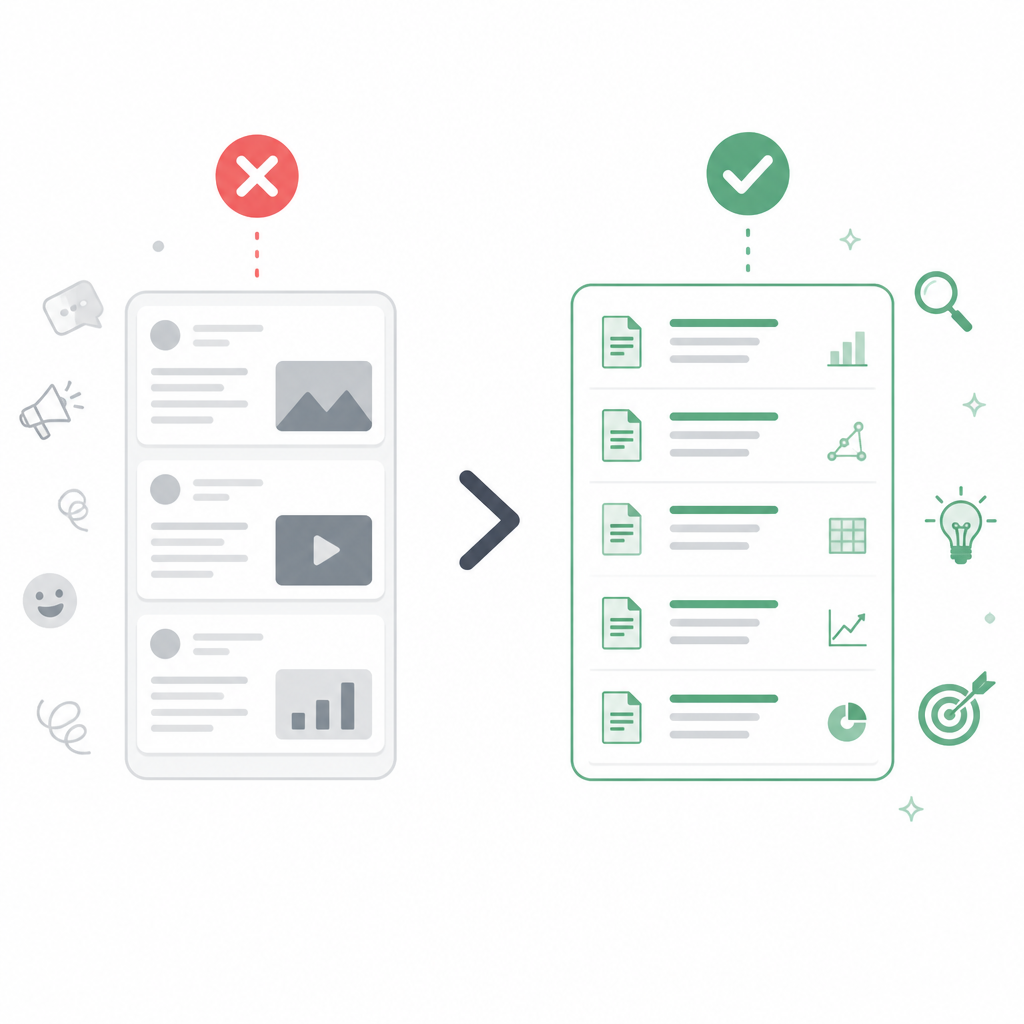
That criticism is fair, but it misses the real job of a research list. The goal is not to archive everything. The goal is to create a navigable map of the papers that matter for a given workflow. Raschka’s list does that with honest scope, category structure, and enough topical breadth to support real work. Exhaustiveness is a trap; usefulness is the standard.
The best response is not to demand a perfect index. It is to accept that a strong list is a working artifact, not a census. For engineers, researchers, and technical writers, a curated shortlist is faster to reuse, easier to cite, and more likely to shape actual decisions than a firehose of links ever will.
What to do with this
If you are an engineer, PM, or founder, stop treating research discovery as passive browsing. Build a living shortlist by theme, keep one note for model architecture, one for training, one for serving, and one for agents, then update each with your own verdict on relevance. The value is not in collecting papers. The value is in making the next decision faster.
// Related Articles
- [RSCH]
Fruitfly-Inspired Regression Without Heavy Models
- [RSCH]
Mental World Modeling: Simulating minds, not just scenes
- [RSCH]
Do You Need to Pretrain Q-Functions?
- [RSCH]
OpenAI’s agent hack forces tighter eval controls
- [RSCH]
CARE routes LoRA experts by confidence
- [RSCH]
πR² makes flow policies react in real time