247k GitHub Stars: OpenClaw Local AI Assistant
OpenClaw hit 247,000 GitHub stars as a local-first AI assistant that runs on your machine and replies in chat apps you already use.

OpenClaw is a local-first AI assistant that runs on your machine and replies through chat apps.
OpenClaw, the open-source personal AI assistant from OpenClaw creator Peter Steinberger, reached 247,000 GitHub stars and 47,700 forks by March 2026 after launching as a side project in November 2025. The project now runs as a local gateway for chat-based assistants, with messages arriving through Telegram, Signal, WhatsApp, and other channels while the model and tools stay under the user’s control.
| 項目 | 數值 |
|---|---|
| GitHub stars | 247,000 |
| GitHub forks | 47,700 |
| Launch month | November 2025 |
| Guide date | June 24, 2026 |
| ClawHub skills | 2,857+ |
| Security incident | 341 malicious skills |
What changed
Get the latest AI news in your inbox
Weekly picks of model releases, tools, and deep dives — no spam, unsubscribe anytime.
No spam. Unsubscribe at any time.
OpenClaw packages three parts into one workflow: a local gateway, messaging channels, and installable skills called claws. The gateway runs as a Node.js process on the user’s machine, routes each message to the right session, manages memory, and sends responses back through the same chat app.
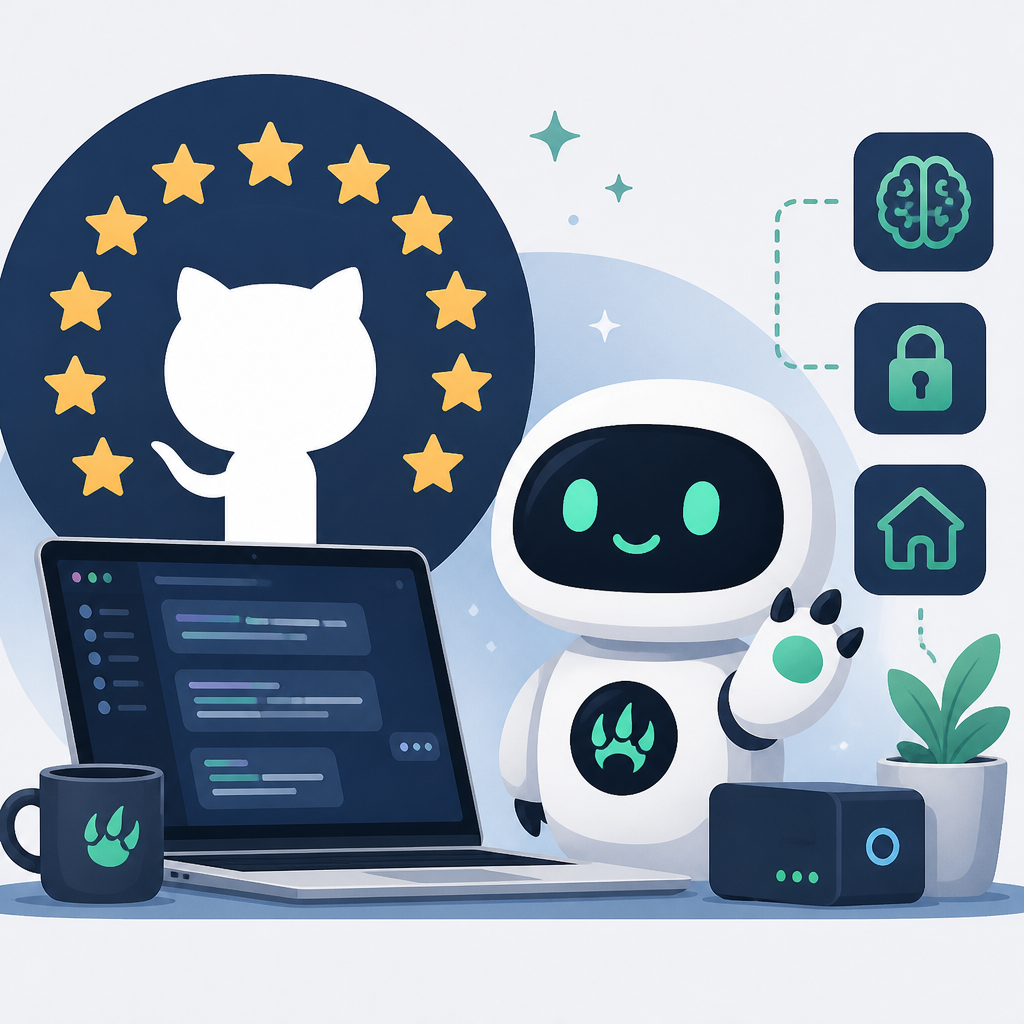
The assistant is model-agnostic. Users can connect Claude, GPT-5.5, DeepSeek, Gemini, Ollama, or any OpenAI-compatible endpoint, then switch models per agent or workspace. OpenClaw handles routing and tool execution; the chosen model handles inference.
- Channels include Telegram, Signal, WhatsApp, Discord, Slack, iMessage, and 20+ others.
- Claws are markdown-based skill packs with YAML frontmatter and instructions.
- Core tools include read, write, exec, web_search, web_fetch, browser, and memory.
- ClawHub is the official skill registry, with install and search commands built into the CLI.
Setup is short on paper: install the CLI, run onboarding, choose a model provider, connect a channel, and add claws as needed. The guide says Telegram is the fastest first setup, while Signal and WhatsApp require extra transport configuration.
Why it matters
OpenClaw solves two pain points that keep showing up in AI tooling: users do not want another app, and they do not want their chat history copied to a vendor server. By keeping the assistant local and letting people talk to it inside the messaging apps they already use, OpenClaw lowers the friction for daily use.
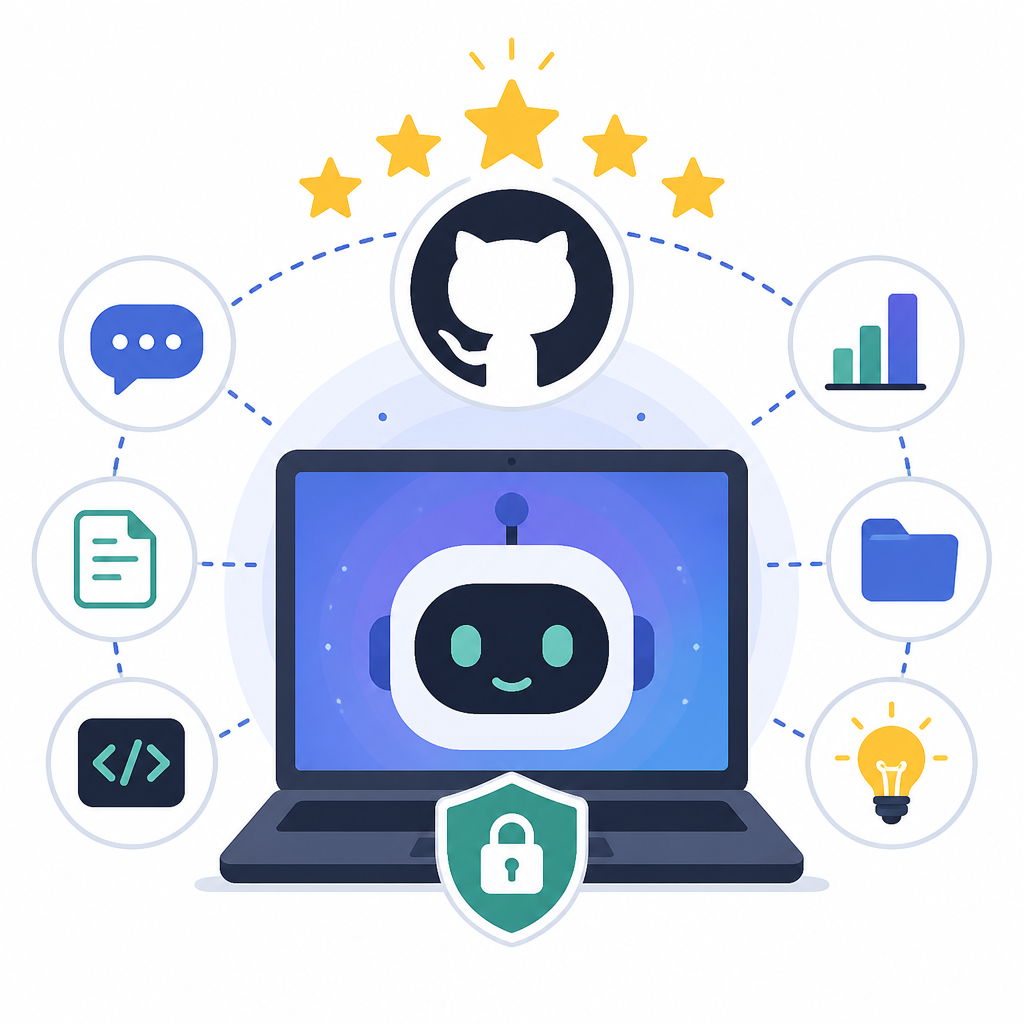
For developers, the bigger draw is control. Skills can be scoped to a workspace or installed globally, each skill declares its tool access up front, and the local memory layer stores facts in SQLite instead of a hosted database. That makes OpenClaw easier to audit than many hosted agent stacks, especially for workflows that touch files, shells, or APIs.
The security angle is now part of the product story too. After researchers flagged ClawHavoc, ClawHub removed suspicious skills and added VirusTotal scanning. Anyone installing community claws still has to check publisher identity and tool permissions before turning on write access.
OpenClaw’s rise is a signal that local-first agents are moving from niche hobby to serious developer tooling; the open question is how much trust users will place in third-party skills as the ecosystem grows.
// Related Articles
- [TOOLS]
Open-Generative-AI turns GitHub into a studio
- [TOOLS]
Why benchmark scores don’t predict your bill
- [TOOLS]
MCP Servers for Developers: 8 workflow gains in 2026
- [TOOLS]
Doubao turns a game prompt into a mini arcade
- [TOOLS]
Coding Plan turns Alibaba Cloud into IDE billing
- [TOOLS]
Baidu Wenxin turns search into a free agent