A24 and DeepMind put $75M into AI tools
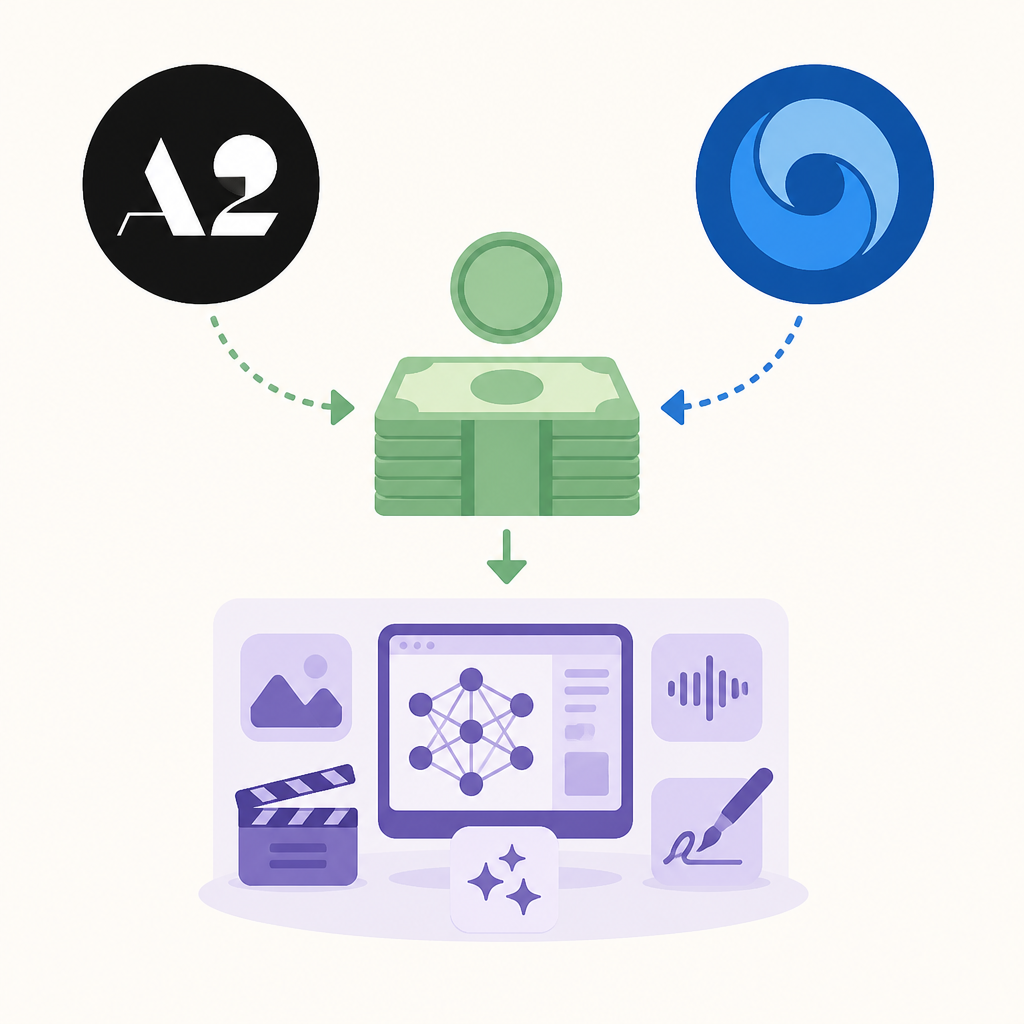
A24 and Google DeepMind are building film AI tools together, with DeepMind putting $75 million into the multi-year deal.

A24 and Google DeepMind are building film AI tools with a $75 million investment.
A24 is teaming up with Google DeepMind on a multi-year AI venture, and the numbers tell you this is more than a branding exercise. DeepMind is putting $75 million into the project, while the studio says the tools will feed back into Google’s ecosystem and be available to filmmakers inside A24.
The deal lands at a moment when Hollywood is still arguing about where AI belongs in the creative process. It also gives Google a direct line into one of the most taste-driven studios in film, which matters because A24’s brand carries real weight with directors, producers, and the people who shape what gets made next.
| Deal detail | What it means |
|---|---|
| $75 million | DeepMind’s investment in the project |
| Multi-year | The partnership is built to run over time, not as a one-off pilot |
| Non-exclusive | A24 can work with other AI companies and models |
| About two dozen | Scott Belsky’s digital team at A24 |
Why this deal matters for both sides
Get the latest AI news in your inbox
Weekly picks of model releases, tools, and deep dives — no spam, unsubscribe anytime.
No spam. Unsubscribe at any time.
For A24, this is a fast way to move from experimenting with AI to helping shape the tools themselves. For Google, it is a chance to train and refine products with people who actually make movies, not just people who demo software well on stage.

That matters because creative tools fail when they ignore how production works. A storyboard app, a previsualization tool, or a script workflow only becomes useful if it fits the way directors, editors, and production teams already think.
The studio is also getting a signal boost. A24 has built a reputation on films that feel selective and auteur-driven, and a formal partnership with DeepMind tells the rest of the industry that AI work can happen without being hidden in a side lab.
- The partnership is not exclusive, so A24 can still work with other AI vendors.
- DeepMind already has filmmaker collaborations, but this is its first known full-studio deal.
- Google’s Veo video model gives the company a real product to push into filmmaking workflows.
- The project is designed to send value back into Google’s broader AI stack, not stay locked inside one studio.
Scott Belsky is running the A24 side
The A24 program will be run under Scott Belsky, who joined the studio in early 2025 to oversee digital initiatives. Belsky is best known as a longtime Adobe executive and the co-founder of Behance, so he brings both product instincts and a creator-network mindset to the job.
That background helps explain the direction A24 seems to be taking. Belsky has already said the studio is prototyping a storyboard tool, which fits a broader pattern in entertainment: keep the final creative call with humans, but use software to make early iteration faster and cheaper.
“We believe the best way to develop tools that empower artists is to work directly with them,” Demis Hassabis, CEO of Google DeepMind, said in a statement posted on Google’s website.
That quote is doing a lot of work here. DeepMind is not selling this as a replacement for filmmakers, at least not publicly. It is pitching the partnership as a way to build AI features that support creative intent, which is a much easier message to sell to Hollywood than “let the model write the movie.”
Belsky made a similar argument in a social post, saying there are “better uses of storytelling tech” that preserve creative control and support risk-taking. He also said the workflows are still to be determined, which is the honest part of the announcement: the product is real, but the exact shape of it is still being built.
How A24 compares with other studios
A24 is catching up to a shift that is already visible at larger companies. Netflix and Amazon Studios have been developing tools for filmmakers, while Lionsgate has worked with Runway on model building.
The comparison is useful because A24 does not have the same scale or cash pile as Amazon. What it does have is cultural influence, and in AI partnerships that may matter just as much as budget. A smaller studio with a strong identity can give a model maker something large companies cannot: a recognizable creative taste profile.
- Netflix already has the infrastructure to test tools across a huge production machine.
- Amazon Studios can spread AI work across a much larger corporate stack.
- Lionsgate has already shown interest in model collaboration through Runway.
- A24 brings a narrower but more opinionated audience, which can be valuable for product tuning.
There is also a branding angle that should not be ignored. Google gets to say it is working with one of the most respected indie studios in the business, and A24 gets to say it is shaping the tools instead of waiting for them to arrive fully formed from Big Tech.
That is the real story here: this is a product partnership, but it is also a trust play. Hollywood is still skeptical of generative video, and the companies building these systems know they need allies with creative credibility if they want adoption beyond demos and press releases.
What happens next
The most interesting near-term test is whether A24 can ship a storyboard or preproduction tool that filmmakers actually want to use. If the product saves time without flattening style, other studios will copy the model quickly. If it feels generic, the partnership becomes a very expensive proof of concept.
One more wrinkle: the deal is non-exclusive, so neither side is locked in. That gives both companies room to experiment, but it also means the partnership will be judged on output, not on announcement-day hype. The next update to watch is whether A24 shows a real workflow, a real pilot, or a real film that used the tools in production.
For now, the clearest takeaway is simple: AI in Hollywood is moving from abstract debate to studio contracts, and A24 just put itself in the middle of that shift.
// Related Articles
- [IND]
WebAssembly’s JVM shift is making Java more portable
- [IND]
Anthropic is hiring a custom chip design team
- [IND]
Model Y L US launch packs 6 buyer details
- [IND]
2027 Tesla Model Y L Exterior Photos and Specs
- [IND]
CUDA’s moat is being tested by AI coding agents
- [IND]
Rust’s 2026 updates reshape combat and base play