AI agents will do more for Web3 than wallets ever did
AI agents, not better wallets, are the most plausible path to mainstream Web3 adoption.

AI agents are the most plausible path to mainstream Web3 adoption because they hide the complexity.
Most people will never become fluent in smart contracts, and that is exactly why Karl Floersch’s thesis matters: if Web3 is going mainstream, it will happen through software that acts on a user’s behalf, not through users learning to manage wallets, gas, approvals, and contract risk themselves.
AI agents solve the real adoption problem: complexity
Get the latest AI news in your inbox
Weekly picks of model releases, tools, and deep dives — no spam, unsubscribe anytime.
No spam. Unsubscribe at any time.
The biggest barrier to Web3 adoption has never been ideology, it has been friction. A normal user does not want to inspect contract addresses, compare slippage settings, or worry about whether a signature grants unlimited token access. Floersch is right to focus on agents because they remove the part of crypto that still feels like operating a command-line tool in public.
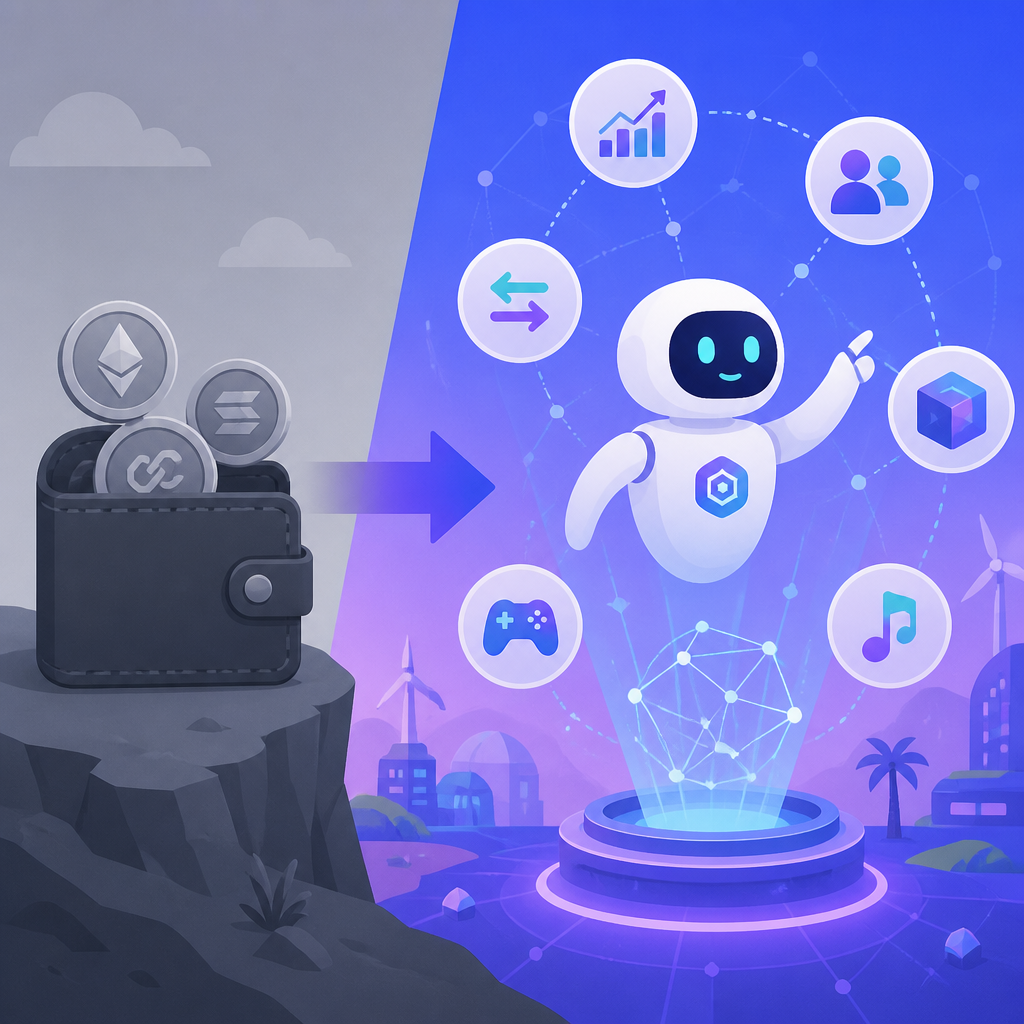
That is not a minor UX improvement, it is the difference between niche participation and everyday use. The crypto industry has spent years trying to make wallets friendlier, but the core workflow still asks too much. An agent that can execute a trade, manage a position, or deploy a contract on behalf of a user turns Web3 from a hands-on ritual into an invisible backend.
Agents fit blockchain systems better than humans do
Floersch’s stronger point is that smart contract networks were built for machine-like coordination long before AI agents existed. Blockchains reward precise rules, deterministic execution, and constant micro-decisions. Humans are bad at all three. Agents are built to follow instructions, evaluate tradeoffs quickly, and operate continuously without fatigue.
This matters most in environments like Ethereum and the OP Stack, where economic coordination is the product. If an agent can arbitrate liquidity, manage treasury actions, or route transactions across protocols, then the network is no longer waiting for a user to click through a sequence of prompts. It is doing what blockchains were always supposed to do: coordinate activity at software speed.
Optimism has a clear strategic reason to like this future
Floersch is not speaking in the abstract. Optimism’s Layer-2 stack benefits directly if agents generate more on-chain activity, because more automated execution means more transactions, more demand for throughput, and more reason for developers to build on OP Stack infrastructure. In that sense, the argument is both technological and commercial.
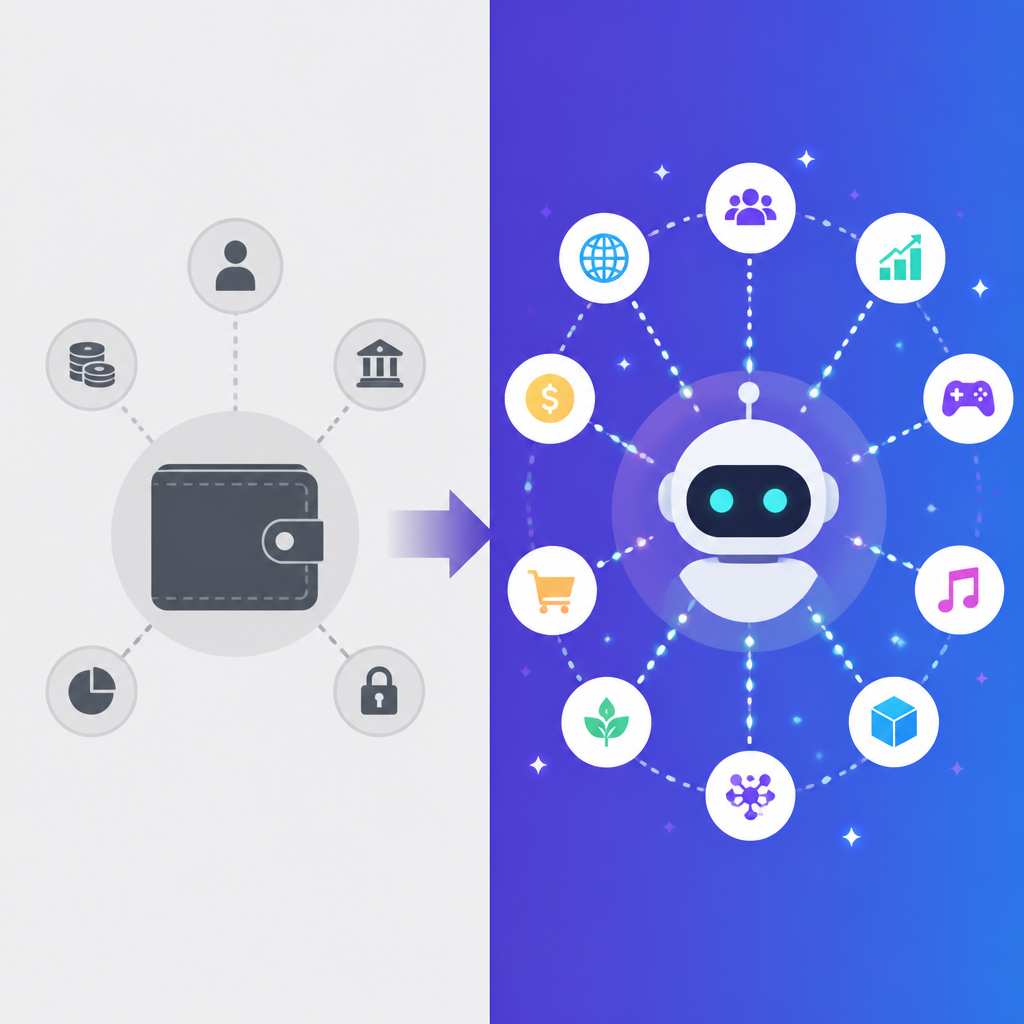
There is also a governance angle that is easy to miss. If agents become meaningful economic actors, then tokenized governance systems will have to decide whether those agents can vote, delegate, or otherwise participate in protocol control. That is not a side issue. It is the next frontier for any network that claims to be open, decentralized, and programmable.
The counter-argument
The skeptical view is stronger than crypto evangelists usually admit. Autonomous agents introduce a new class of risk: bad prompts, compromised keys, malicious contracts, and software that can move real money faster than a human can intervene. A wallet mistake is annoying; an agent mistake can be catastrophic. Regulators will also treat agent-driven finance as a fresh target, especially when no one can clearly explain who is liable when the machine acts badly.
There is also a deeper objection. Mainstream adoption may not require agents at all if stablecoins, custodial wallets, and embedded payments keep improving. In that world, users still do not need to understand Web3, but they also do not need to trust autonomous systems with their assets. The adoption layer may end up looking more like fintech than like a swarm of AI traders.
That critique is real, but it does not defeat Floersch’s thesis. It only limits it. Consumer payments can be abstracted by custodians, but the most complex and valuable on-chain activity still rewards automation. Treasury management, market making, governance operations, and cross-protocol coordination are exactly the kind of tasks that agents will do better than humans, and those are the activities that can expand Web3 usage fastest once they are safe enough to trust.
What to do with this
If you are an engineer, build for agents instead of pretending every user will become a power user: design permissioning, simulation, scoped approvals, and recovery paths that assume software will act autonomously. If you are a PM or founder, stop selling “easy wallets” as the endgame and start asking which workflows become valuable only when an agent can execute them continuously. The winning Web3 products will not just be easier to use; they will be easier for machines to use on our behalf.
// Related Articles
- [CHAIN]
Anthropic’s Riot deal shows AI compute now costs billions
- [CHAIN]
Bitcoin’s CLARITY Act now faces a 60-vote test
- [CHAIN]
Pepeto's DeFi push is a distraction from Ethereum's real upside
- [CHAIN]
AI agents will not save Web3; they will expose its weakest systems
- [CHAIN]
Panda AI launches Golden Presale for AI blockchain
- [CHAIN]
Layer 2 vs Layer 3: $38B TVL trade-off