Anthropic’s access cut shows speech limits in AI
Anthropic cut access for all users after a fast government order, exposing how AI platforms handle speech, nationality, and compliance.

Anthropic cut access for everyone after a U.S. order it could not target by nationality.
Anthropic pulled access for all users after it reportedly had just 90 minutes to comply with a government order that it could not apply by nationality. The move turned a policy dispute into a practical test of how AI companies handle speech, access, and identity checks under pressure.
What happened in 90 minutes
Get the latest AI news in your inbox
Weekly picks of model releases, tools, and deep dives — no spam, unsubscribe anytime.
No spam. Unsubscribe at any time.
The core issue was simple: Anthropic could not tell which users were covered by the order, so it chose the blunt option and blocked everyone. That is a very different kind of moderation problem from removing a post or banning a single account. It is closer to shutting the doors because the security team cannot tell who has the right badge.
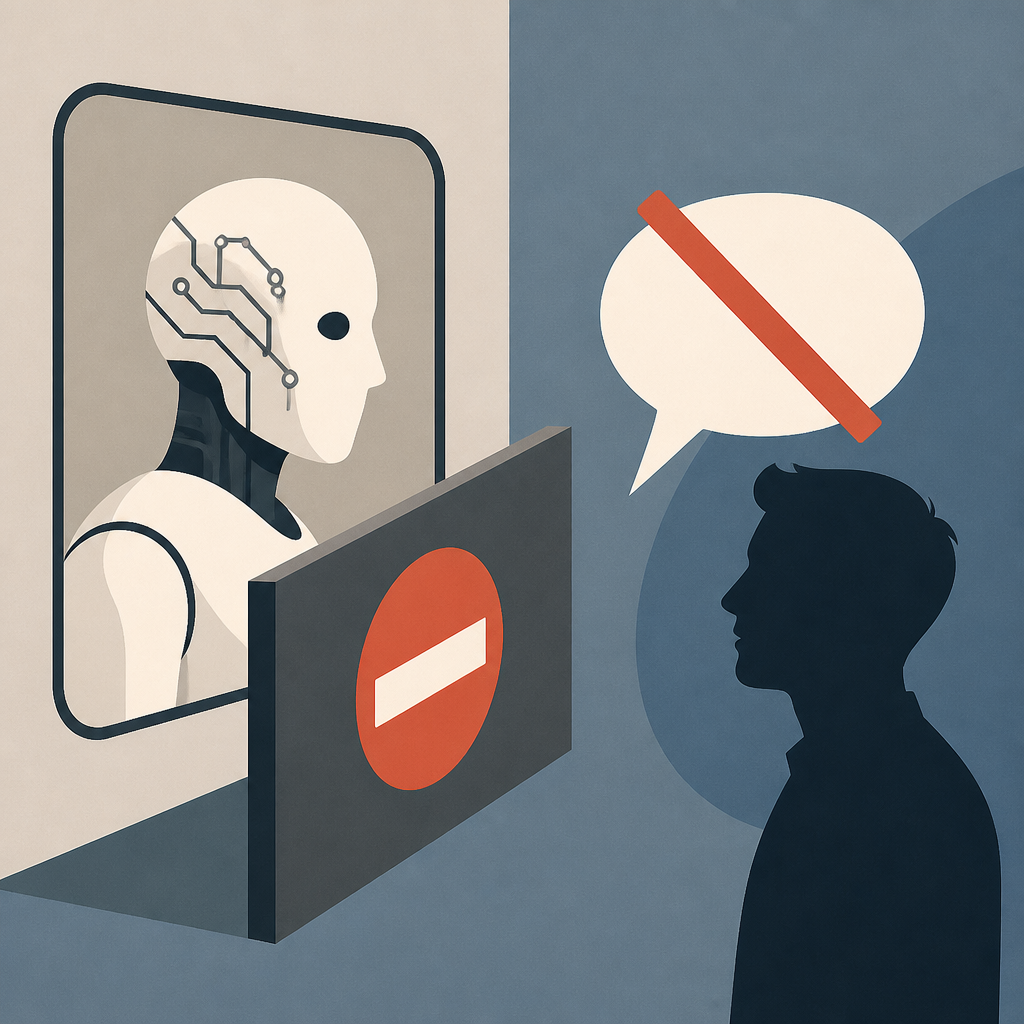
This matters because AI products are built to be global by default. A company like Anthropic does not usually run a separate codebase for each country, and identity checks are often imperfect. When a legal demand arrives with a short deadline, the company has to pick between partial compliance, technical risk, and broad shutdowns.
- Reported compliance window: 90 minutes
- Scope problem: nationality could not be reliably identified
- Result: access was pulled for everyone
Why this became a free speech story
The fight is about more than one company’s compliance decision. It asks whether the state can pressure a platform into restricting access in a way that affects many people who were never the target. That is a hard question for AI, because these systems are both speech products and infrastructure products.
For developers, this is the uncomfortable part: model access, API availability, and content rules are now part of the same policy stack. A rule aimed at one group can spill into service-wide outages if the platform cannot separate users cleanly. The result is a speech debate expressed as an availability problem.
“The government cannot tell a newspaper what to print,” said ACLU executive director Anthony D. Romero in a 2023 statement on press freedom.
That quote is about newspapers, not AI, but the principle is easy to see: when the state pressures a communication channel, the burden often lands on the platform and its users. Anthropic’s move shows how fast that pressure can turn into a broad restriction when the company lacks the tools to narrow it.
What this says about AI platform design
AI companies often talk about policy in abstract terms, but the implementation details decide who gets blocked, who gets through, and how much collateral damage a rule creates. If a company cannot verify nationality, region, or eligibility with confidence, then targeted enforcement becomes guesswork.
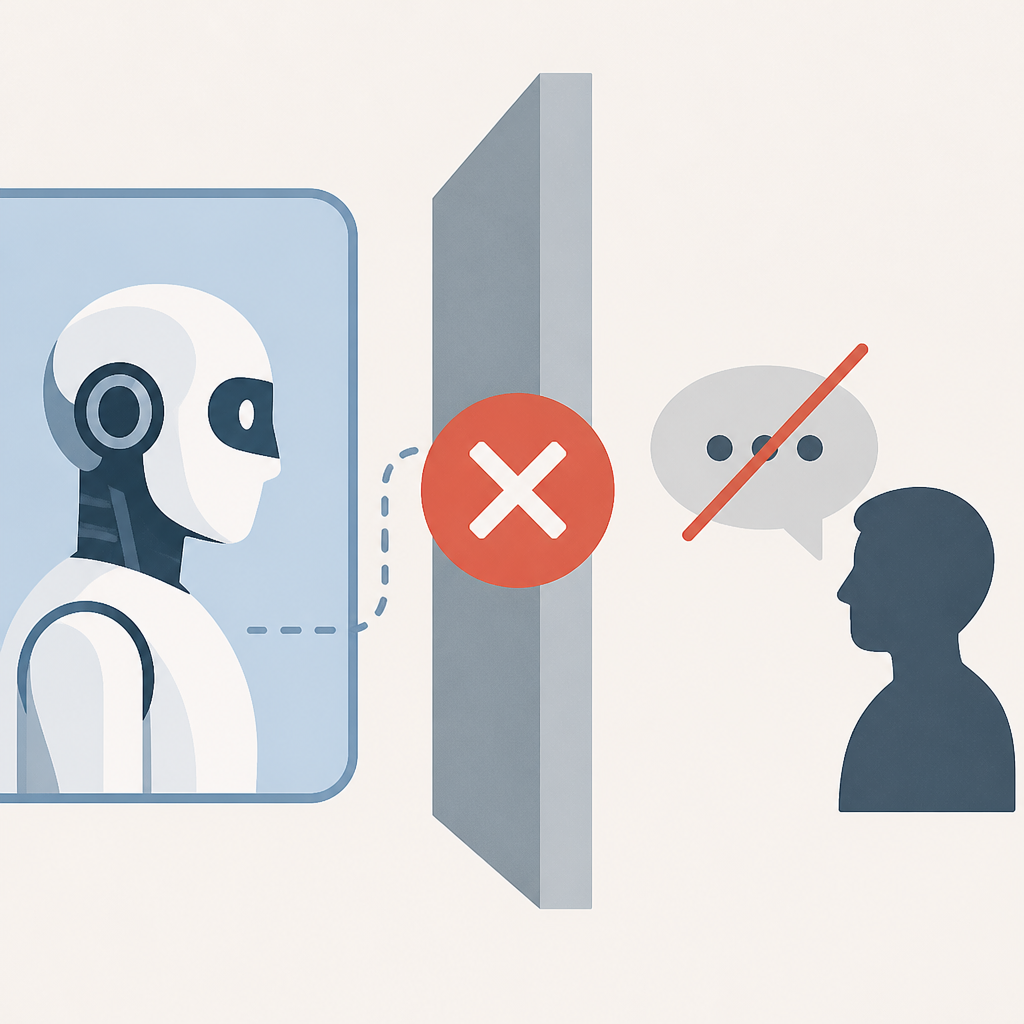
That pushes platform teams toward a few practical choices:
- Build stronger identity and residency checks, even if that adds friction
- Separate regional access controls from core model infrastructure
- Document what a company can and cannot determine before a legal order arrives
- Plan for short-notice compliance so service-wide shutdowns are less likely
Those are engineering questions, but they have civil liberties consequences. A weak identity layer can turn a narrow order into a broad restriction. A better one can preserve access for users who were never meant to be affected.
How this compares with other AI policy fights
This episode fits into a larger pattern across AI companies and online platforms. The rules are getting more specific, while the systems that enforce them are still built for scale, speed, and generalized access. That mismatch creates friction every time a government, court, or regulator wants a targeted outcome.
Compared with a normal content moderation case, this one is more severe because it affects the service itself. In a moderation dispute, a post or account gets removed. Here, the platform reportedly cut access for everyone rather than risk violating the order. That is a much bigger blast radius.
- OpenAI has also faced policy pressure around model access and safety controls
- Meta AI and other large platforms rely on region-aware controls, but those controls are not perfect
- EFF has long argued that overbroad restrictions can chill lawful speech
The numbers matter here because they show how little time companies may get to make decisions that affect millions of users. A 90-minute deadline is not enough to redesign identity systems or run a careful legal review. It is enough time to choose the least risky operational response.
What developers and policy teams should take from this
If you build AI products, this story is a warning about the hidden cost of weak user segmentation. If you write policy, it is a reminder that a targeted order can become a broad restriction when the platform cannot identify the right users. If you use AI tools, it is a reminder that access can disappear for reasons that have nothing to do with model quality.
The practical takeaway is straightforward: companies need clearer identity boundaries, better audit trails, and legal playbooks that assume very short response windows. Otherwise, the next order like this will produce the same result: a platform choosing mass restriction because it has no safer way to comply.
What happens next will depend on whether courts, regulators, and AI companies accept that access controls are now part of speech policy. If they do, the next fight will be about who gets to define the boundary between lawful restriction and overbroad shutdown.
// Related Articles
- [IND]
Cloudflare’s OpenAI pilot is a smart bet on fresher search
- [IND]
Cloudflare’s 487-partner ecosystem on Partnerbase
- [IND]
GPT 5.6 becomes Microsoft 365 Copilot’s preferred model
- [IND]
WebX 2026 turns speaker hype into a conference brief
- [IND]
AI Weekly: 2026-07-06 ~ 2026-07-13
- [IND]
The AI Act should be treated as Europe’s operating system for AI