Anthropic policy page backs $50B AI buildout
Anthropic lays out AI policy asks on safety, national security, energy, and labor, alongside a $50 billion U.S. infrastructure push.

Anthropic says AI policy should pair safety rules with major infrastructure and security investment.
Anthropic has published a policy agenda that ties AI governance to safety testing, national security, energy buildout, and labor-market planning. The company also says it is investing $50 billion in new American computing infrastructure and funding energy-efficiency research and cybersecurity workforce training.
| 項目 | 數值 |
|---|---|
| Infrastructure investment | $50 billion |
| Claude adoption pace | 10x faster than prior U.S. consumer tech adoption in the 20th century |
| Countries with partner agreements | UK, Australia, and other allies |
| Countries reached by ThroughLine support | 170+ |
What changed
Get the latest AI news in your inbox
Weekly picks of model releases, tools, and deep dives — no spam, unsubscribe anytime.
No spam. Unsubscribe at any time.
Anthropic’s new policy page pulls together its positions on model safety, export controls, power-grid expansion, and user protections. It also links to longer proposals, including an Economic Policy Framework, an Advanced AI Framework, and a paper on U.S.-China AI competition.
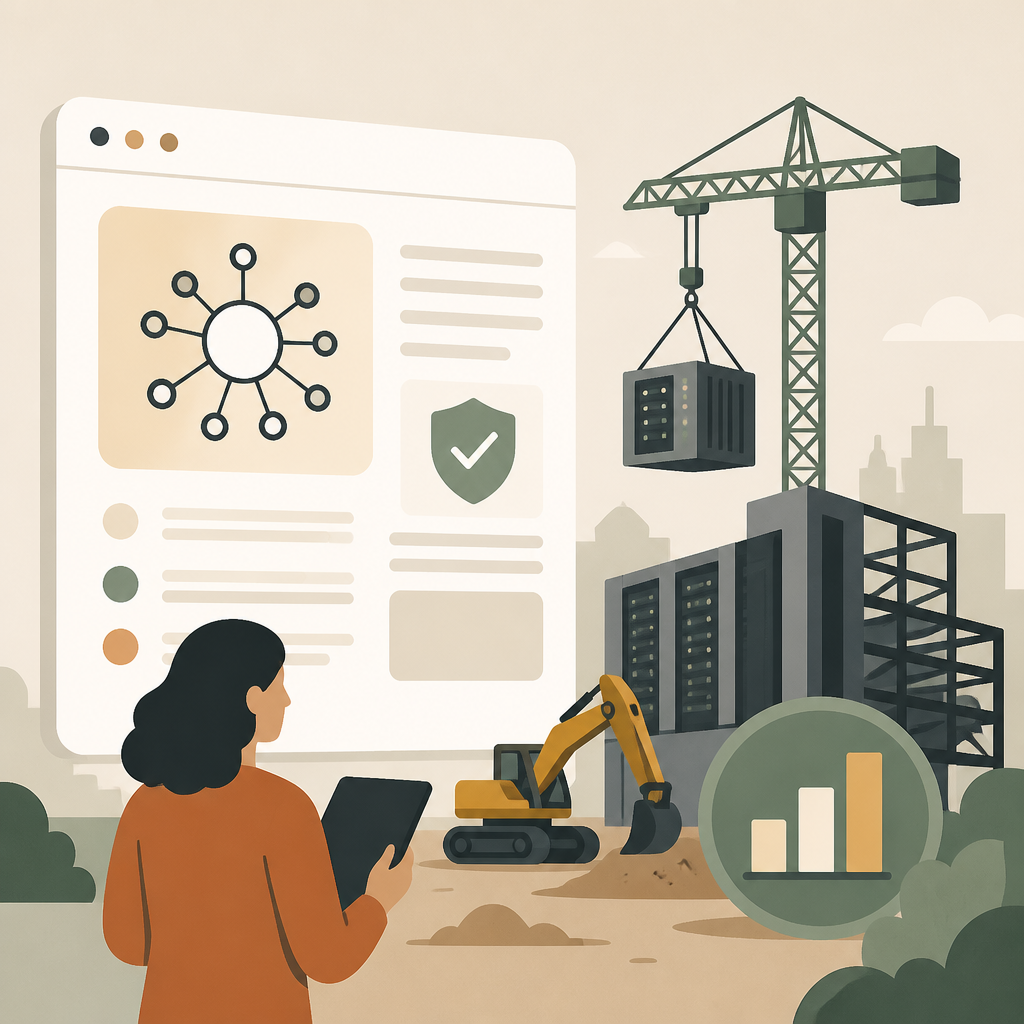
The company says policymakers need to move faster than existing rulemaking cycles because AI is advancing faster than institutions were built to handle. Its core argument is that governments, not AI vendors alone, should set the rules for high-risk systems, labor transition support, cross-border controls, and public-sector deployment.
- Companies should publish catastrophic-risk evaluations and safety-test summaries.
- Developers of the most capable models should face ongoing risk assessments and independent review.
- Advanced chips and semiconductor tools should be tightly controlled to limit authoritarian military and surveillance uses.
- AI-related grid costs should be paid by the companies building the data centers.
Anthropic says it already runs pre-deployment evaluations with the National Institute of Standards and Technology's Center for AI Standards and Innovation and the UK AI Security Institute. It also points to its own Responsible Scaling Policy and Transparency Hub as examples of the kind of disclosure it wants to see from other AI firms.
Why it matters
The brief is a signal to developers and regulators that AI policy is shifting from abstract safety talk to concrete operating rules: testing, disclosure, energy costs, and security controls. For builders, that could mean more mandatory reporting and more scrutiny around frontier model releases.
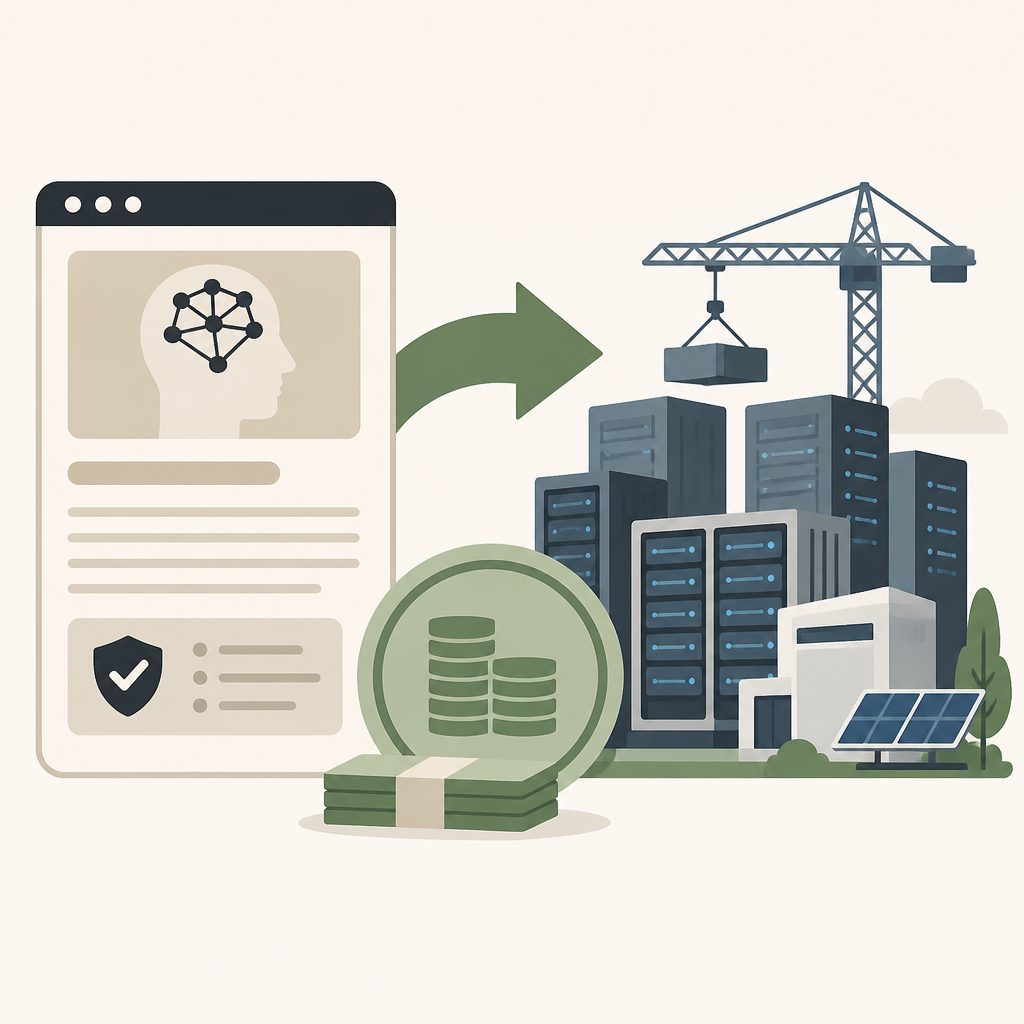
For the market, Anthropic is also making a case that AI growth will need heavy capital spending on power, chips, and data centers, with those costs pushed back onto the companies creating demand. That framing could shape debates over permitting, grid upgrades, and where new capacity gets built.
Anthropic is also drawing a line on deployment: it says Claude should not be used for censorship or disinformation, and it highlights child-safety controls, distress detection, and support routing as standard expectations. The message is less about one product update than a broader attempt to define what responsible frontier AI governance should look like.
The key question now is whether other AI labs and governments will adopt Anthropic’s mix of transparency, export controls, and infrastructure obligations, or push for a lighter touch.
// Related Articles
- [IND]
Millions Raised for Zhipu-style Social World Model
- [IND]
Anthropic’s Book Scanning Strategy Could Set a Pattern
- [IND]
Huang’s open-letter playbook for open-weight AI
- [IND]
32 firms back open-weight AI in DC letter
- [IND]
Huang usa il suo primo post su X per difendere l’IA aperta
- [IND]
Black Duck’s Coverity gets better at AI-era triage