Baya and Openchip are betting the future of AI silicon on data moveme…
Baya Systems and Openchip are right to treat interconnect and data movement as the center of next-gen AI silicon.

Baya Systems and Openchip are right to treat interconnect and data movement as the center of next-gen AI silicon.
Baya Systems’ partnership with Openchip is not just another IP licensing note; it is a reminder that the next wave of AI hardware will be won by companies that solve data movement first. Openchip is licensing Baya’s data-movement platform and Network-on-Chip fabric to build RISC-V-based, multi-chiplet intelligent compute systems, and that is the correct priority. In modern AI and HPC designs, raw compute is only half the problem. If the fabric cannot move data efficiently between memory, accelerators, and chiplets, the system stalls long before silicon reaches its theoretical peak.
Interconnect is now the product, not the plumbing
Get the latest AI news in your inbox
Weekly picks of model releases, tools, and deep dives — no spam, unsubscribe anytime.
No spam. Unsubscribe at any time.
The industry has spent years pretending that compute dominates everything, but the memory wall keeps proving otherwise. Baya’s pitch is blunt: treat interconnect as an afterthought and you inherit bottlenecks, thermal waste, and poor scale. That is not theory. Every major AI accelerator program now lives or dies by the quality of its data path, because feeding thousands of matrix operations means nothing if the architecture cannot keep the pipeline full.

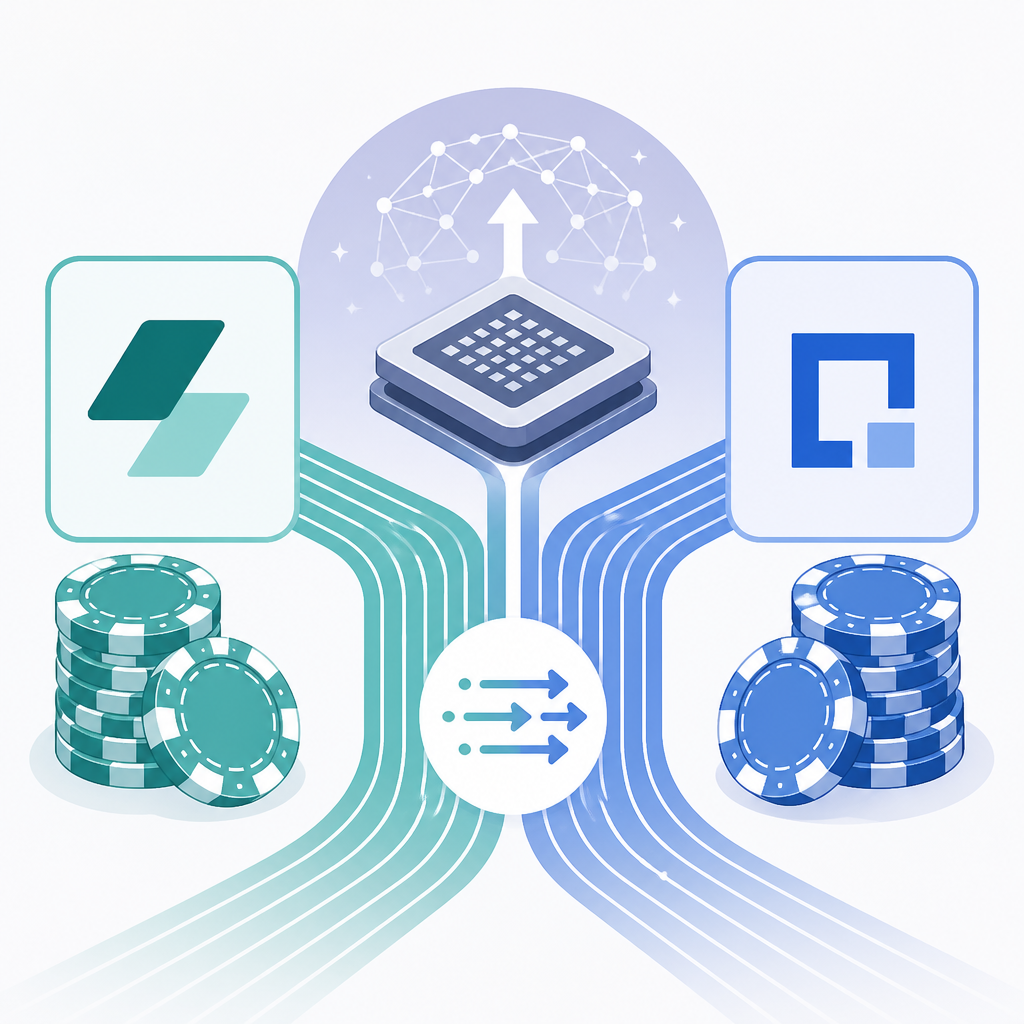
A concrete example is the shift toward chiplet-based systems. Once a design splits across multiple dies, the fabric becomes the system’s nervous system. Baya’s WeaverPro FabricStudio and WeaveIP are aimed at modeling and validating that nervous system before tape-out, which is exactly where the work belongs. Designing the interconnect late is how teams burn budgets on silicon respins and still miss performance targets.
RISC-V makes this partnership strategically sharper
The Openchip angle matters because RISC-V changes the economics of customization. The article’s emphasis on open, flexible architecture is not marketing fluff; it is the operating logic for companies that want tailored accelerators without proprietary royalty drag. Openchip is building for highly specific AI workloads, and that kind of specialization is far easier when the instruction set and system architecture are not locked behind a vendor’s commercial gate.
There is also a geographic and competitive dimension here. Openchip is scaling from Barcelona across Europe, while Baya is expanding its footprint with a UK office and plans for an EU presence. That matters because Europe wants more control over strategic compute infrastructure, and RISC-V offers a path to that independence. A partnership like this is not just about performance. It is about creating a design stack that European teams can own, adapt, and ship without waiting for a U.S. platform vendor to decide what comes next.
The counter-argument
The strongest objection is that this is still an ecosystem bet, and ecosystem bets are dangerous. Proprietary architectures already have mature toolchains, proven software stacks, and broad developer familiarity. In that world, a company like Openchip risks spending precious time on integration, validation, and software portability instead of shipping product. For buyers who need certainty, the established vendors still look safer.
There is also a legitimate concern that chiplet and fabric complexity can become its own trap. More modularity can mean more interfaces, more verification burden, and more chances for latency to creep in. If the software stack is not ready, an elegant interconnect story can collapse into a hardware showcase with weak real-world adoption.
That counter-argument is real, but it does not defeat the partnership. It defines the discipline required to make it work. Baya and Openchip are not claiming that openness alone wins; they are using software-driven fabric design to reduce risk before silicon exists. That is the right answer to complexity, not denial of it. The alternative is to keep betting on fixed architectures and hope they remain flexible enough for workloads that are changing faster than the old playbook can absorb.
What to do with this
If you are an engineer, stop treating interconnect as a late-stage implementation detail and start validating data movement at the architecture level. If you are a PM, judge AI silicon plans by how early they model memory traffic, chiplet boundaries, and PPA tradeoffs. If you are a founder, take the lesson seriously: in next-gen compute, the winning product is not just the fastest core, but the system that keeps data flowing with the least friction.
// Related Articles