Cloudflare’s design partner program is a smart security wedge
Cloudflare’s design partner program is a smart way to pull security buyers into its platform.

Cloudflare’s design partner program is a smart way to pull security buyers into its platform.
Cloudflare’s design partner program is not a side project; it is the right move for a company trying to turn security modernization into platform adoption. The reported goal is straightforward: help businesses move off existing security systems and onto Cloudflare’s stack, with Arctiq pairing Cloudflare One with its own cybersecurity, networking, and cloud services expertise to drive Zero Trust and SASE rollouts.
It turns a product pitch into a migration plan
Get the latest AI news in your inbox
Weekly picks of model releases, tools, and deep dives — no spam, unsubscribe anytime.
No spam. Unsubscribe at any time.
Security buyers do not wake up and decide to “buy a platform.” They decide to replace a brittle VPN, reduce firewall sprawl, or simplify access control. A design partner program fits that reality because it gives Cloudflare a reason to show up at the exact moment a customer is already budgeting for change. In enterprise security, timing matters as much as features.
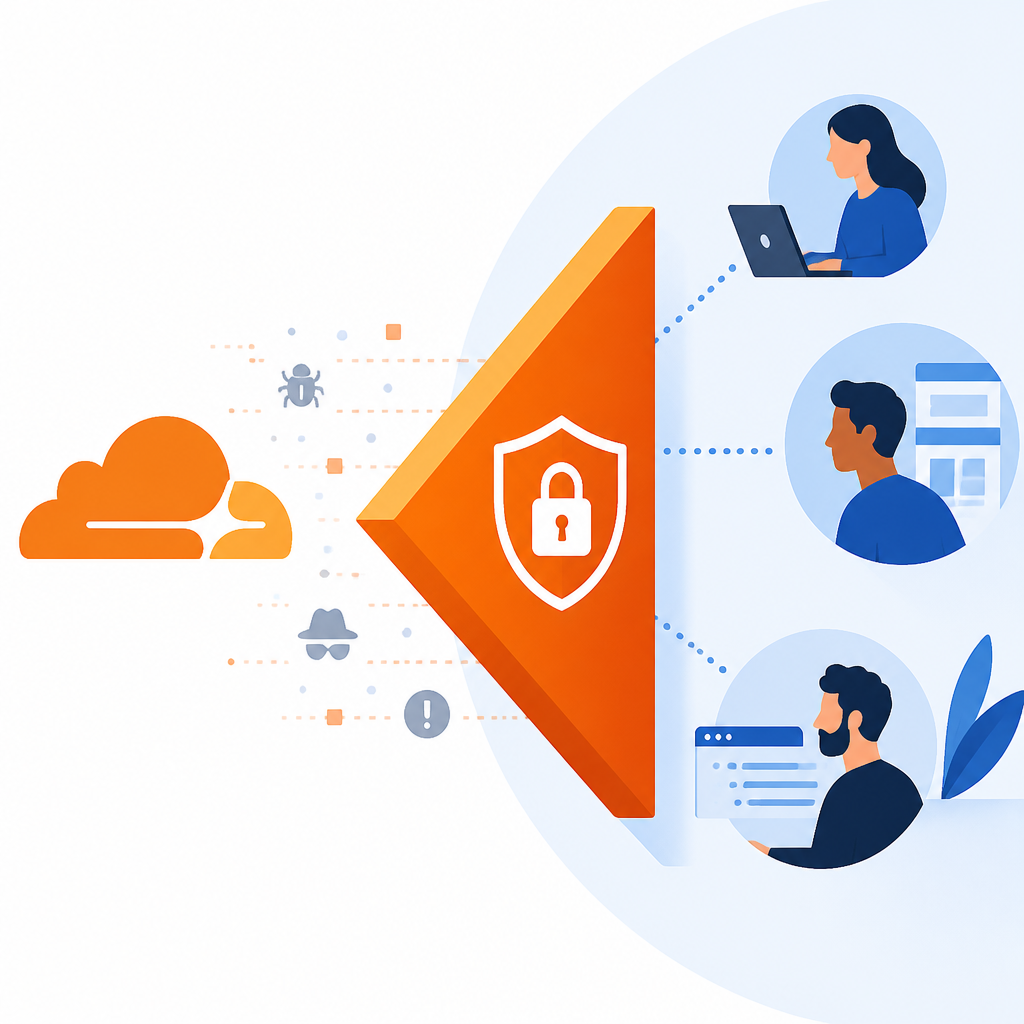
The best proof is how often security platforms win through implementation help, not product brochures. Zero Trust and SASE are not just feature sets; they are architecture shifts with identity, policy, routing, and user experience consequences. By formalizing partners like Arctiq, Cloudflare lowers the perceived risk of switching and makes adoption feel operational rather than experimental.
It strengthens Cloudflare’s position against entrenched incumbents
Security vendors with the deepest moats are rarely the ones with the flashiest launch. They are the ones that become embedded in deployment workflows. A design partner program gives Cloudflare a channel into those workflows, especially where customers want a single vendor to coordinate networking and security across distributed teams. That is where Cloudflare One has a real strategic advantage.
Consider the market context: buyers evaluating Zero Trust often compare point tools from legacy security vendors against integrated platforms that promise fewer handoffs. If Cloudflare can repeatedly prove that its partners can implement faster and with less friction, it shifts the battle away from feature parity and toward execution quality. That is a better fight for Cloudflare, because execution is where platform companies compound.
The counter-argument
The strongest objection is that partner-led programs can dilute the product story. If customers need consultants to make the platform work, critics will say the platform is too complex or not mature enough. There is also a real risk that Cloudflare hands too much of the customer relationship to partners, which can blur accountability when deployments stall or security outcomes disappoint.
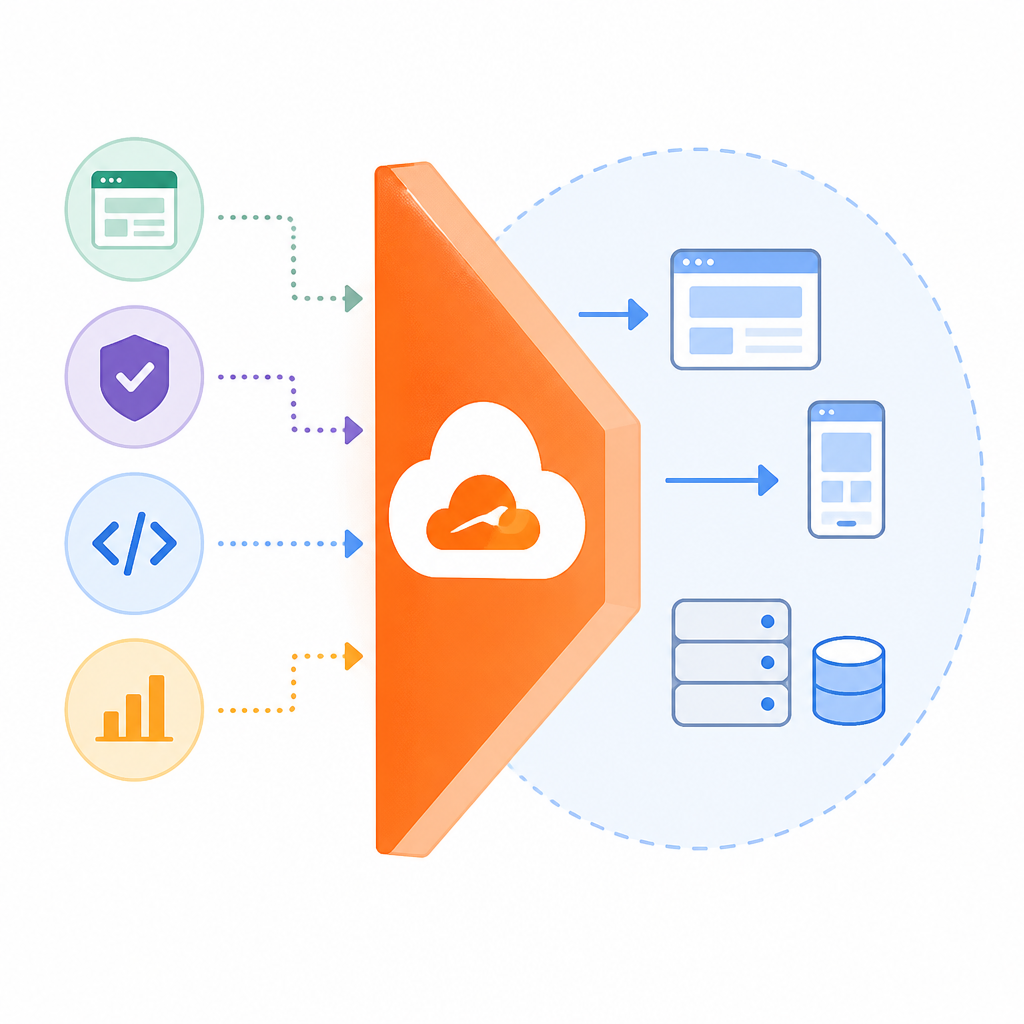
That criticism is serious, but it does not beat the strategy. Enterprise security is already services-heavy, especially during migration from legacy systems to Zero Trust and SASE. The question is not whether customers need help; they do. The question is whether Cloudflare controls that help with a repeatable program or leaves it to ad hoc implementation chaos. A design partner program is the cleaner answer because it standardizes the path to adoption and keeps Cloudflare at the center of the transition.
What to do with this
If you are a founder or product leader, treat this as a reminder that platform wins are often won in implementation, not in demos. Build partner motions that reduce migration pain, document the path from legacy stack to new stack, and make services a first-class part of the go-to-market plan. If you are an engineer or PM inside a security company, optimize for deployment repeatability, because the vendor that makes change easier usually wins the account.
// Related Articles
- [IND]
X posts let execs shape the AI story
- [IND]
Jensen Huang’s AGI definition lowers the bar
- [IND]
Claude’s 2026 limit changes are a capacity story, not a product story
- [IND]
SSI's $5 Billion Backing Proves AI Safety Is a Product Strategy
- [IND]
A rogue AI agent slipped into a real cyberattack
- [IND]
The Pentagon should stop marketing AI with battlefield language