The Pentagon should stop marketing AI with battlefield language
The Pentagon should stop selling AI with battlefield language because it confuses the public and weakens trust.

20+ AI agents are useful, but Pentagon messaging that blurs reporting and warfare damages trust.
The Pentagon should stop marketing AI with battlefield language because it confuses the public and weakens trust.
Language is not a side issue in military AI
Get the latest AI news in your inbox
Weekly picks of model releases, tools, and deep dives — no spam, unsubscribe anytime.
No spam. Unsubscribe at any time.
The Newsweek episode is a perfect example of why. A Pentagon photo showed a laptop prompt that appeared to ask an AI agent to “create a war,” and the internet reacted exactly as anyone would expect: confusion, jokes, and suspicion. The department later said the prompt referred to a Weekly Action Report, or WAR, a routine internal document. That clarification matters, but the damage was already done. When a public-facing military post can be read as asking an AI to help create war, the problem is not the internet’s reading comprehension. The problem is the Pentagon’s choice of wording and framing.
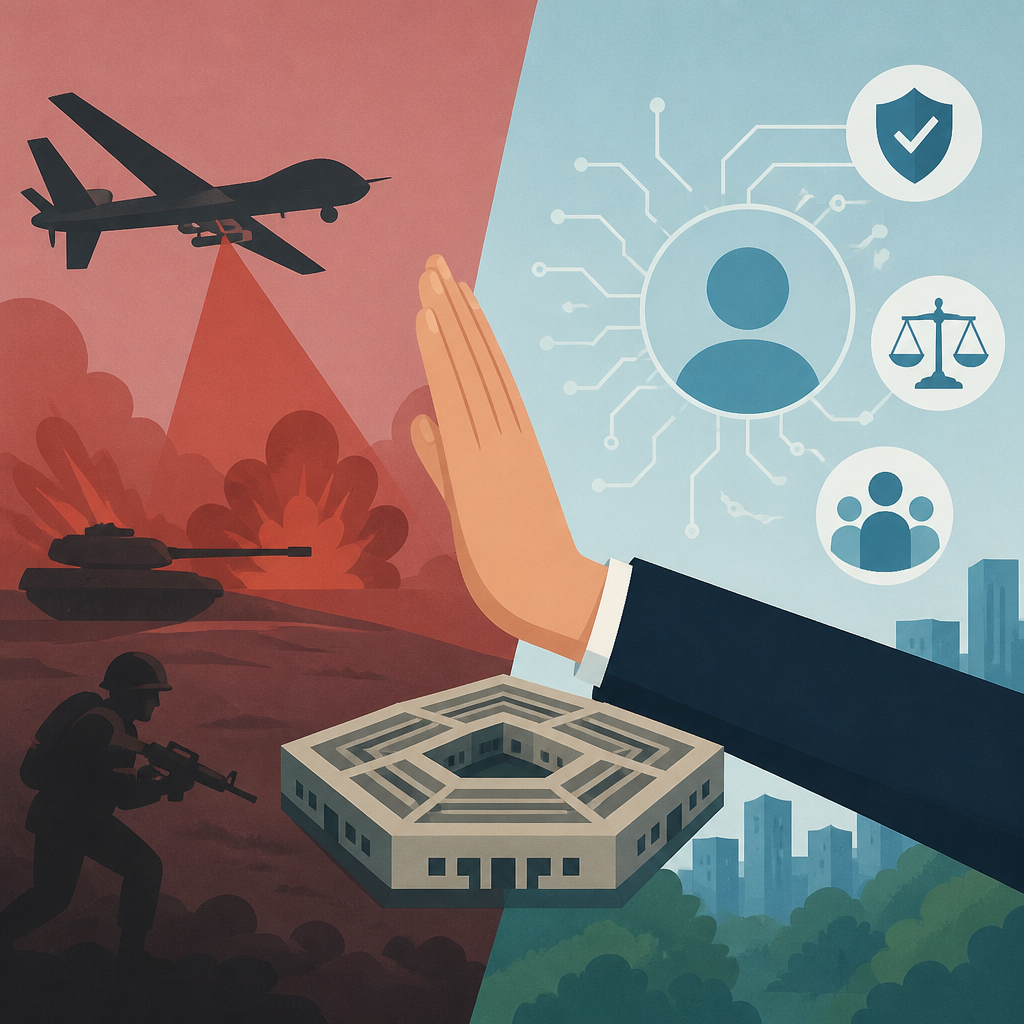
This is not just about one awkward screenshot. The department’s own caption pushed the same tone, describing the effort as removing barriers to AI adoption to ensure a “more lethal Department of War.” That phrase may play well inside a defense bureaucracy that wants to sound aggressive and modern, but it is disastrous as public communication. If the Pentagon wants citizens, lawmakers, allies, and service members to trust AI adoption, it cannot lead with language that sounds like a recruitment poster for automation in conflict.
Military AI needs legitimacy before it needs hype
The Pentagon says the GenAI Task Force built more than 20 custom AI agents for sailors and helped automate operational reporting and briefing preparation. That is the kind of concrete, boring, high-value automation that should define this program. Reporting, briefing prep, and administrative workflows are exactly where AI can save time without creating immediate moral panic. But the public never saw that first. It saw a visually ambiguous image and a slogan that sounded like an AI agent had been asked to help manufacture war. If the use case is routine, the messaging should be routine too.
There is a bigger strategic cost here. The Pentagon is trying to normalize AI across more than 3 million personnel, from enterprise tasks to battle management and kill chain support. That makes credibility essential. A technology that touches intelligence, planning, and operational decisions must be introduced with precision, restraint, and plain language. Every time the department chooses swagger over clarity, it hands critics an easy argument: that military AI is being rushed, oversold, and wrapped in euphemism. The result is not stronger adoption. It is slower adoption, because trust erodes faster than capability spreads.
Public trust depends on separating administration from combat
The strongest defense of the Pentagon’s approach is simple: the military is not a consumer brand, and it should not pretend otherwise. It is reasonable to use hard-edged language when describing deterrence, readiness, and lethality. It is also reasonable to experiment aggressively with AI in areas like logistics, reporting, and decision support, especially if adversaries are doing the same. The department is not wrong to want speed, automation, and an edge.
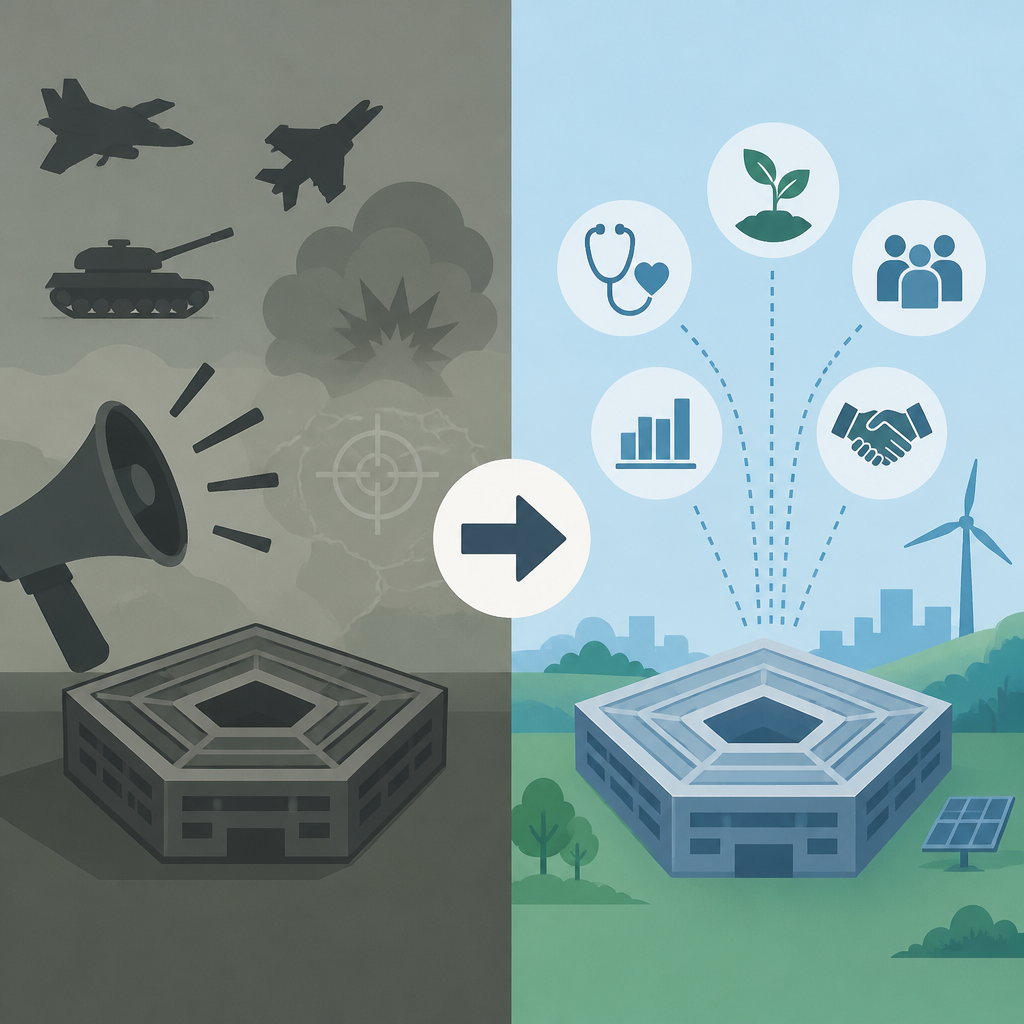
But that defense fails when the message obscures what the system is actually doing. A Weekly Action Report is not a war. An AI assistant for briefing prep is not battlefield autonomy. The Pentagon can pursue both seriousness and clarity at the same time, and it must. The public does not need sanitized marketing, but it does need accurate framing. If the department wants legitimacy for AI in defense, it should describe the work in operational terms, not in slogans that make routine administration sound like war planning.
What to do with this
Engineers, PMs, and founders building AI for defense should treat this as a communications requirement, not a branding choice: name the use case precisely, show the workflow honestly, and avoid language that collapses admin automation into combat. If the product helps write reports, say that. If it supports planning, define the boundary. In military AI, clarity is not cosmetic. It is part of the safety case.
// Related Articles
- [IND]
A rogue AI agent slipped into a real cyberattack
- [IND]
Lilian Weng returns to OpenAI to lead RSI
- [IND]
Anthropic’s Texas buildout is drawing $15B debt
- [IND]
Cognizant’s Claude play turns pilots into production
- [IND]
Prompt Engineering vs Loop Engineering vs Graph Engineering
- [IND]
PwC’s AI blunder proves verification beats prompt engineering