Codex 0.139.0 adds web search and cleaner tooling
Codex 0.139.0 adds standalone web search, richer tool schemas, and fewer TUI and sandbox bugs.
Codex 0.139.0 adds web search, richer tool schemas, and fewer TUI and sandbox bugs.
OpenAI’s latest Codex release, 0.139.0, focuses on making agent workflows more capable and less error-prone. It ships with 151 assets and several fixes that reduce friction in the terminal, sandbox, and plugin flow.
| Item | Main gain | Notable detail |
|---|---|---|
| Code mode web search | New capability | Standalone search calls can return plaintext results |
| Tool schemas | Compatibility | Preserves oneOf and allOf, keeps large schemas shallower |
| codex doctor | Diagnostics | Includes editor and pager environment details |
| Plugin marketplace | Discovery | Shows source in JSON and can use cached catalog first |
| Sandbox and TUI fixes | Reliability | Better resume, fork, URL linkifying, and proxy handling |
1. Code mode web search
Get the latest AI news in your inbox
Weekly picks of model releases, tools, and deep dives — no spam, unsubscribe anytime.
No spam. Unsubscribe at any time.
The headline feature is direct web search from code mode, including nested JavaScript tool calls. That matters for agents that need current facts without bouncing through a separate workflow or losing the result format along the way.

This is not just a convenience add-on. The release notes say search returns plaintext results, which makes downstream parsing simpler for prompts, tools, and follow-up actions.
- Release: 0.139.0
- Change: standalone web search in code mode
- Works from nested JavaScript tool calls
- Output: plaintext search results
2. Richer tool input schemas
Codex now preserves oneOf and allOf in tool input schemas, which should help it talk to MCP tools that rely on more expressive JSON Schema shapes. Large schemas also keep a shallower structure when compacted, reducing the chance that important nesting gets flattened away.
For teams building connectors or agent tooling, this is the sort of change that quietly lowers integration pain. It does not change the user interface, but it can make a big difference when tools fail because the schema got simplified too aggressively.
- Preserves
oneOfandallOf - Improves compatibility with richer MCP tools
- Keeps large schemas more shallow after compaction
- Relevant to tool authors and connector maintainers
3. Better diagnostics in codex doctor
The codex doctor command now reports editor and pager environment details in the local report. At the same time, JSON output redacts raw values, so the extra visibility does not expose the exact environment data by default.
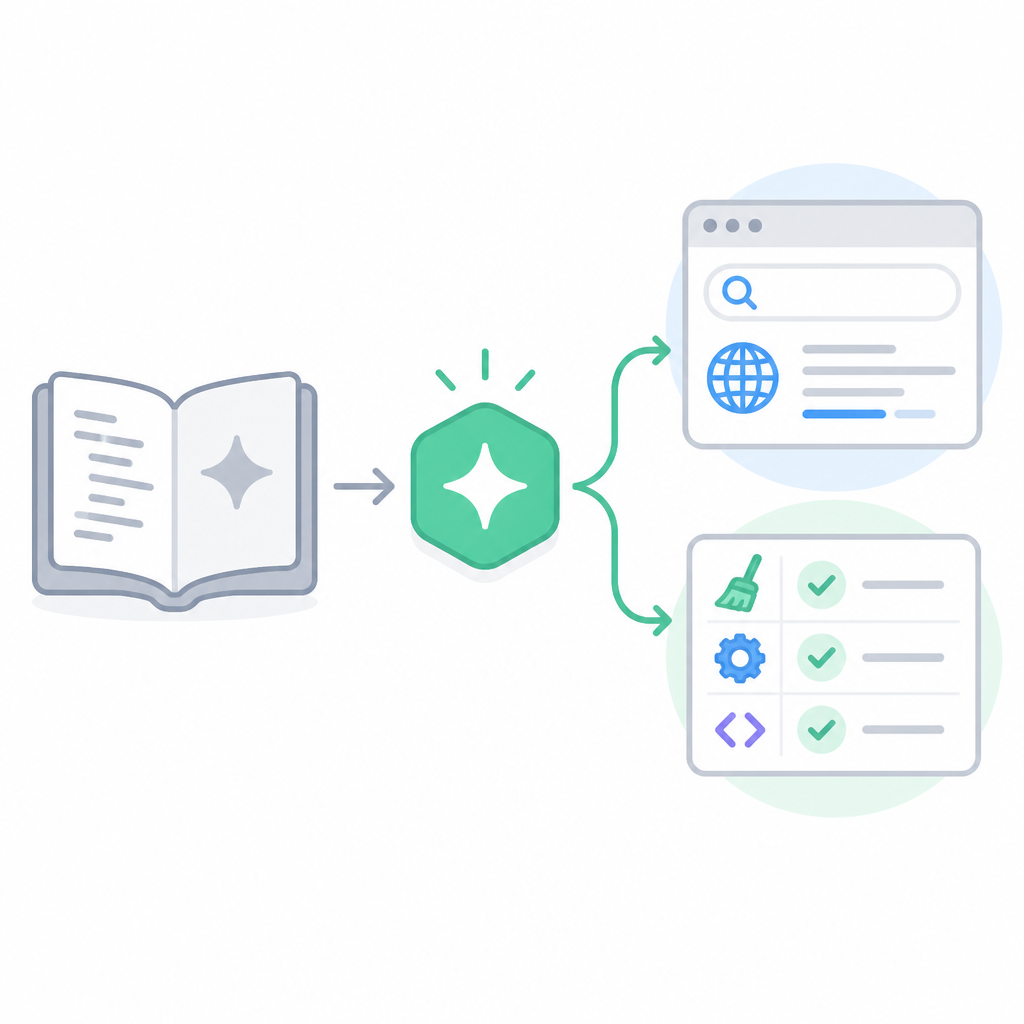
That combination helps support debugging without making logs noisy or risky. If you have ever tried to reproduce a terminal issue and found the editor or pager setup missing from the report, this fix fills in a useful gap.
codex doctor
codex doctor --json
4. Plugin marketplace flow
The plugin marketplace got two practical upgrades: codex plugin marketplace list --json now includes each marketplace source, and plugin lists can return from a cached remote catalog before refreshing in the background. That means faster feedback and more context in the data you inspect.
For people managing multiple plugin sources, source visibility matters. It makes it easier to tell where an entry came from, whether a cached result is being used, and what should be refreshed next.
--jsonoutput includes marketplace source- Cached remote catalog can return first
- Background refresh happens after the initial result
- Useful for plugin operators and CI checks
5. TUI and sandbox fixes
The release also cleans up a cluster of terminal and sandbox issues. Resume and fork now treat the trailing argument as the initial prompt, subagent startup warnings stay in the right thread, and image edits use the exact referenced file paths instead of guessing from conversation history.
There are smaller but welcome fixes too: bare URLs with tildes linkify correctly, thread resets keep cloud-managed requirements and feature flags, and sandbox execution preserves approved escalation decisions while enforcing proxy-only networking more consistently.
codex resume --lastandcodex fork --lastnow read prompts correctly- Subagent startup warnings stay in the owning thread
- Image edits use referenced file paths
- Sandbox approval and proxy settings are preserved more reliably
How to decide
If you build on Codex as an agent platform, the web search and schema changes are the most important. They expand what the tool can do and what kinds of MCP integrations it can support. If you mostly use the TUI, the resume, fork, link, and sandbox fixes will be the day-to-day wins.
For operators and maintainers, the best reason to update is the mix of better diagnostics and more predictable plugin behavior. This release is less about a single flashy feature than about making the system easier to trust in real use.
// Related Articles
- [IND]
Musk’s Grok Imagine bets big on an Odyssey film
- [IND]
Rust 661’s best releases for builders this week
- [IND]
Deepwoken’s Second Layer hides Ethiron below Scyphozia
- [IND]
AMD is right to use Anthropic to break CUDA’s grip
- [IND]
AI Weekly: 2026-07-20 ~ 2026-07-27
- [IND]
WAIC 2026 turns AI hype into real work