Deepwoken’s Second Layer hides Ethiron below Scyphozia
Deepwoken’s Second Layer adds a wind-filled Depths zone, Ethiron’s chamber, and a coded library path below Scyphozia.

Deepwoken’s Second Layer is a wind-filled Depths zone built around Ethiron’s chamber and a hidden Kyrsan city.
Deepwoken’s Second Layer sits below Scyphozia in The Depths, and it packs a lot of lore into a small space. The area centers on the Drowned God Ethiron, a Kyrsan-made shrine, and a city built directly above his resting chamber. It also hides a library with a fixed access code: 1 2 1 2 2 2 1 2 3 1 4 2 3 1.
| Detail | Value |
|---|---|
| Setting | Part of The Depths, below Scyphozia |
| Main figure | Ethiron, the Drowned God |
| Access code | 1 2 1 2 2 2 1 2 3 1 4 2 3 1 |
| Known builders | The Kyrsans |
| Access routes | Three different entry methods |
A Depths zone built around one god
Get the latest AI news in your inbox
Weekly picks of model releases, tools, and deep dives — no spam, unsubscribe anytime.
No spam. Unsubscribe at any time.
The Second Layer is not a random dungeon extension. It is a lore-heavy pocket of Scyphozia where the environment, architecture, and enemy setup all point back to Ethiron. The wiki describes it as wind-based, which matters because the area feels less like a buried ruin and more like a place shaped by hostile forces moving through it.
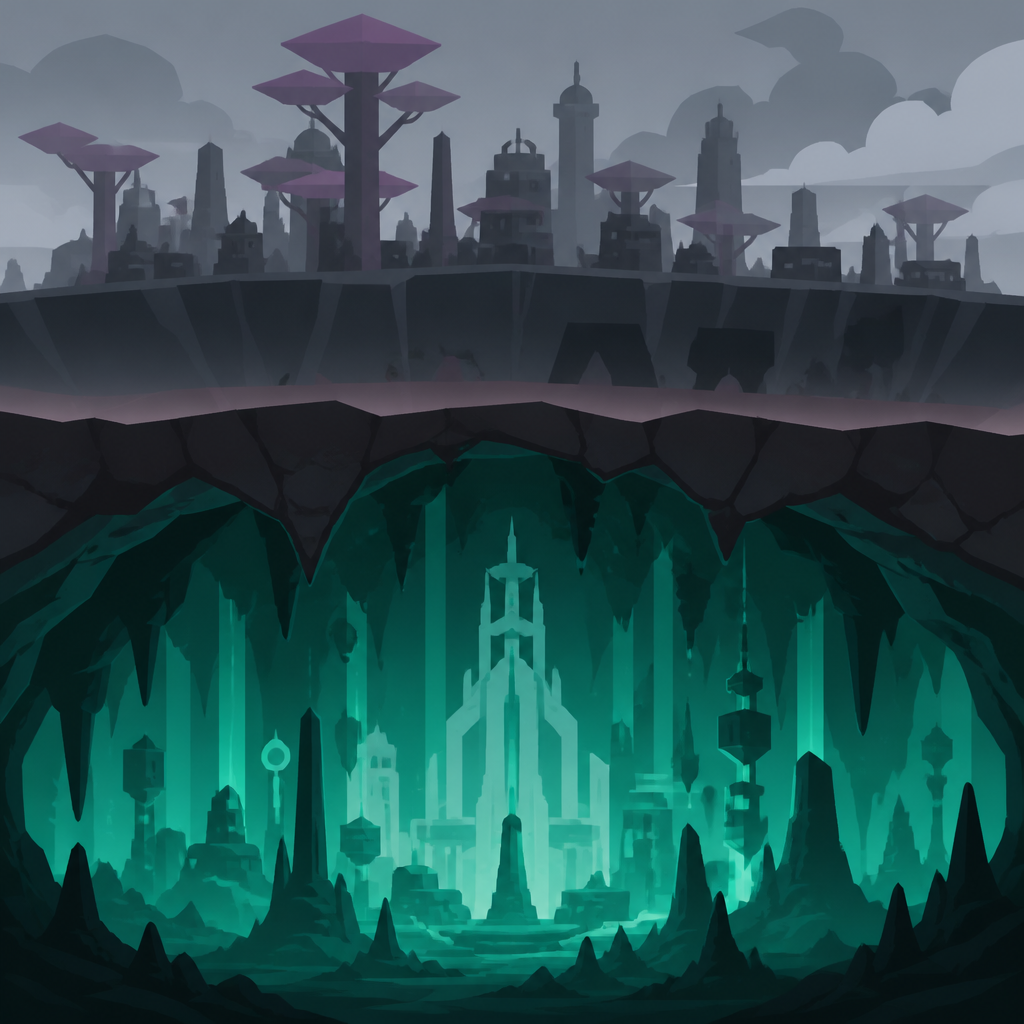
That focus on one figure gives the zone a cleaner identity than a lot of game zones that pile on unrelated set dressing. If you are reading the area as worldbuilding, the message is simple: this is Ethiron’s territory first, and everything else is built around that fact.
The shrine’s Kyrsan origin also matters. The Kyrsans are not just background lore here; they are the builders, which means the area ties into older history rather than a recent event. That kind of layering is what makes Deepwoken lore stick, because it rewards players who care about who built what and why.
- Wind-based layer below Scyphozia
- Home to Ethiron and his puppet
- Includes a Kyrsan shrine and city
- Library access depends on a fixed code
The city sits on top of Ethiron’s chamber
The most interesting detail in the source is the city’s placement. The city sits right below the shrine and directly on Ethiron’s resting chamber, which means the whole structure reads like a deliberate stack of sacred space, civic space, and buried threat. That is a strong visual idea, and it gives the Second Layer a sense of vertical tension that most zones never get.
This arrangement also changes how you think about the place. A city built over a god is already dramatic, but a city built over a resting chamber suggests containment, reverence, or denial. The lore does not spell out every motive, which is part of the appeal.
“The city’s library has a distinct code in order to access it, being 1 2 1 2 2 2 1 2 3 1 4 2 3 1.” — Deepwoken Wiki
That code is the kind of detail that signals a game world built for players who like secrets with rules. It is not just flavor text. It is a practical gate that tells you the area rewards memory, note-taking, and community sharing.
For players, that matters because a code like this changes how information spreads. One person finds it, another verifies it, and soon the whole server knows where the library sits and how to open it. That social layer is part of the experience, even if the zone itself is the headline.
Three access routes shape how players approach it
The article says the Second Layer can be reached in three different ways, and that is important because access design changes player behavior. The safest option is the recommended one through Castle Light, which tells you the game is already signaling risk management before you even enter the area.
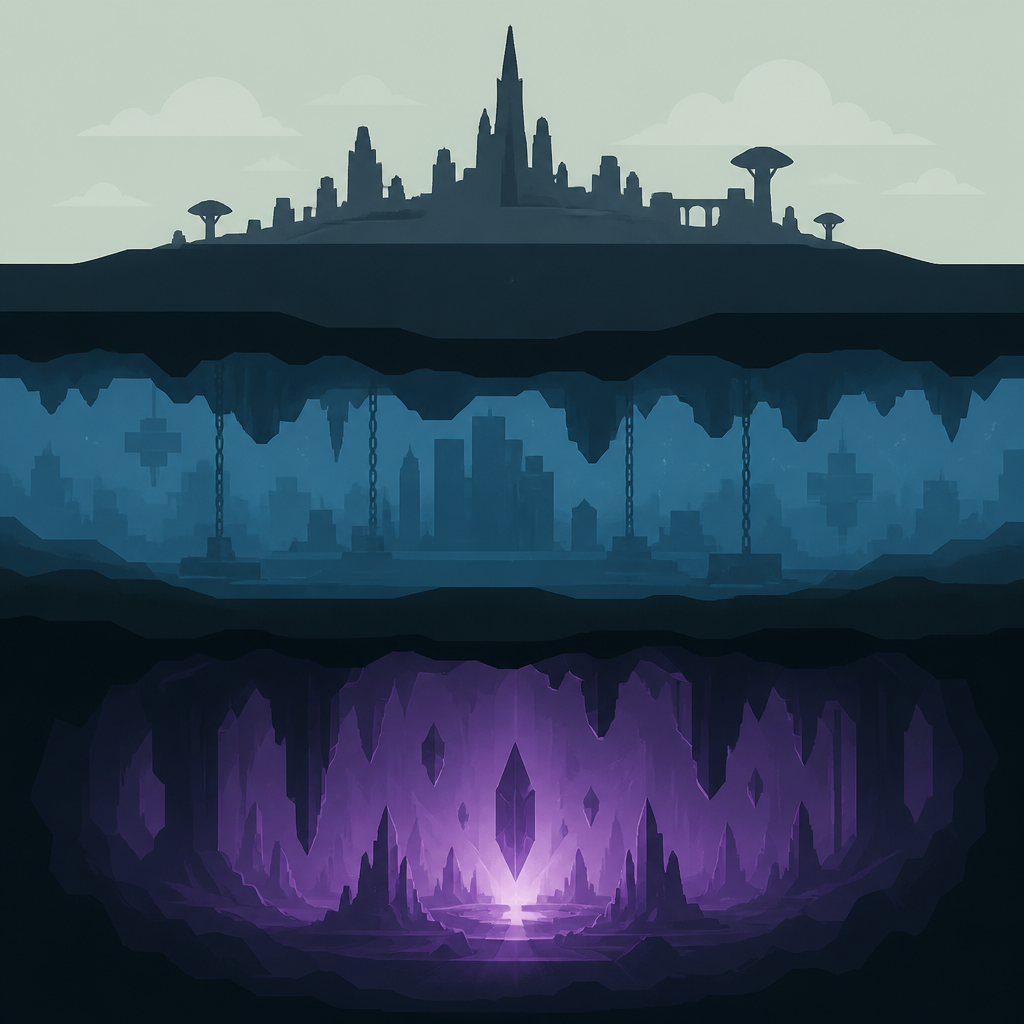
Even without the full list of routes in the source excerpt, the number of entry paths tells a clear story. Deepwoken does not treat the Second Layer like a single hallway with one correct answer. It gives players multiple ways in, which usually means tradeoffs between safety, speed, and how much trouble you are willing to accept.
- Castle Light is the safest recommended route
- There are three entry methods total
- Route choice likely affects risk and travel time
- Access design encourages player planning
That kind of structure is especially useful in a game like Deepwoken, where the world often punishes casual movement. When a zone gives you options, players start comparing them immediately: which route is fastest, which one preserves resources, and which one is least likely to end in a wipe.
If you want a broader comparison, this is the same design logic that makes hidden zones memorable in other deep-lore games. The route itself becomes part of the story, not just the way to reach it. That is why access rules matter as much as the boss or the loot.
Why this layer matters to lore readers and explorers
The Second Layer matters because it connects environmental design, secret codes, and mythology in one place. Ethiron gives it a central figure, the Kyrsans give it historical weight, and the city plus library give players concrete things to investigate. That combination is what turns a map location into a lore destination.
It also gives the Depths a stronger internal structure. Instead of feeling like a single underground zone, the area now has tiers, institutions, and a hidden administrative logic. The library code is a small detail on paper, but in practice it is the sort of thing that gets shared in guides, Discord channels, and wiki edits for weeks.
For players who care about route efficiency, the practical takeaway is straightforward: use the safest Castle Light path unless you have a specific reason to take another route. For lore readers, the better question is what the Kyrsans were trying to accomplish by building a shrine and city around Ethiron’s resting place.
The most useful prediction here is simple: the Second Layer will keep producing player-made maps, route notes, and lore breakdowns as long as Deepwoken keeps hiding details behind codes and layered access. That is exactly the kind of content structure that keeps a zone alive after the first clear.
Related reading: our Depths guide and why Roblox RPG worldbuilding works.
// Related Articles
- [IND]
AMD is right to use Anthropic to break CUDA’s grip
- [IND]
AI Weekly: 2026-07-20 ~ 2026-07-27
- [IND]
WAIC 2026 turns AI hype into real work
- [IND]
KPMG’s OpenAI deal turns SaaS into agents
- [IND]
Trump adviser accuses Moonshot AI of stealing Anthropic
- [IND]
Vector databases will reshape financial search, not replace core syst…