Cursor Teams pricing adds $96 Premium seat
Cursor is splitting Teams usage pools, adding a $96 Premium seat, and rebuilding admin alerts to make AI spend easier to forecast.

Cursor updated Teams pricing with separate usage pools, a $96 Premium seat, and new admin controls.
Cursor is rolling out a new Teams pricing model that takes effect immediately for new customers and on July 1, 2026 for renewing customers on those billing cycles. The update splits usage into separate pools for Cursor’s own models and third-party APIs, while adding a higher-capacity Premium seat for heavier users.
| 項目 | 數值 |
|---|---|
| Standard seat | $32/month annual, $40 monthly |
| Premium seat | $96/month annual, $120 monthly |
| Premium vs. Standard usage | 5x included usage |
| Pricing rollout | Immediate for new customers; July 1, 2026 for renewals |
What changed
Get the latest AI news in your inbox
Weekly picks of model releases, tools, and deep dives — no spam, unsubscribe anytime.
No spam. Unsubscribe at any time.
Each Teams seat now includes two distinct allowances: one for “Composer and Auto,” Cursor’s first-party models, and one for third-party API usage. Cursor says the split is meant to make billing easier to track and reduce surprise overages when teams mix in-house model use with outside APIs.

The company also introduced Composer 2.5, which it says delivers frontier-model performance at a lower cost. That gives teams another way to control spend without cutting back on agent use, especially for workflows that rely on Cursor’s own models rather than external providers.
- Standard seat pricing: $32 per month on annual plans, or $40 month-to-month.
- Premium seat pricing: $96 per month on annual plans, or $120 month-to-month.
- Premium seat usage: five times the included usage of a Standard seat.
- Admin dashboard: real-time usage visibility for both usage pools.
- Spend alerts: dollar thresholds with Slack or email notifications.
For teams with heavy usage, the new Premium seat is the main pressure valve. Cursor says it is designed to cover a full month of intensive agent use for most power users, which should reduce the need for ad hoc top-ups or constant plan changes.
Why it matters
This is a pricing change, but it also changes how teams manage AI spend. By separating model usage and adding real-time admin controls, Cursor is moving closer to software budgets that finance teams can forecast instead of react to after the bill arrives.
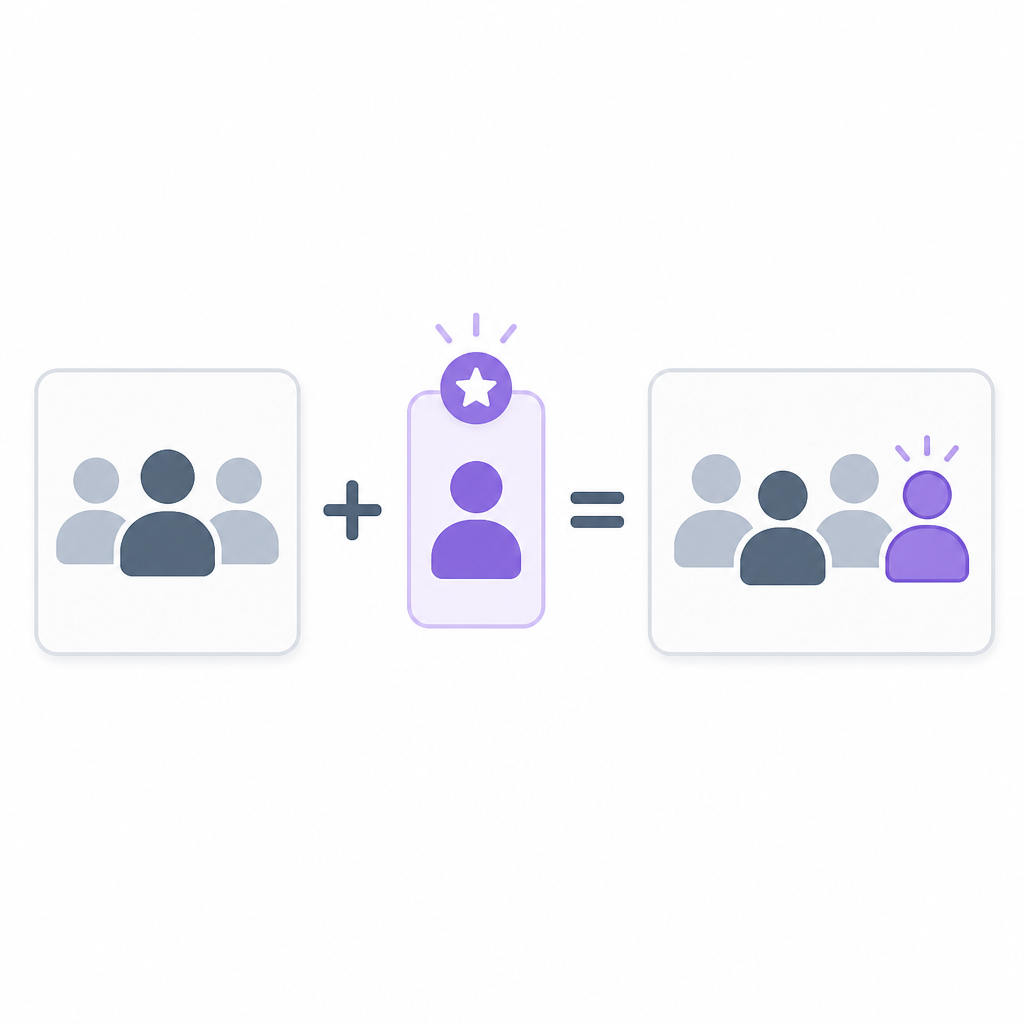
It also reflects a broader shift in developer tools pricing: vendors are moving away from flat seat economics and toward usage-based controls that map better to actual consumption. For engineering teams, that means more visibility, but also more pressure to monitor which workflows burn through included capacity.
The practical question for customers is simple: do they want cheaper standard seats with tighter usage tracking, or a smaller number of Premium seats for power users? Cursor’s answer is to give admins the tools to mix both.
// Related Articles
- [TOOLS]
VDBBench adds cost to vector DB comparisons
- [TOOLS]
Zilliz Adds Cost Metrics to VDBBench
- [TOOLS]
Pixel 11 launch highlights and new Gemini features
- [TOOLS]
AWS Continuum turns AI coding into safer fixes
- [TOOLS]
Open-Generative-AI turns GitHub into a studio
- [TOOLS]
Why benchmark scores don’t predict your bill