Denver hailstorm turns roads into a damage checklist
A BBC hailstorm clip becomes a practical field checklist for spotting damage, documenting impact, and writing a tight severe-weather summary.

I turned a BBC hailstorm clip into a field checklist for damage, reporting, and cleanup.
I've been using short weather clips as writing exercises for a while now. Most of them are fine, but this one from the BBC felt annoyingly useful because it’s so simple: hail, wind, rain, traffic, airport delays, done. And that’s exactly why it’s worth breaking down. When a storm like this hits Denver, the raw footage does not give you a neat explainer. It gives you a mess of clues. Cars getting pelted. Homes taking hits. Roads slowing down. People trying to figure out whether the dent in the hood is cosmetic or a real repair bill.
That’s the part I keep coming back to. I don’t want a dramatic weather headline that just repeats itself. I want a framework I can use to describe what happened, what got damaged, and what to check next. The BBC clip on Denver’s hailstorm gives me that. It’s a clean little case study in how to translate a chaotic event into a useful report without over-writing it.
And honestly, that’s the skill here. Not “wow, big hail.” I already know that. It’s figuring out how to turn a storm video into something a reader can actually act on.
The source is a BBC News video post, and the key facts are plain: strong winds, heavy rain, hailstones said to be the size of golf balls, disruption on roads, and delays at Denver International Airport. The clip is short, but the reporting angle is clear enough to build from.
Start with the damage, not the drama
Get the latest AI news in your inbox
Weekly picks of model releases, tools, and deep dives — no spam, unsubscribe anytime.
No spam. Unsubscribe at any time.
Strong winds, heavy rain and hailstones the size of golf balls hammered Denver, Colorado during a major hailstorm on Monday.
What this actually means is: don’t start by telling me it was “intense” or “wild.” Start with the physical effect. Hail is a damage story before it is a weather story. If the stones are golf-ball sized, I immediately think about broken glass, dented metal, roof damage, and whether people had enough warning to get cars under cover.
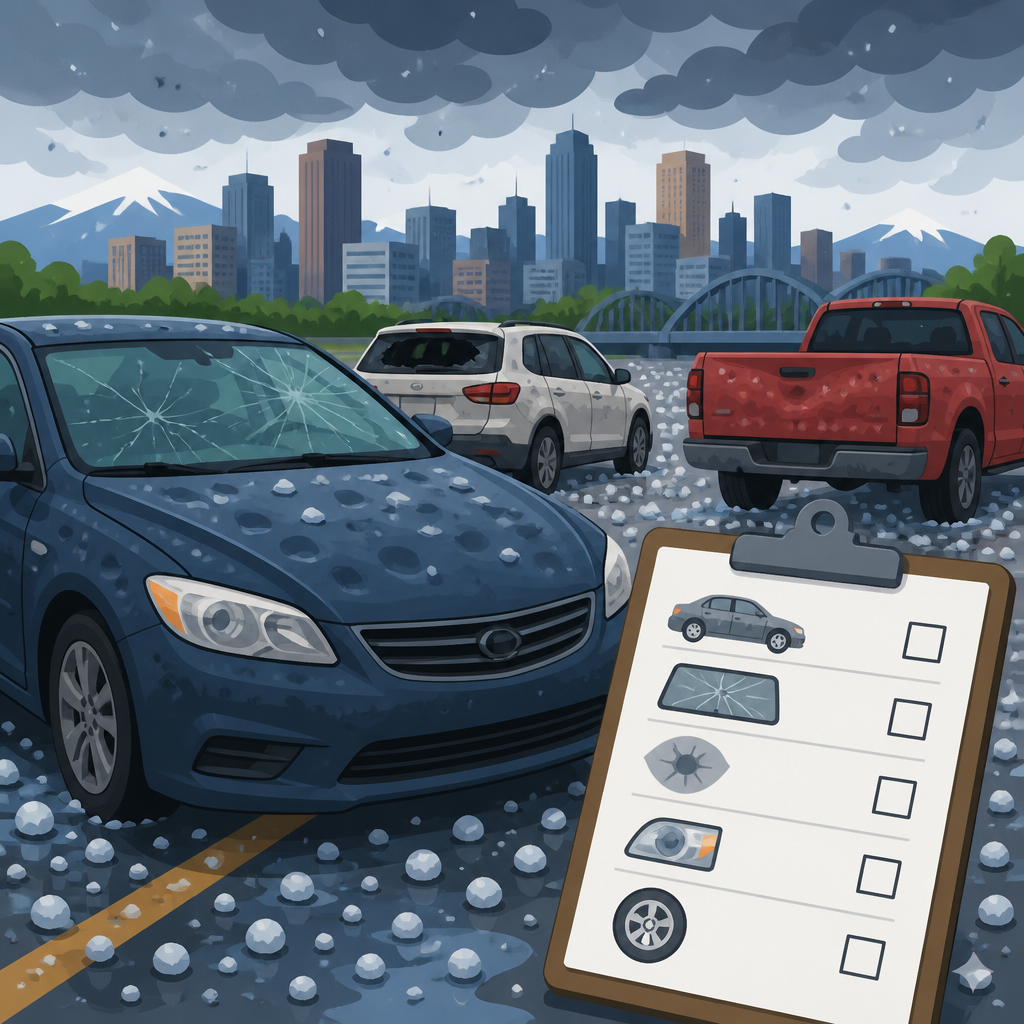
I ran into this when I tried to summarize severe weather for a local team years ago. I kept writing about the storm’s mood, and nobody cared. The only thing they wanted was: what got hit, what got delayed, and what should we inspect first. That’s the right order here too.
How to apply it:
- Lead with the measurable impact: hail size, wind strength, rainfall, visibility, duration.
- Translate size into damage expectations. Golf-ball hail is not just “large”; it’s a likely vehicle and roof problem.
- Keep adjectives on a leash. “Powerful” is fine once. After that, show me evidence.
If I were writing this as an incident note, I’d avoid fluff and write like a person who might have to file an insurance claim later. That keeps the story grounded.
Use the road as your first sensor
The BBC says the storm caused disruption on the roads. That’s not a throwaway line. Roads are usually the first place weather turns into a user problem. If drivers slow down, pull over, or lose visibility, the storm has already escaped the “interesting weather” category and entered the “operational headache” category.
What this actually means is that road conditions tell you how bad the storm felt in real time. A hailstorm can be visually dramatic on video, but traffic disruption tells you it was materially affecting movement. That matters if you’re writing for commuters, emergency planners, or anyone deciding whether to leave the house.
I’ve had to write these summaries before, and the mistake I made was treating road disruption like a side note. It isn’t. It’s the bridge between atmosphere and impact. If the roads are a mess, the storm has a human consequence, not just a meteorological one.
How to apply it:
- Note whether the impact was localized or citywide.
- Specify the kind of disruption: slowdowns, closures, crashes, reduced visibility, standing water, hail accumulation.
- Separate “bad weather” from “bad travel conditions.” Readers care about the second one.
For this Denver clip, the road angle is what makes the story useful beyond the weather desk. It tells people what the storm did to the city’s movement, not just its skyline.
Airport delays are the real-world receipt
The BBC also notes delays at Denver International Airport. That detail matters because airports are where weather stops being abstract. A storm can look dramatic from a window and still be manageable. Once flights start slipping, you’ve got a receipt for impact.
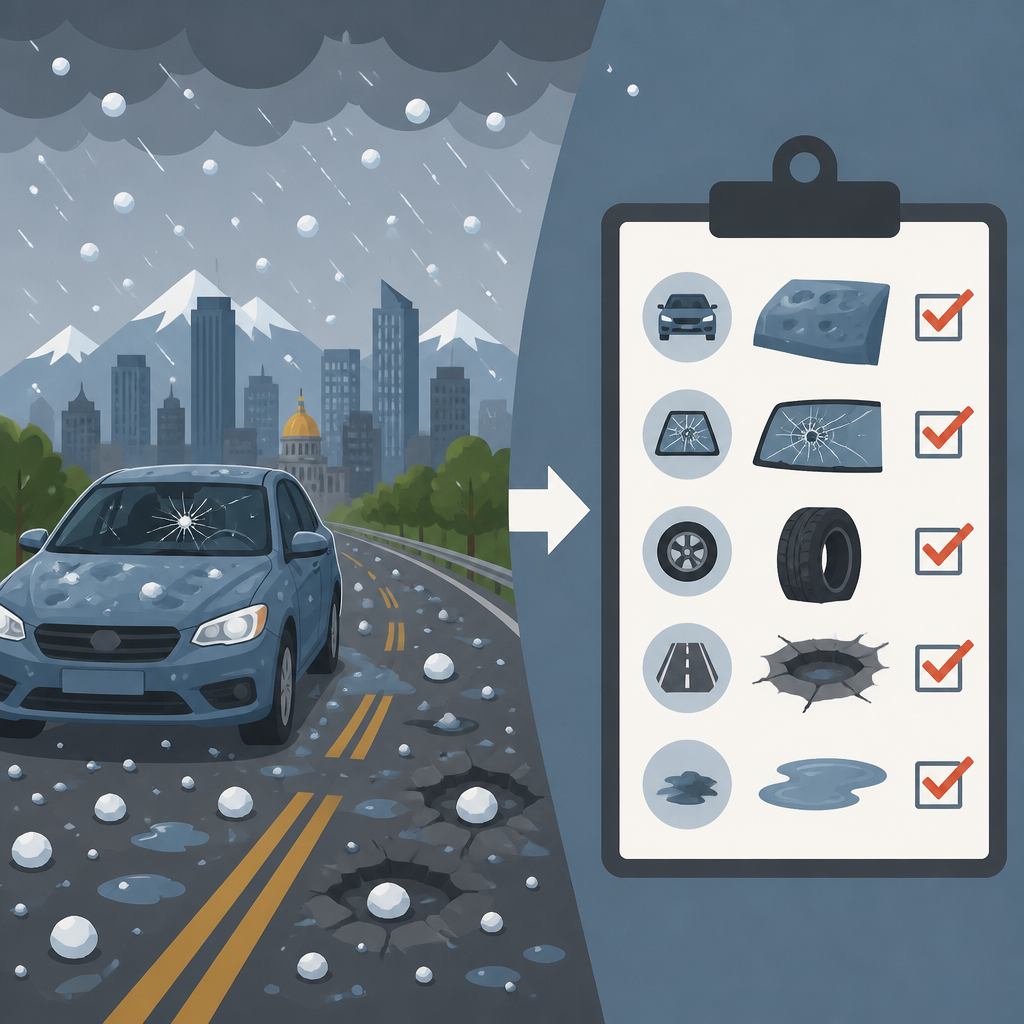
What this actually means is that airport delays are a clean way to confirm severity. Aviation doesn’t like surprise hail. Operations get messy fast when visibility drops or ground handling becomes risky. Even if the storm passes quickly, the ripple effect can last much longer than the hail itself.
I like this detail because it gives me a concrete endpoint for the story. No guessing. No inflated language. Just a measurable consequence that readers understand instantly. If I’m writing a weather brief, I want at least one hard operational consequence like this in the mix.
How to apply it:
- Check whether the airport delay was brief or cascading.
- Distinguish ground delays from cancellations if you have the data.
- Use airport impact as a severity marker, not a dramatic flourish.
And if you’re building a template for severe weather coverage, this is the kind of line you always want somewhere near the top. It helps the reader answer one question: did this storm just look bad, or did it actually interfere with travel?
Hail size is the one number that does the heavy lifting
“Some one or two inches in diameter” is the line that does the most work in the BBC item. That’s the kind of number people remember because they can picture it. A one-inch hailstone is already serious. Two inches is the kind of thing that makes you wince when you imagine it hitting a windshield.
What this actually means is that size is the shorthand for risk. You do not need a long explanation of hail physics to tell a reader the storm was dangerous. The diameter alone gives them a mental model. If I’m scanning a weather story, that’s the detail I trust most because it maps directly to damage.
I’ve seen writers bury this kind of number in the middle of a paragraph, which is a mistake. Put it early. Put it where the reader can grab it. Then explain what it implies for cars, homes, and outdoor property. That’s the whole job.
How to apply it:
- Always convert vague weather language into a size, speed, or count if the source gives one.
- Explain the likely damage in plain terms: dents, cracked glass, roof hits, broken siding, plant damage.
- Don’t overstate certainty. Say “likely” if you don’t have verified damage reports yet.
For this storm, the hail size is the headline inside the headline. Everything else hangs off it.
Write the scene like a damage log, not a movie trailer
The BBC says footage shows hailstones battering cars and homes across the region. That’s useful because it tells me what the camera saw, not just what the reporter inferred. Cars and homes are the two categories that immediately make people ask, “Did mine get hit too?”
What this actually means is that scene-setting should double as a damage log. If you can identify the objects being struck, you’ve already moved from atmosphere to consequence. That’s a much better use of space than “the storm rolled in” or “dark skies loomed,” which is the kind of writing I see too often and immediately want to delete.
I’m biased here because I’ve had to clean up too many weather copy drafts that sounded cinematic but told nobody anything. A good severe-weather description is boring in the best way. It tells you what got hit, where, and how hard.
How to apply it:
- Name the targets: vehicles, roofs, windows, trees, crops, power lines.
- Use the footage as evidence, not decoration.
- If you don’t have confirmed damage totals, say the video shows impacts, not full assessments.
That distinction matters. Video can show impact; it cannot, by itself, prove the full extent of losses. I wish more weather writeups remembered that.
Turn the clip into a reporting checklist
The cleanest thing I can do with this BBC clip is turn it into a checklist. That’s the real value for anyone writing, editing, or documenting severe weather. The clip gives you the basic ingredients, but the checklist tells you what to verify next.
What this actually means is that a good summary should answer four things: what fell, where it hit, what it disrupted, and what evidence backs it up. If you can answer those, you’ve got a usable report instead of a vague weather note.
I use this kind of structure when I’m working fast and don’t want to miss the obvious stuff. It keeps me honest. It also keeps me from overpromising when the only source I have is a short video and a brief writeup.
How to apply it:
- Confirm the weather type and severity.
- List the visible impacts in order: roads, airport, vehicles, homes.
- Separate confirmed facts from likely consequences.
- Leave room for follow-up if official damage totals appear later.
If I were handing this to another editor, I’d tell them to treat the video as a starting point, not the final word. That’s the difference between a clip and a report.
The template you can copy
Severe hailstorm summary template for a short video clipHeadline angle: [Place] hit by [weather event] with [specific size/intensity] hail/wind/rain1. Lead with the measurable impact
- Weather type:
- Hail size / wind speed / rainfall:
- Time and place:
2. Name the first visible consequences
- Roads:
- Vehicles:
- Homes/buildings:
- Trees/power lines:
3. Add operational disruption
- Airports:
- Transit:
- Closures:
- Delays:
4. Separate confirmed facts from likely damage
- Confirmed in footage/report:
- Likely but unconfirmed:
- Needs follow-up:
5. Write the short summary
[Place] was hit by [weather event] on [day], bringing [specific weather details] and causing [road/airport/property] disruption. Footage showed [visible damage], and officials/reporting later confirmed [verified consequence if available].Example using the Denver hailstorm:
Denver was hit by a major hailstorm on Monday, with strong winds, heavy rain and hailstones reported at up to two inches across. The storm disrupted roads, delayed flights at Denver International Airport, and footage showed hail battering cars and homes across the region.This is the part I’d actually copy into my own notes. It’s short, it forces specificity, and it stops me from writing weather prose that sounds nicer than it is useful. If you’re covering severe weather, that’s the whole trick.
Source and attribution
This breakdown is based on the BBC News video post “Watch: Massive hailstones pound Denver in powerful storm”. My template and commentary are original, but the core facts and quoted source line come from BBC’s reporting.
For the airport context, I linked Denver International Airport. For weather reference and storm tracking, I’d also keep NOAA / National Weather Service and NOAA’s National Severe Storms Laboratory handy when verifying hail size, storm reports, and local warnings.