FPT’s OpenAI Select status is a channel play, not a moat
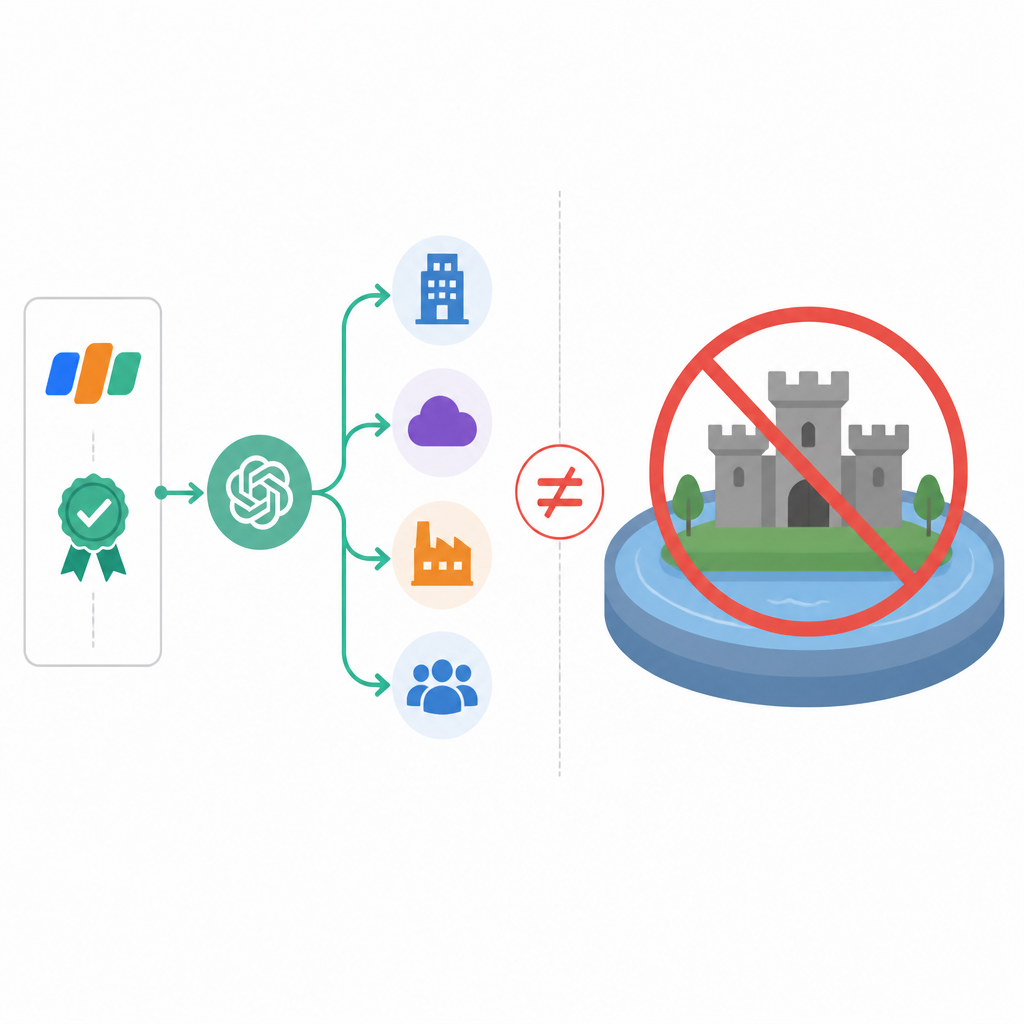
FPT’s OpenAI Select Partner status matters, but it is a distribution advantage, not a durable technical moat.

5.6x token efficiency gains matter less than whether FPT can turn OpenAI access into repeatable enterprise outcomes.
FPT being named an OpenAI Select Partner is good business, but it is not a moat. The announcement signals tighter access to OpenAI’s platform, stronger go-to-market credibility, and a cleaner story for enterprise buyers who want implementation help, not just model access. That matters because buyers do not purchase “AI” in the abstract; they buy reduced risk, faster deployment, and measurable productivity gains. FPT now has a better seat at the table, but the real value will come from how well it converts that seat into deployments that survive contact with procurement, security reviews, and actual users.
Partnerships win distribution, not differentiation
Get the latest AI news in your inbox
Weekly picks of model releases, tools, and deep dives — no spam, unsubscribe anytime.
No spam. Unsubscribe at any time.
In enterprise software, partner badges create trust, and trust shortens sales cycles. A Select Partner designation tells a CIO that FPT has been vetted closely enough to be trusted with serious implementations, which is useful when the buyer is choosing between dozens of consultancies claiming AI expertise. The badge helps FPT get into rooms it might otherwise struggle to enter, especially in large organizations that prefer to buy from recognized ecosystems rather than unknown boutiques.

But distribution is not the same thing as differentiation. If FPT is selling implementation services around GPT-5.6 and ChatGPT Work, its rivals can chase the same demand through other channels, including their own partnerships, in-house teams, or direct work with OpenAI. The partner label may speed up consideration, but it does not lock in customers. What locks in customers is proprietary workflow knowledge, industry-specific delivery, and a track record of measurable outcomes. Without those, a Select Partner badge becomes a nice logo on a slide deck.
The real value is operational, not symbolic
The strongest case for this partnership is operational leverage. OpenAI’s own framing around better performance per dollar and more useful work from every token points to the core enterprise problem: how to make AI economically viable at scale. FPT can use that leverage to package services that reduce inference waste, improve prompt design, and connect models to business systems in ways that cut manual labor. That is where the money is, because enterprises do not care about model glamour; they care about whether a workflow saves hours, reduces errors, or increases revenue.
There is a concrete example hiding inside the announcement: ChatGPT Work. If FPT can help organizations move from scattered experimentation to finished work, it can sell a higher-value transformation service rather than a one-off deployment. That is a better business than generic integration because it ties FPT’s revenue to outcomes across the full workflow, from use case selection to rollout and governance. The firms that win here will be the ones that can show a before-and-after picture: fewer tickets, faster document drafting, shorter analysis cycles, and lower cost per task.
The counter-argument
The opposing view is straightforward: a Select Partner status with OpenAI is a strong signal in a market where signal matters. Enterprise buyers are overwhelmed, and they often use partnerships as a shortcut for quality. FPT gains credibility, access to co-selling opportunities, and a chance to align itself with the fastest-moving AI platform in the market. In a field where many firms are still selling generic “AI transformation,” that alignment is valuable.
There is also a timing argument. OpenAI’s platform momentum means partners can ride the wave of demand rather than spend years educating the market. If GPT-5.6 really improves cost efficiency and ChatGPT Work really helps teams finish more work, then being close to that stack is commercially smart. The partnership can accelerate learning, deepen technical expertise, and create referenceable deployments that smaller competitors cannot match.
That argument is right about the short term and wrong about the long term. The badge helps FPT win attention, but attention does not compound unless it becomes repeatable delivery. OpenAI access is widely valuable, and platform advantages tend to diffuse quickly across the services market. FPT’s defensibility will come from industry expertise, integration depth, and reusable playbooks, not from the partnership itself. The Select Partner status is an enabler, not the asset.
What to do with this
If you are an engineer, PM, or founder, treat partner announcements as a starting signal, not a verdict. Ask three questions: what workflows will this unlock, what measurable business outcome will improve, and what part of the implementation is hard enough that competitors cannot copy it quickly? If you cannot answer those questions, the partnership is marketing. If you can, then the badge is useful because it gives you a faster path to trust, pilots, and revenue. Build for the outcome, not the logo.
// Related Articles
- [IND]
Anthropic’s watermarking move is the right default for AI text
- [IND]
5 banking workflow patterns SAS Viya keeps governed
- [IND]
Wall Street backs Nvidia’s AI financing push
- [IND]
Claude Code Is No Longer the Clear Front-Runner
- [IND]
Anthropic Builds Its Own Chip Team for Claude
- [IND]
Anthropic backs dedicated data centers with Macquarie, GIC