G7's AI access talks could reshape model exports
G7 leaders discussed 1 plan to widen trusted access to advanced U.S. AI models for select partners, sources said.

G7 leaders discussed a plan to widen access to advanced U.S. AI models for select partners.
G7 leaders discussed a plan that could let select “trusted partners” use advanced AI models from U.S. firms, according to three diplomatic sources. The idea matters because it could affect access to systems from companies like Anthropic and how non-American users reach high-end AI tools.
1. Trusted-partner access
Get the latest AI news in your inbox
Weekly picks of model releases, tools, and deep dives — no spam, unsubscribe anytime.
No spam. Unsubscribe at any time.
The core proposal is simple: give vetted countries or organizations access to advanced U.S. AI models under a trusted-partner framework. That would create a formal path for some non-U.S. users to work with models that may otherwise face tighter distribution limits.
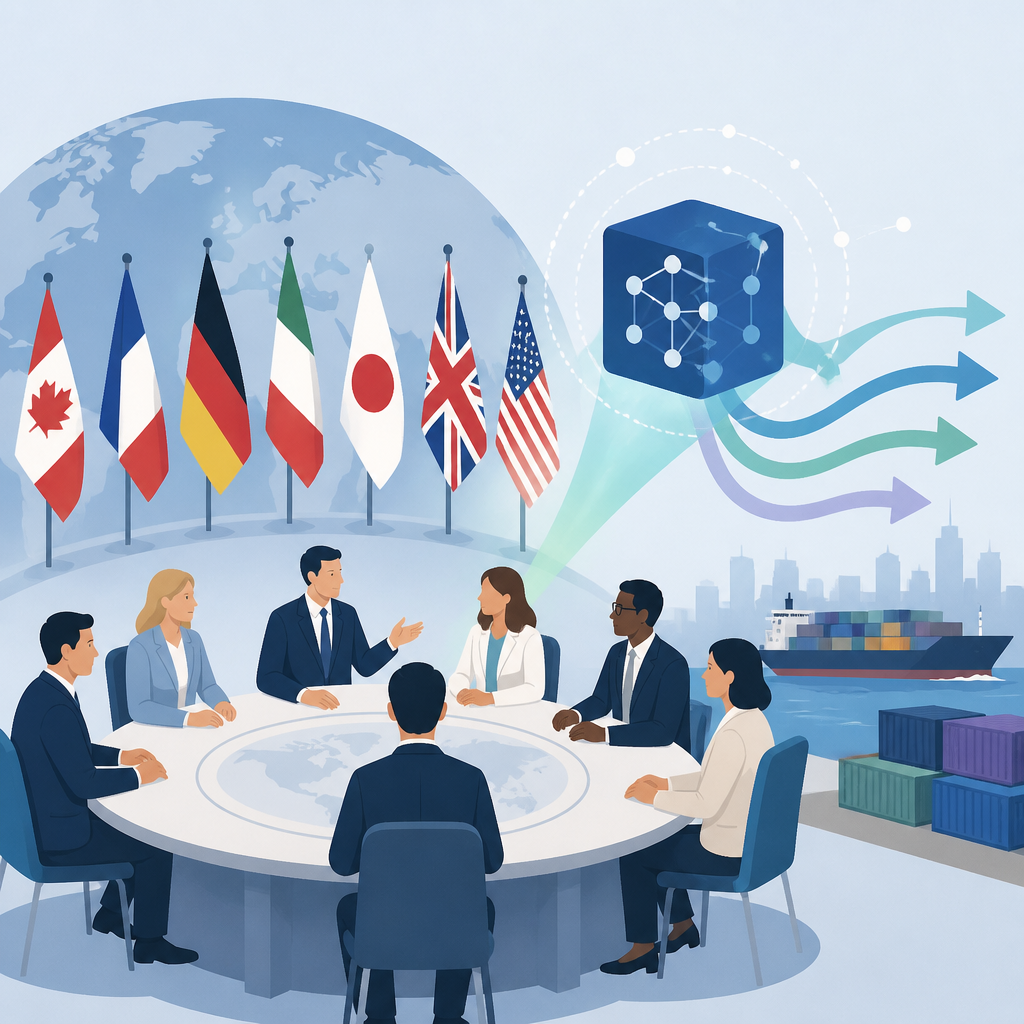
For governments, the attraction is control. For model makers, the appeal is a way to expand reach without opening access to everyone at once.
- Likely users: allied governments, approved agencies, regulated firms
- Likely gatekeepers: U.S. companies and national security officials
- Likely goal: broader use with tighter oversight
2. Advanced models from U.S. firms
The sources specifically pointed to advanced models from American AI companies, including Anthropic. That puts the focus on frontier systems rather than basic chatbots or low-end APIs.
These models are the ones that matter most for sensitive enterprise work, government use, and research settings where performance and control both matter.
- Company named in the report: Anthropic
- Model class: advanced or frontier AI systems
- Likely use cases: analysis, coding, document work, internal assistants
3. A possible workaround for non-American restrictions
The plan could open a path around current restrictions on non-American use. That does not mean unrestricted global access. It suggests a narrower channel that may satisfy security concerns while still letting allies adopt the tools.
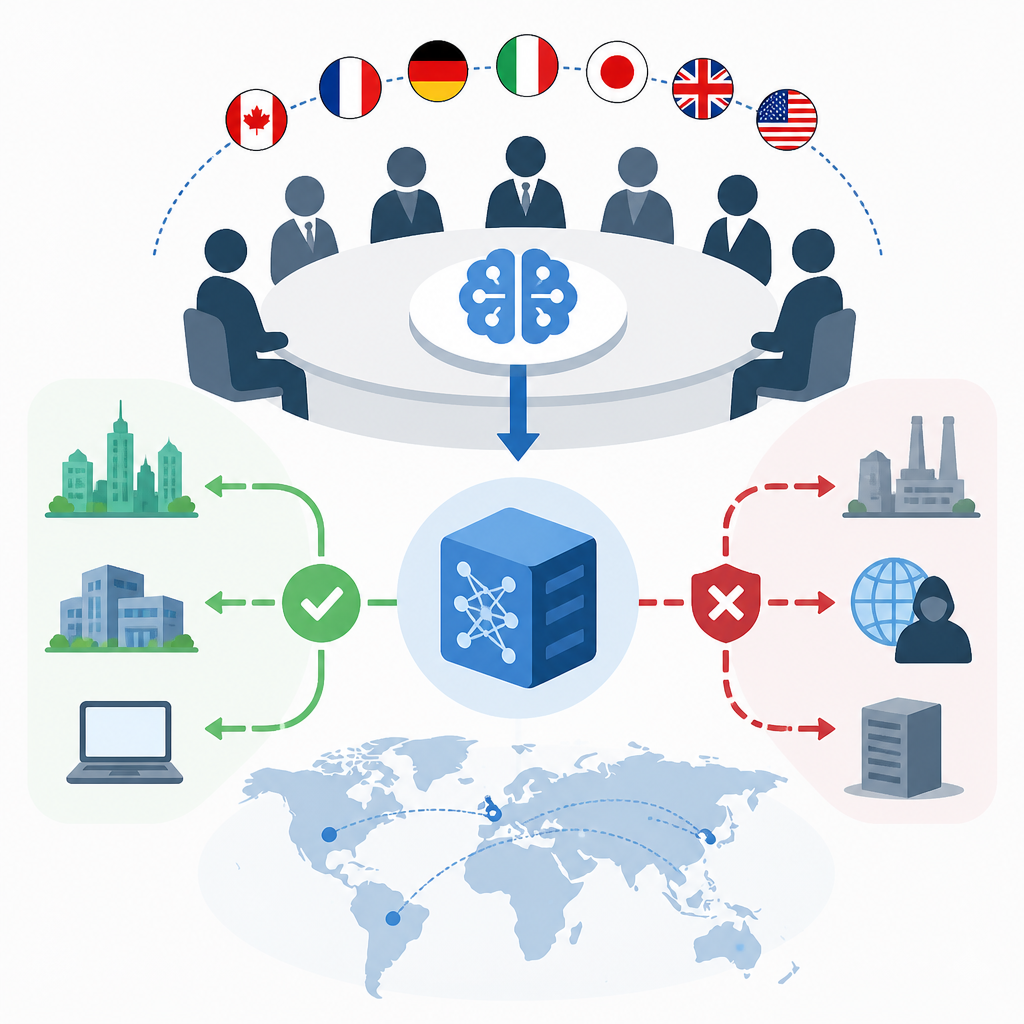
If adopted, the arrangement could become a template for how the U.S. handles sensitive AI exports, especially when the models are powerful enough to raise policy and security questions.
Possible policy shape:
- approve specific partners
- define allowed use cases
- set monitoring or audit rules
- keep broader export limits in place
4. Why the G7 is involved
The G7 is the right venue for this kind of discussion because it brings together major industrial democracies that share security and technology concerns. A common approach would be easier for U.S. firms than a patchwork of separate national rules.
For Washington and its allies, the issue is not only market access. It is also about keeping advanced AI aligned with trusted political and security partners rather than letting access spread without coordination.
- Shared interest: allied access with fewer security surprises
- Shared risk: inconsistent rules across member states
- Shared benefit: clearer expectations for AI vendors
5. What this could mean for AI companies
If a trusted-partner system takes shape, U.S. AI companies could gain a cleaner route into overseas markets that are currently hard to serve. That would matter for vendors that want enterprise customers, public-sector contracts, and regulated deployments outside the U.S.
It could also force companies to build more formal controls around who gets access, how models are used, and what kind of logging or oversight is required.
- Potential upside: more international sales
- Potential cost: compliance and access controls
- Potential shift: export policy becomes part of product strategy
How to decide
If you follow AI policy, this is mainly about export rules and allied access. If you build or buy AI systems, it is a sign that access may become more tiered, with some users getting frontier models under stricter conditions.
If you track the market, watch for whether the G7 turns this from a discussion into a policy framework. That would shape where advanced U.S. models can be sold, who can use them, and how fast the rules spread beyond the G7.
// Related Articles
- [IND]
CUDA’s moat is being tested by AI coding agents
- [IND]
Rust’s 2026 updates reshape combat and base play
- [IND]
80% of Q1 2026 VC Went to AI, But Blockchain Is Next
- [IND]
Seed’s anti-distillation rule turns open models into policy
- [IND]
Windows Codex and Claude Code fixes that work
- [IND]
Rust 1.97.1 fixes a compiler bug stable users felt