GLM-5.3’s coding gains came from post-training
4 post-training moves explain how GLM-5.3 improved coding without changing its base model.
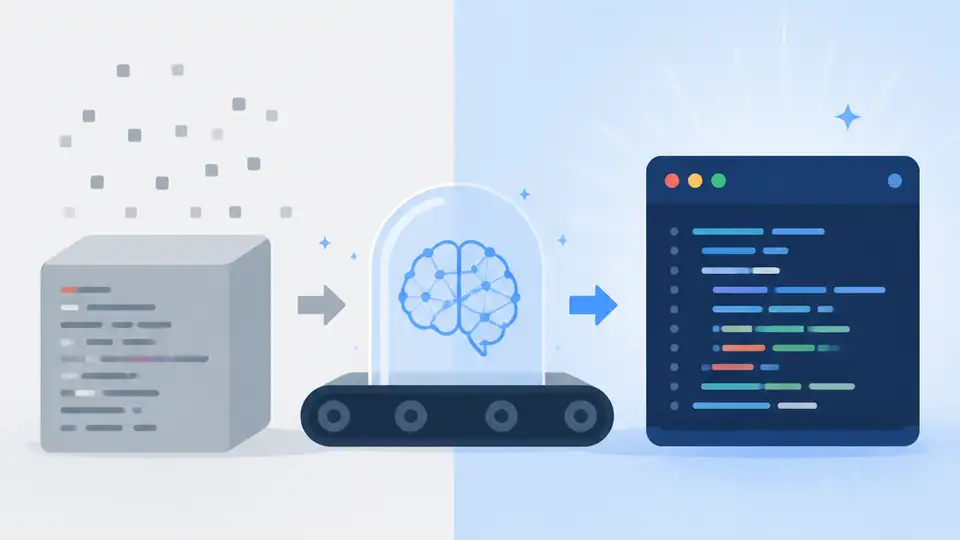
Where did GLM-5.3’s coding gains come from?
GLM-5.3 improved coding mostly through post-training, not a new base model.
1. Post-training, not a new foundation model
Get the latest AI news in your inbox
Weekly picks of model releases, tools, and deep dives — no spam, unsubscribe anytime.
No spam. Unsubscribe at any time.
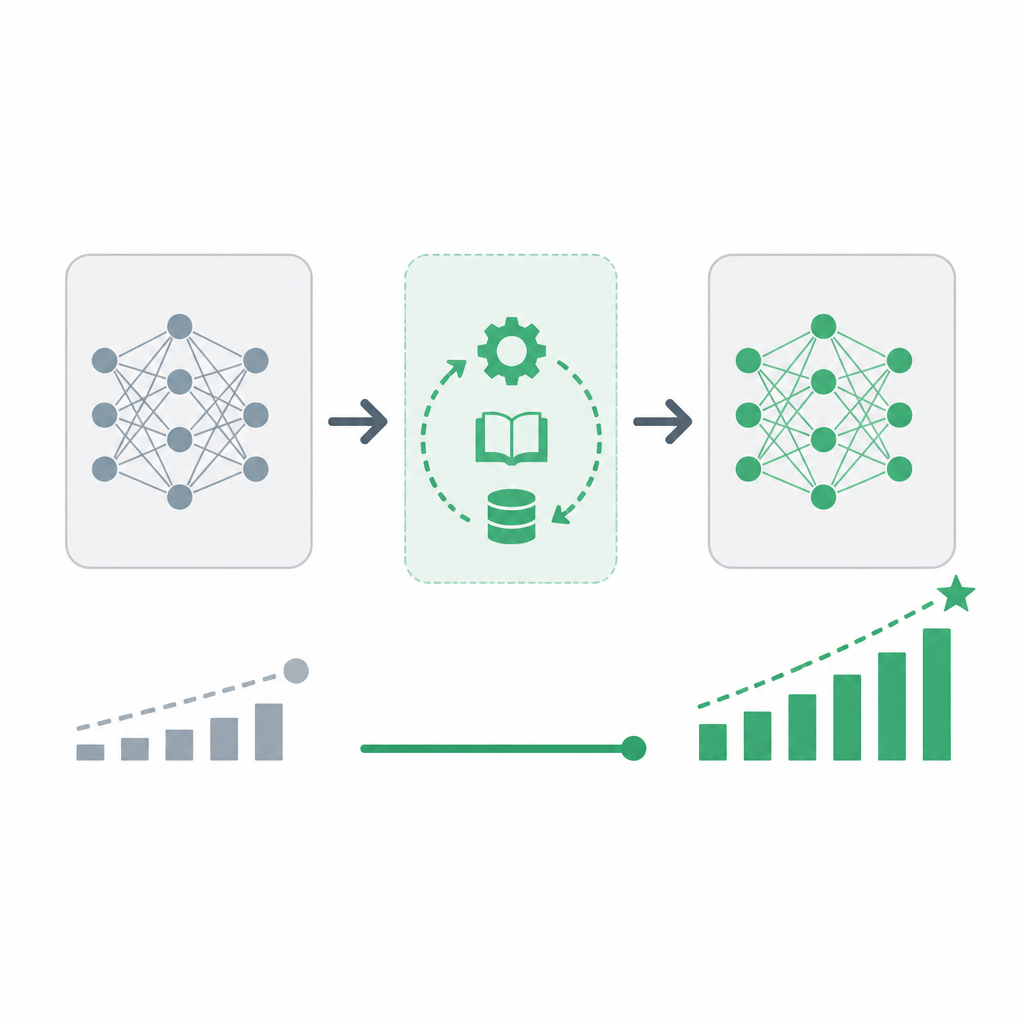
The core claim in the GLM-5.3 story is simple: the model’s coding jump did not come from retraining the foundation model from scratch. Instead, the gains came after pretraining, through targeted post-training that shaped how the model reasons, follows instructions, and writes code.
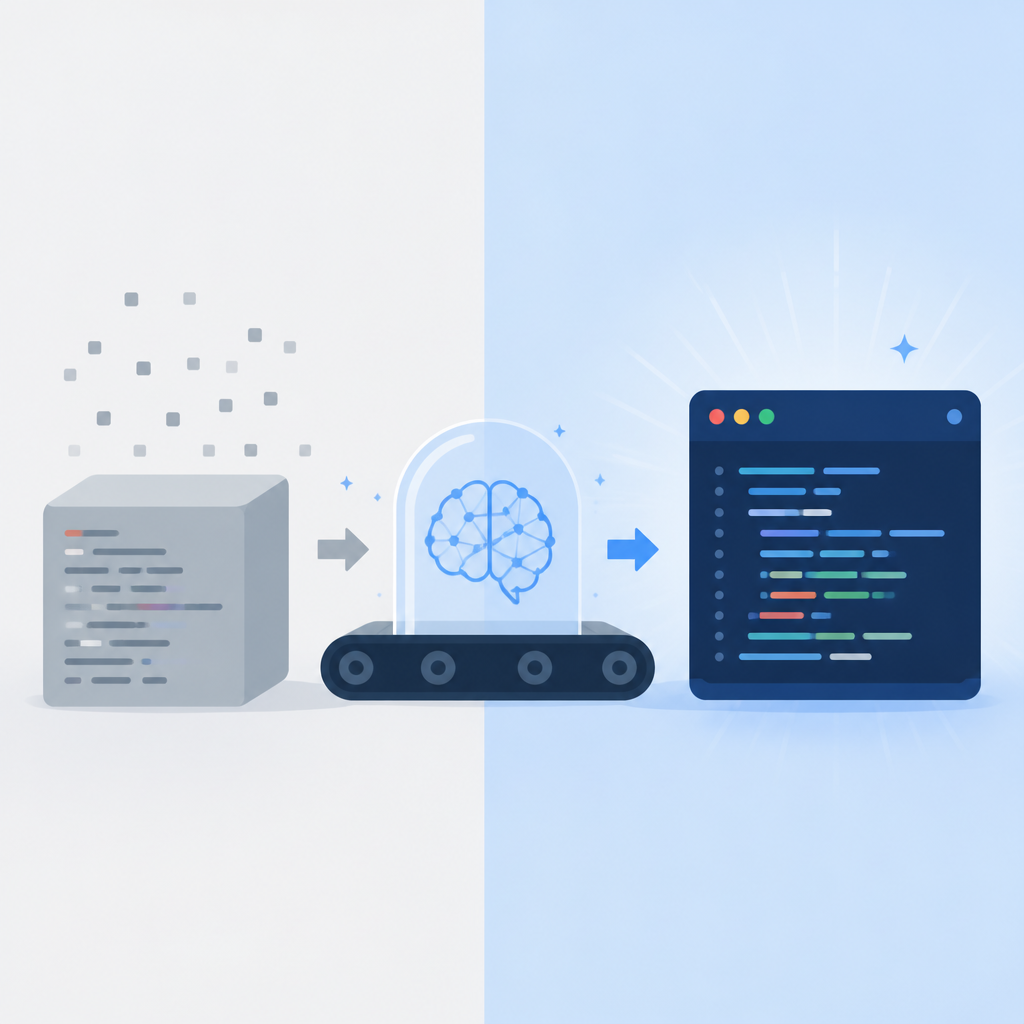
That matters because it changes the engineering question. If you are comparing model upgrades, you cannot assume a bigger base model is the only path to better coding. Sometimes the better move is to keep the base intact and spend effort on the stages after it.
- Base model: unchanged
- Improvement source: post-training
- Outcome: stronger coding behavior
- Practical lesson: inspect training pipeline, not just parameter count
2. Coding-focused supervision
One likely source of the improvement is code-heavy supervision, where the model is trained on tasks that look more like real developer work. That can mean bug fixes, function completion, test generation, refactoring, and multi-step problem solving rather than generic text prediction.
This kind of tuning helps because coding is less about fluent prose and more about correctness under constraints. A model can look smart in chat and still fail at imports, edge cases, or API usage. Post-training on code tasks narrows that gap.
- Bug fixing and repair
- Unit test generation
- API usage and call patterns
- Multi-file code changes
3. Better reasoning traces
Another likely ingredient is reasoning-oriented training. If a model learns to break a coding problem into steps before producing an answer, it can do better on tasks that require planning, dependency tracking, or debugging across several files.
In practice, this means the model is not only learning syntax. It is also learning how to inspect a problem, form a sequence, and avoid jumping straight to a brittle answer. For coding assistants, that can be more valuable than raw benchmark gains.
Example workflow:
1. Read error message
2. Identify likely subsystem
3. Check related code paths
4. Propose patch
5. Suggest validation test
4. Agent-style evaluation and feedback
The article points to a broader trend in model development: train and evaluate models the way they will actually be used. For coding, that means letting the model operate in workflows where it can plan, inspect outputs, revise its answer, and respond to feedback.
This is especially relevant for code agents. A model that can draft code once is useful, but a model that can improve its own draft after seeing compiler errors or test failures is much more valuable. Post-training can reward that loop.
- Generate code
- Run checks or tests
- Read failures
- Revise the patch
5. Why this matters for model buyers
GLM-5.3 is a reminder that benchmark charts can hide where performance really came from. Two models with similar base architectures can behave very differently if one got stronger post-training for coding, instruction following, or agent behavior.
That means buyers should ask about the training recipe, not just the model name. The best coding model for a team may be the one with the better post-training stack, even if its base model is not the newest or largest.
- Ask whether the base model changed
- Ask what post-training data was used
- Ask how coding was evaluated
- Ask whether the model was tuned for agent workflows
How to decide
If you care about raw coding help, prioritize models with explicit code supervision and agent-style evaluation. If you care about general chat quality, a stronger base model may still matter more.
For teams buying or benchmarking models, GLM-5.3 is a useful warning: the best coding results may come from post-training choices that are easy to miss if you only look at parameter counts or headline scores.
// Related Articles
- [IND]
Anthropic’s data center push now has big capital backing
- [IND]
DailyArxiv turns arXiv keywords into a daily paper feed
- [IND]
Claude vs ChatGPT (2026): Is Claude Better?
- [IND]
CBDC Governance: Standards and Stakeholder Roles
- [IND]
Invisible AI watermarks are the right move for Claude
- [IND]
pgvector is enough for small datasets, not your default