Google DeepMind and A24 make AI fit film sets
4 takeaways from Google DeepMind’s $75M A24 deal and what it means for AI tools in filmmaking.

Google DeepMind’s A24 deal puts AI toolmaking inside a real Hollywood studio.
Google DeepMind’s reported $75 million bet on A24 is not just a splashy investment. It is a test of whether AI tools can be built with filmmakers, not just for them.
| Item | Deal size | Main focus |
|---|---|---|
| Google DeepMind | $75 million | AI tools for filmmaking |
| A24 | Not disclosed | Film and TV production |
| Netflix | Not disclosed | AI tools via InterPositive |
| Amazon MGM Studios | Not disclosed | AI unit for production tools |
1. The A24 partnership
Get the latest AI news in your inbox
Weekly picks of model releases, tools, and deep dives — no spam, unsubscribe anytime.
No spam. Unsubscribe at any time.
The biggest signal in this story is the partnership itself. Google DeepMind says it will work with A24 to build AI tools for filmmaking, with feedback from artists built into the process from the start.

That matters because it changes where product ideas come from. Instead of shipping generic creative software, the companies are trying to shape tools around the way directors, editors, and producers actually work.
- Reported investment: $75 million, per the WSJ
- Goal: AI features for filmmaking workflows
- Input source: leading artists and filmmakers
2. The artist-first pitch
Demis Hassabis framed the deal as a way to build with creators instead of guessing what they need. His pitch is simple: if the goal is better storytelling, the tools should be developed alongside the people making the stories.
That is also a response to one of Hollywood’s biggest concerns about AI. Film workers want to know whether these systems will support creative judgment or just replace parts of the job. The A24 deal tries to answer that by making collaboration part of the product plan.
- Quote from Hassabis: work directly with artists
- Promise: tools that support authentic storytelling
- Risk addressed: AI built without creative context
3. The Hollywood AI race
A24 is not entering this space alone. Netflix announced earlier this year that it was buying Ben Affleck’s InterPositive, a company that builds AI tools for filmmakers. Amazon’s MGM Studios also launched an AI unit last year focused on production tools.
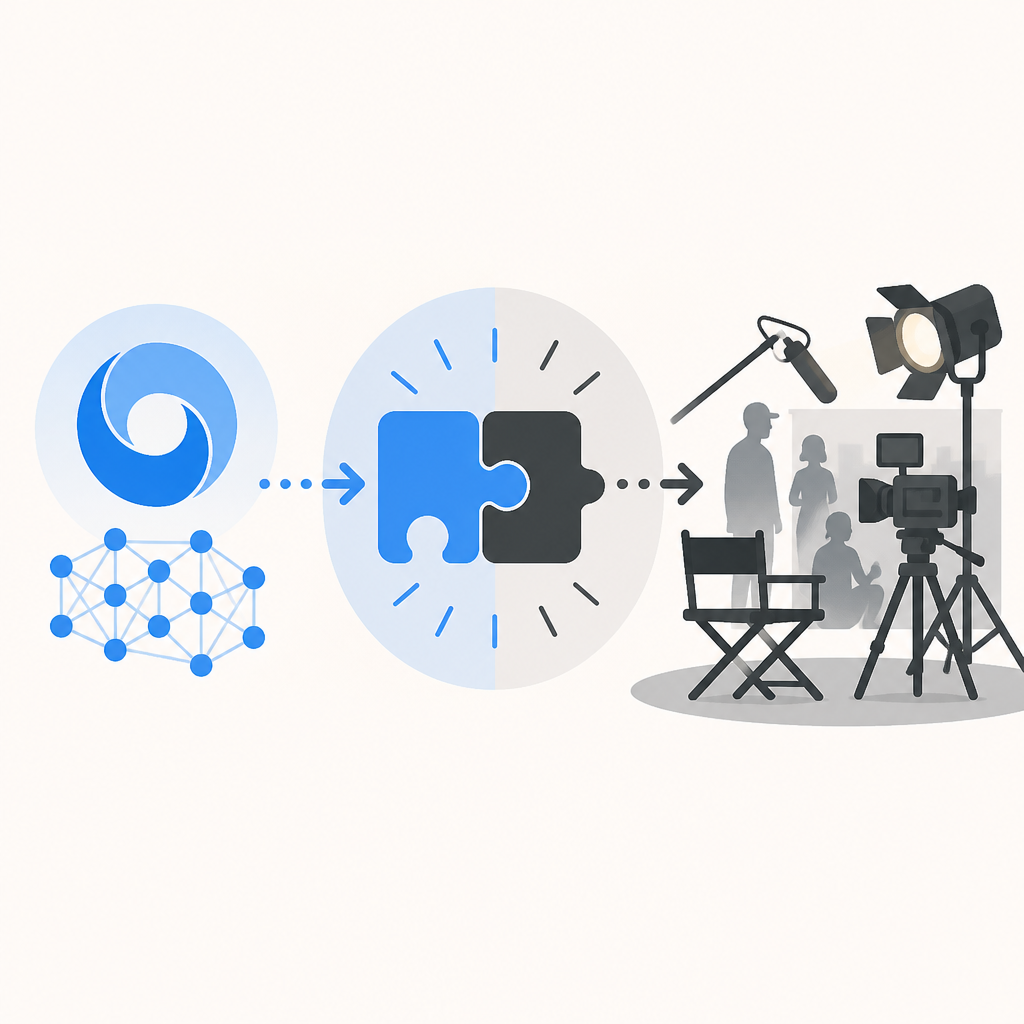
The pattern is clear: studios and platforms are looking for ways to use AI behind the scenes first, especially in development, editing, and production support. The competition is less about flashy demos and more about who can make AI useful inside existing film workflows.
- Netflix: AI tools through InterPositive
- Amazon MGM Studios: AI unit for TV and movie production
- Common target: practical production workflows
4. The controversy around AI in film
Hollywood has not settled its fight over AI. Concerns about labor, authorship, and the role of machine-generated content still hang over every new studio announcement. That makes the A24 deal notable, because it arrives in a climate where trust is still fragile.
A24’s brand gives the partnership extra weight. The studio is known for prestige projects and strong creative identity, so any AI tools it helps shape will be judged against a high bar. If the collaboration works, it could make AI feel less like a threat and more like a production assistant.
- Open questions: labor impact, authorship, creative control
- Why A24 matters: strong indie reputation
- Possible upside: more acceptable AI adoption in film
What to pick
If you want the shortest read on the deal, focus on the partnership itself: Google DeepMind is buying access to real filmmaking feedback, not just a studio logo. If you care about industry strategy, the bigger story is that Hollywood AI is moving from experiments to vendor relationships.
For creators, the useful takeaway is that the next wave of AI film tools may be shaped by working artists rather than generic software teams. For investors and operators, the signal is that media companies are becoming test beds for AI products that need trust, not just speed.
// Related Articles
- [IND]
Silicon Valley’s AI “Breakdowns” Are a PR Play, Not a Signal of Doom
- [IND]
WebAssembly’s JVM shift is making Java more portable
- [IND]
Anthropic is hiring a custom chip design team
- [IND]
Model Y L US launch packs 6 buyer details
- [IND]
2027 Tesla Model Y L Exterior Photos and Specs
- [IND]
CUDA’s moat is being tested by AI coding agents