Google’s monthly AI recaps are a strategy, not a scrapbook
Google’s monthly AI recap is a strategic signal that the company is shipping across cloud, Android, and research.

Google’s monthly AI recap is a strategic signal that the company is shipping across cloud, Android, and research.
Google’s monthly AI recap is not a routine blog post; it is a deliberate tactic to prove the company is still a top-tier AI platform company across cloud, devices, and research.
Google is using cadence as a competitive weapon
Get the latest AI news in your inbox
Weekly picks of model releases, tools, and deep dives — no spam, unsubscribe anytime.
No spam. Unsubscribe at any time.
In a market where Microsoft and OpenAI dominate the daily news cycle, Google’s monthly roundup creates its own rhythm. That matters because attention is a resource in enterprise buying. When a company publishes a dense recap every month, it signals continued execution, not one-off PR bursts. The message to customers is simple: Google is shipping now, and it plans to keep shipping.
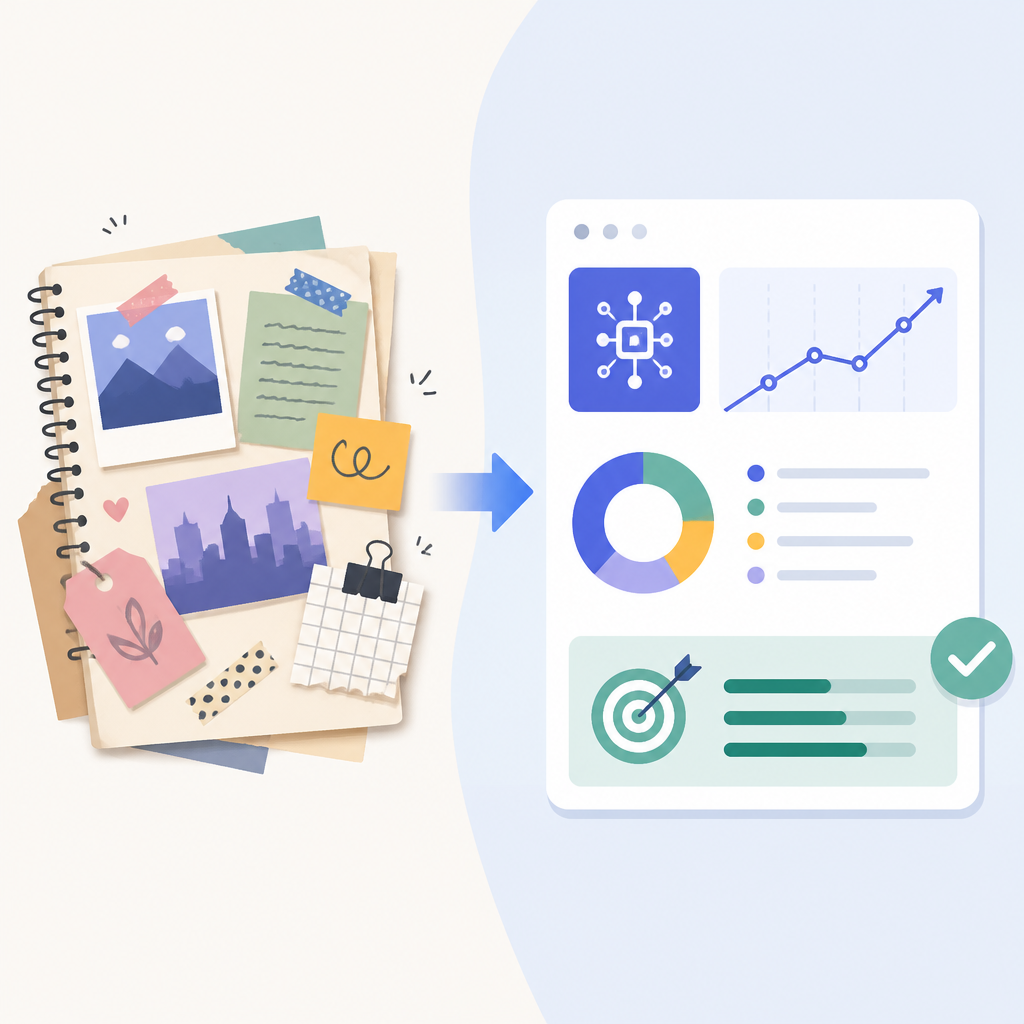
The recap’s breadth is the point. Gemini model updates, Cloud tooling, Android features, DeepMind research, health, and even quantum computing all appear under one umbrella. That kind of packaging tells enterprise buyers and developers that Google is not betting on a single product to carry its AI story. It is trying to make AI feel like a company-wide operating layer.
The real target is the enterprise buyer
For cloud customers, the recap is a signal of momentum against Microsoft Azure and Amazon Web Services. Enterprise buyers do not just compare APIs and prices. They compare roadmaps, release tempo, and whether a vendor looks committed to the next platform shift. A monthly AI roundup gives Google a visible cadence that makes that commitment harder to ignore.
This is especially important because AI infrastructure decisions are sticky. Once a team builds around a cloud stack, switching costs rise fast. By showing activity across model improvements, developer tools, and platform integration, Google is trying to reduce the perception that Azure has the lead in enterprise AI. The recap is part product update, part confidence campaign.
Google’s horizontal strategy is the smarter bet
Google is not trying to win AI with one flagship chatbot. It is trying to win by placing intelligence inside Search, Android, Cloud, Health, and consumer hardware. That horizontal strategy is stronger than a narrow product race because it spreads risk and multiplies distribution. One model improvement can matter in a dozen surfaces at once.

Android is the clearest example. If Google pushes more on-device AI into phones, the company reaches billions of users without asking them to adopt a new app or workflow. That is a structural advantage. OpenAI can own mindshare, but Google can own distribution. The recap’s inclusion of Android shows the company understands where the real leverage lives.
The counter-argument
The strongest case against Google’s approach is that recaps can hide a lack of focus. A broad monthly roundup can read like a marketing inventory, not a product thesis. Competitors often win by making one thing unmistakably useful, then expanding from there. OpenAI’s advantage has come from clarity, while Google’s breadth can look like diffusion.
There is also a real risk that monthly packaging overstates substance. A mention in a recap does not mean a feature is mature, widely deployed, or strategically important. DeepMind research may remain academic for months. Quantum computing may stay aspirational. If the substance behind the cadence is thin, the recap becomes noise.
That critique lands only if you expect the recap itself to be the product. It is not. The recap is a signal layer, and Google needs one because its AI work is spread across too many teams and surfaces to be understood through a single launch. The question is not whether every item is transformative. The question is whether the company can keep turning scattered progress into a coherent market narrative. On that score, the recap works.
What to do with this
If you are an engineer, PM, or founder watching Google, do not read these recaps as fluff. Treat them as roadmap telemetry. Track which surfaces Google keeps naming, because those are the areas where the company is likely to invest, integrate, and accelerate. For enterprise teams, watch Cloud and Gemini closely. For consumer product teams, watch Android and Search. Google is telling you where the next layer of AI distribution will land, and it is doing it in public.
// Related Articles
- [IND]
Millions Raised for Zhipu-style Social World Model
- [IND]
Anthropic’s Book Scanning Strategy Could Set a Pattern
- [IND]
Huang’s open-letter playbook for open-weight AI
- [IND]
32 firms back open-weight AI in DC letter
- [IND]
Huang usa il suo primo post su X per difendere l’IA aperta
- [IND]
Black Duck’s Coverity gets better at AI-era triage