Kawa is a useful release, but sovereign AI still wins on control, not…
Toku’s Kawa launch matters because it makes sovereign conversational AI infrastructure more practical, but control and compliance are the real value.

Toku’s Kawa launch makes sovereign conversational AI infrastructure more practical, not just more theoretical.
I think Toku is right to ship Kawa now, but the real story is not the transcription API itself. It is the bet that regulated enterprises will pay for AI infrastructure they can inspect, keep in-country, and swap component by component without rebuilding their stack every quarter.
First, sovereign infrastructure solves a real enterprise problem
Get the latest AI news in your inbox
Weekly picks of model releases, tools, and deep dives — no spam, unsubscribe anytime.
No spam. Unsubscribe at any time.
For teams in Singapore and across APAC, data residency is not a branding exercise. Kawa is hosted in Singapore, keeps customer audio and transcripts in-country, and is explicitly aimed at organisations navigating PDPA and MAS expectations. That matters because the hard part of conversational AI is not getting a model to transcribe speech; it is getting legal, security, and procurement teams to approve the workflow.
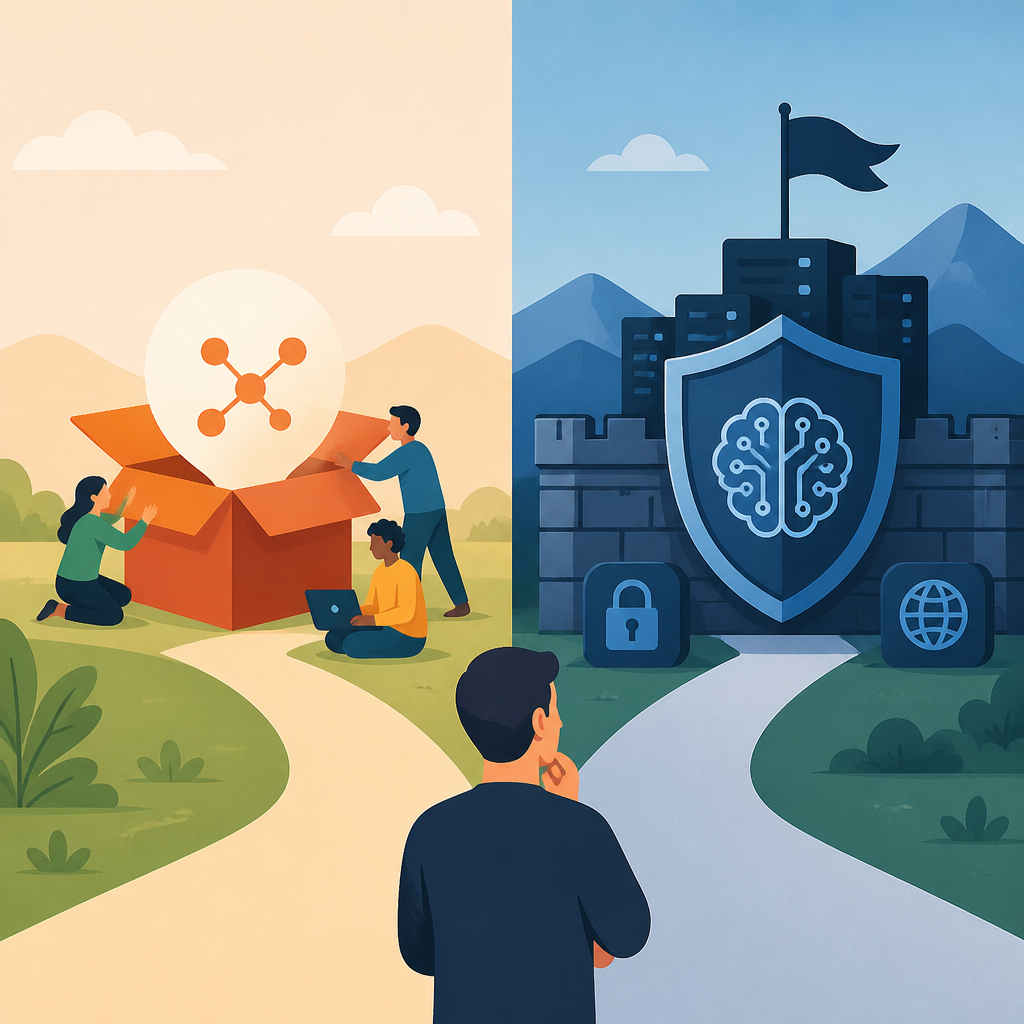
The release is also narrowly useful in a way that enterprise buyers understand. Kawa launches with post-conversation transcription for recorded calls, voicemail, and archived interactions, plus speaker separation and segment-level timestamps. That is not a flashy consumer demo. It is a production feature set for contact centers, QA teams, and analytics pipelines that need reliable outputs before they need real-time magic.
Second, the composable layer is the real product
Toku’s strongest claim is not that it has built another speech API. It is that Kawa runs on a composable orchestration layer, so developers can swap parts of the pipeline, such as audio preprocessing or the speech-to-text model, without redesigning the system. That is a serious architectural advantage because model quality changes fast, and any team that hardcodes a single vendor into its stack is signing up for future migration pain.
The company is also being honest about the direction of travel. It says a real-time transcription API will come later, and that additional layers of the pipeline will be opened over 2026. That staged rollout is smart. It lets Toku prove reliability with one production workflow first, then expand openness once developers trust the foundation. In infrastructure, credibility compounds through delivery, not announcements.
The counter-argument
The skeptical view is straightforward: this is just another transcription service with open-source language around it. Speech-to-text is crowded, cloud providers already offer scale, and many enterprises will prefer a single vendor that handles everything rather than a composable stack they must assemble themselves. There is also a risk that “sovereign AI” becomes a compliance label attached to familiar plumbing.
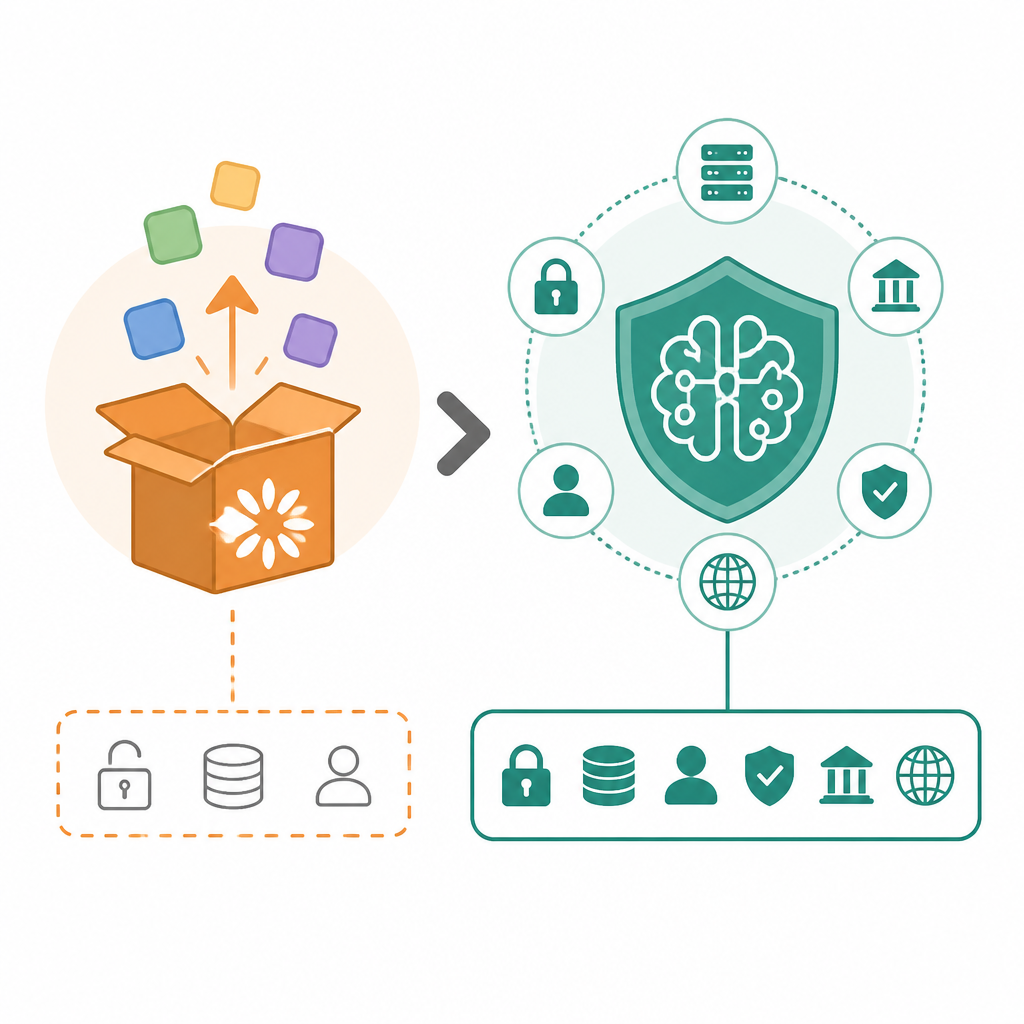
That critique has force, especially if Toku treats openness as a marketing wrapper instead of a durable developer ecosystem. But it misses the point of regulated deployment. The buyer in this market is not optimizing for novelty. The buyer is optimizing for auditability, data locality, and the ability to replace components as models improve. On that axis, a composable, in-country pipeline is not redundant. It is the product.
What to do with this
If you are an engineer, treat Kawa as a signal to design for portability, not attachment to one speech model or one cloud region. If you are a PM or founder, stop pitching AI features as if the model alone is the moat. In APAC, the moat is the stack around the model: residency, orchestration, governance, and the ability to evolve without re-architecting the business every time the underlying model shifts.
// Related Articles
- [IND]
WorkBuddy Skills: 5 picks that fit real office work
- [IND]
GLM-5.3’s coding gains came from post-training
- [IND]
Anthropic’s data center push now has big capital backing
- [IND]
DailyArxiv turns arXiv keywords into a daily paper feed
- [IND]
Claude vs ChatGPT (2026): Is Claude Better?
- [IND]
CBDC Governance: Standards and Stakeholder Roles