Kimi K3 could pressure the middle tier of AI models
4 ways Kimi K3 could squeeze the market between task bots and higher-level models, with Anthropic’s Fable 5 as the benchmark.

What could Kimi K3 change in the AI market?
Kimi K3 may sit between task-focused models and higher-level planners, shifting buyer expectations.
One recent benchmark for this debate is Anthropic's Fable 5, which is said to stay in Max and Enterprise plans for now. That kind of positioning matters because it signals a split between models that execute work and models that help users plan, advise, and review.
| Item | Positioning | Likely buyer impact |
|---|---|---|
| Kimi K3 | Middle tier between execution and planning | Could reset expectations for value per model |
| GPT-5.6 | Task-focused execution | Strong for direct output and ticket-style work |
| Fable 5 | Plan, advice, review | Appeals to users who want broader judgment |
1. A new middle tier
Get the latest AI news in your inbox
Weekly picks of model releases, tools, and deep dives — no spam, unsubscribe anytime.
No spam. Unsubscribe at any time.
The biggest market effect of Kimi K3 may be simple: it gives buyers another option between “do the task” models and “think with me” models. If that gap is real, vendors will have to explain why their more expensive tiers deserve the premium.
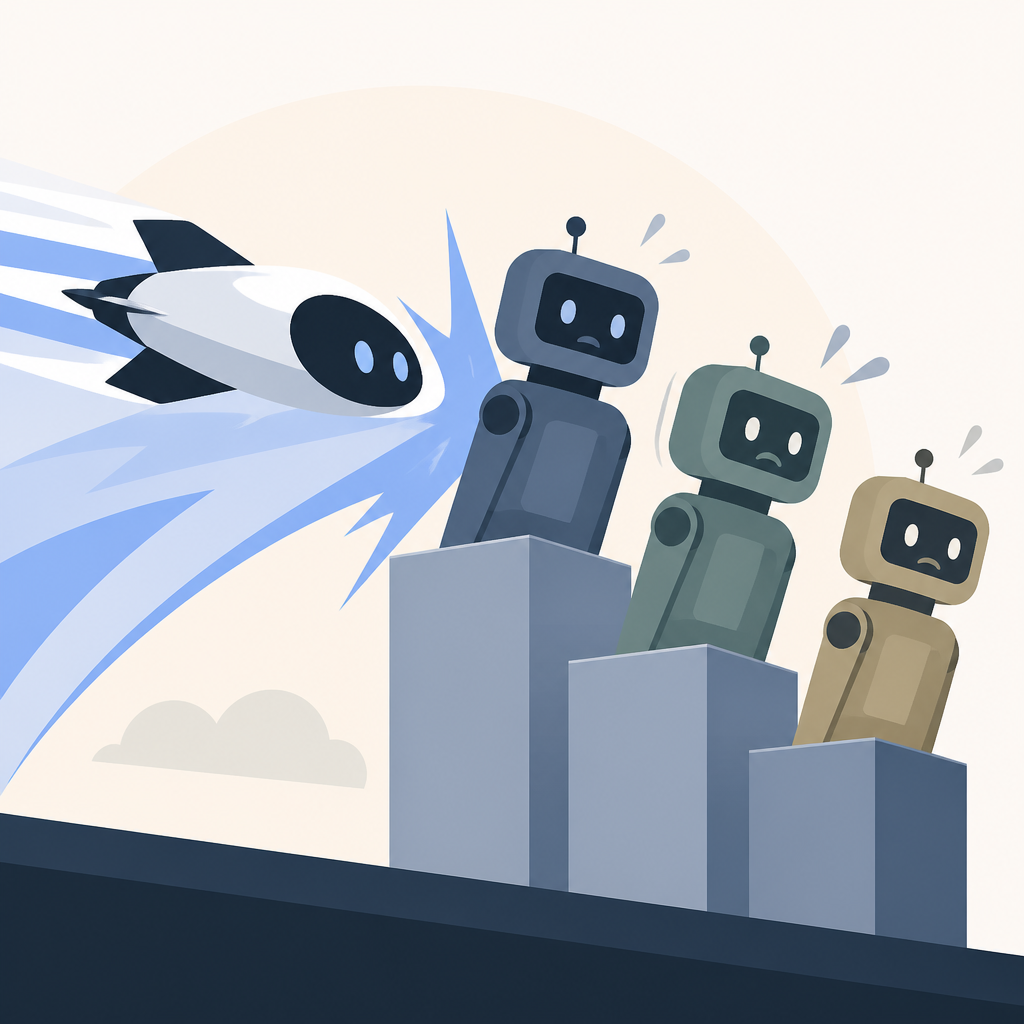
This matters because many teams do not need only raw output. They need a model that can draft, compare, and critique without feeling like a scripted assistant. If Kimi K3 can sit in that middle, it may push rivals to sharpen the value of their own midrange offerings.
- Execution-first models: fast answers, direct completion
- Planning-first models: broader review and guidance
- Middle-tier models: mixed use across drafting and judgment
2. More pressure on pricing
If Kimi K3 performs above the usual “task bot” tier, pricing pressure will follow. Buyers tend to compare models not only on quality, but on whether a cheaper option is good enough for everyday work.
That can affect both standalone API pricing and subscription bundles. A model that feels close to premium on reasoning, but lands at a lower cost, can force competitors to defend their margins with better packaging, not just better benchmarks.
- Lower-cost APIs can win bulk usage
- Premium plans need clearer feature separation
- Enterprise buyers will ask for proof of added value
3. A sharper split between execution and judgment
The summary around Fable 5 makes one thing clear: not every model is trying to be a pure executor. Some are built to help users plan, advise, and review, and that changes how teams choose tools.
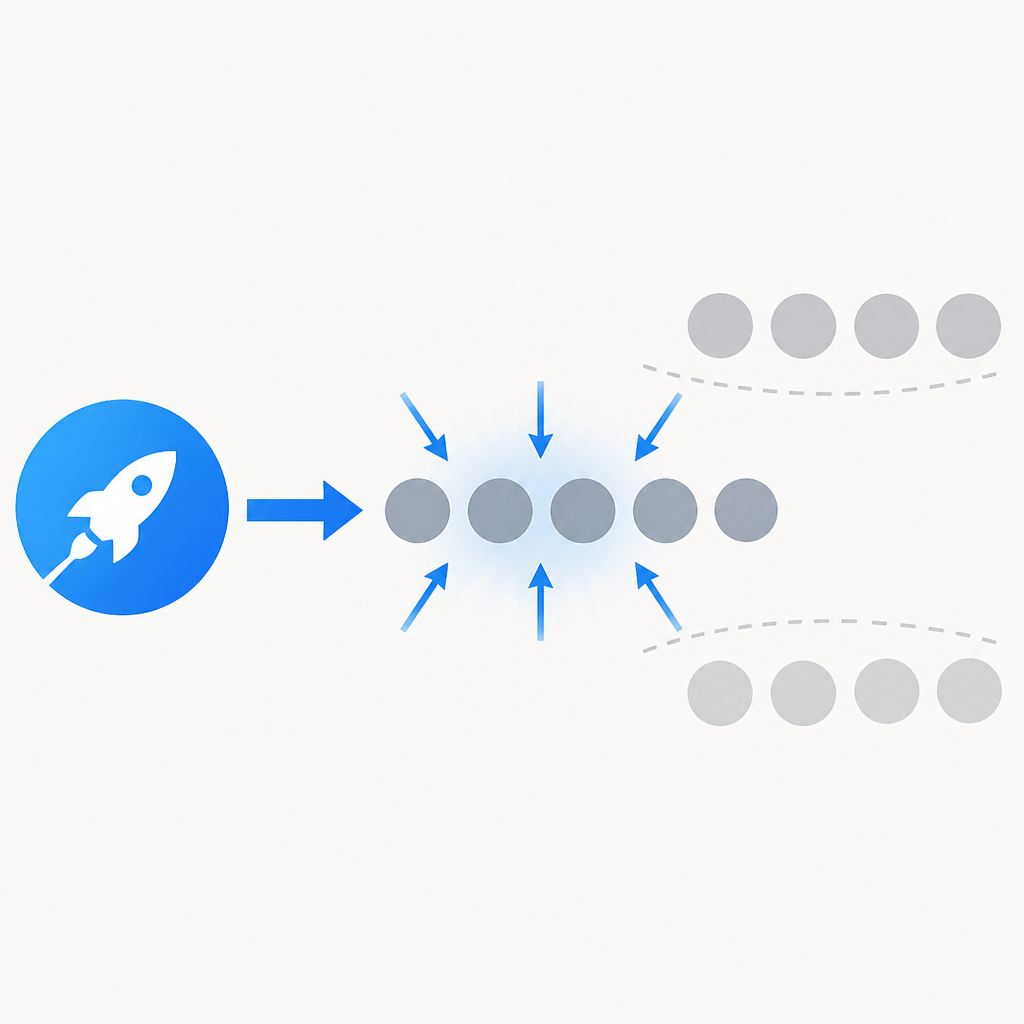
Kimi K3 could accelerate that split if it shows credible judgment without reaching the very top end. In that case, the market may sort models into two buckets more clearly: one for producing work, another for evaluating work.
Execution: write the email, fill the form, finish the ticket
Judgment: compare options, flag risks, review the draft
4. More competition for premium subscriptions
If Kimi K3 lands near the space between GPT-5.6 and Fable 5, premium subscriptions may feel more crowded. Users who once upgraded for better reasoning may find that a newer model offers enough of that value at a lower tier.
That does not mean premium plans lose importance. It means vendors must justify the jump with clearer access, better tooling, or stronger reliability. In subscription markets, small differences in model behavior can drive large changes in retention.
- Max and Enterprise tiers need stronger exclusives
- Pro tiers may gain more pressure from midrange models
- Teams will compare access, not just raw intelligence
5. A signal that model value is widening
The most interesting part of this discussion is not whether Kimi K3 beats Fable 5. It is whether the market is starting to value more than one kind of intelligence. A model can be useful because it executes well, or because it sees the larger picture.
If Kimi K3 lands as a credible in-between option, it may help normalize that split. That would make future launches easier to place: not every new model needs to be the strongest at everything to matter commercially.
How to decide
If you want fast task completion, stick with execution-first models. If you need planning, critique, and broader advice, the higher-level tier still matters. If you are shopping for value, Kimi K3 is the kind of model that could make the middle tier more attractive.
For vendors, the lesson is harder: the market is no longer only about who answers best. It is also about who helps users decide what to do next.
// Related Articles
- [IND]
Mistral's robotics model cuts indoor navigation costs
- [IND]
Mistral missile: France’s short-range air defense workhorse
- [IND]
Apple Reclaims No. 1 by Market Cap as AI Costs Spike
- [IND]
AI Weekly: 2026-07-13 ~ 2026-07-20
- [IND]
$1.7B Bloom Energy deal backs Nebius AI power
- [IND]
Google should have kept NotebookLM’s name and sold the code tools