Mistral's robotics model cuts indoor navigation costs
1 robotics model from Mistral could lower indoor navigation costs by replacing LiDAR-heavy setups with one-camera AI.

What does Mistral’s first robotics AI model change for industrial robots?
Mistral’s new robotics model aims to cut navigation costs and simplify indoor automation.
| Item | What it does | Why it matters |
|---|---|---|
| Robostral Navigate | Indoor robot navigation with one camera | Reduces hardware needs |
| LiDAR-heavy systems | Use sensors and mapping gear for navigation | Higher deployment cost |
| Multi-camera setups | Rely on several cameras for perception | More complex integration |
| Emmi AI acquisition | Adds simulation and physical AI expertise | Supports robotics expansion |
1. Robostral Navigate
Get the latest AI news in your inbox
Weekly picks of model releases, tools, and deep dives — no spam, unsubscribe anytime.
No spam. Unsubscribe at any time.
Mistral’s new model, Robostral Navigate, is the main reason this launch matters. It is the company’s first robotics foundation model, built for physical AI use cases in factories, warehouses, and other indoor industrial spaces.
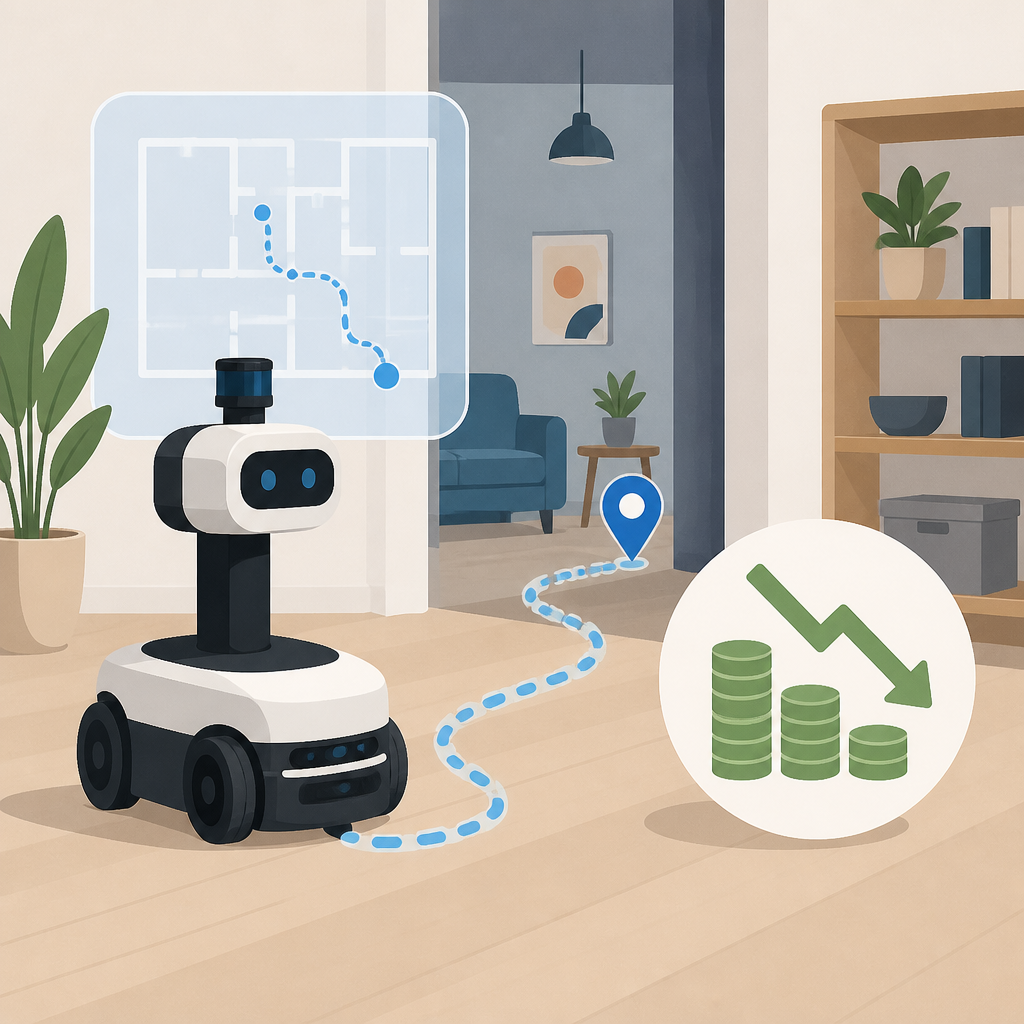
The pitch is simple: give robots better visual navigation without forcing buyers into expensive sensor stacks. According to the source, the model can help autonomous robots move with only one camera, which could lower cost and make deployment easier for manufacturers and logistics firms.
- Indoor navigation for industrial robots
- Single-camera visual perception
- Designed for factories and warehouses
- Aims to reduce dependency on extra hardware
2. Lower hardware dependence
The biggest practical benefit is the reduced need for LiDAR sensors and multiple cameras. Those components often raise the price of autonomous systems and add complexity during installation and maintenance.
For operators, that means a more accessible path to automation. A lighter setup can make it easier to roll out robots across material handling, warehouse movement, and logistics workflows without redesigning the whole environment.
- Less reliance on LiDAR
- Fewer cameras in the stack
- Lower deployment cost
- Simpler integration for industrial teams
3. Emmi AI acquisition
Mistral’s move into robotics did not happen in isolation. The company acquired Austrian firm Emmi AI, which focuses on industrial simulation software and physical AI technology, before pushing deeper into this market.

That matters because robotics is not just about models. It also depends on simulation, control, machine learning, and industrial automation expertise. The acquisition gives Mistral more technical depth for systems that need to work in real facilities, not just in demos.
- Industrial simulation software
- Physical AI know-how
- Robotic control expertise
- Better fit for real-world deployment
4. Platform flexibility
Robostral Navigate is designed to work across different robotic platforms, which is important for companies that already own fleets. Instead of replacing existing systems, manufacturers and warehouse operators can layer in the model and improve navigation behavior.
That flexibility can shorten upgrade cycles. It also helps firms expand automation across plants, distribution centers, and logistics sites while keeping infrastructure changes to a minimum.
- Works on multiple robot types
- Supports existing fleets
- Limits infrastructure changes
- Fits industrial automation workflows
5. Physical AI market pressure
This launch lands at a time when physical AI is drawing more attention from industry. The source points to rising investment in intelligent automation, edge AI computing, industrial robots, and embodied AI as drivers of growth.
For sectors facing labor shortages, safety concerns, and repetitive work, a model like this could be attractive because it improves obstacle detection, route planning, and autonomous movement. That combination is what makes the announcement more than a product update.
- Manufacturing
- Warehousing
- Logistics
- Smart infrastructure
How to decide
If you run industrial automation projects, Robostral Navigate is most relevant when cost, camera count, and deployment speed matter more than a heavy sensor stack. It looks best suited for teams modernizing indoor robots without replacing their whole fleet.
If you are tracking the sector more broadly, the bigger signal is that Mistral is extending beyond language models into embodied AI. That puts the company in a stronger position to compete in robotics, where software, simulation, and hardware constraints all have to line up.
// Related Articles
- [IND]
Mistral missile: France’s short-range air defense workhorse
- [IND]
Apple Reclaims No. 1 by Market Cap as AI Costs Spike
- [IND]
Kimi K3 could pressure the middle tier of AI models
- [IND]
AI Weekly: 2026-07-13 ~ 2026-07-20
- [IND]
$1.7B Bloom Energy deal backs Nebius AI power
- [IND]
Google should have kept NotebookLM’s name and sold the code tools