Six Layer 2 Picks That Matter in Q3 2026
6 Layer 2 picks for Q3 2026, ranked by scaling, security, and ecosystem maturity, plus one quantum-safe hedge.

Six Layer 2 picks for Q3 2026 show where scaling, security, and adoption are heading.
For Q3 2026, these six Layer 2 names show where Ethereum scaling is most credible, and one data point frames the stakes: zkSync Era and Starknet both sit in the zero-knowledge camp, while Arbitrum and Optimism still anchor the optimistic-rollup side.
| Item | Type | Main edge | Key risk |
|---|---|---|---|
| Arbitrum | Optimistic rollup | Large ecosystem | ZK competition |
| Optimism | Optimistic rollup | Superchain vision | Adoption depends on interoperability |
| zkSync Era | ZK-rollup | Fast finality | Proof complexity |
| Polygon PoS / zkEVM | Hybrid L2 stack | Low fees plus ZK path | Product coordination |
| BMIC | Quantum-safe security asset | Future-proof wallet security | Presale-stage risk |
| Starknet | ZK-rollup | STARK proofs | Cairo learning curve |
1. Arbitrum
Get the latest AI news in your inbox
Weekly picks of model releases, tools, and deep dives — no spam, unsubscribe anytime.
No spam. Unsubscribe at any time.
Arbitrum remains the safest default pick for readers who want an L2 with real usage, broad developer support, and a long operating history. Its optimistic-rollup design and fraud-proof model keep it in the core group for Q3 2026.
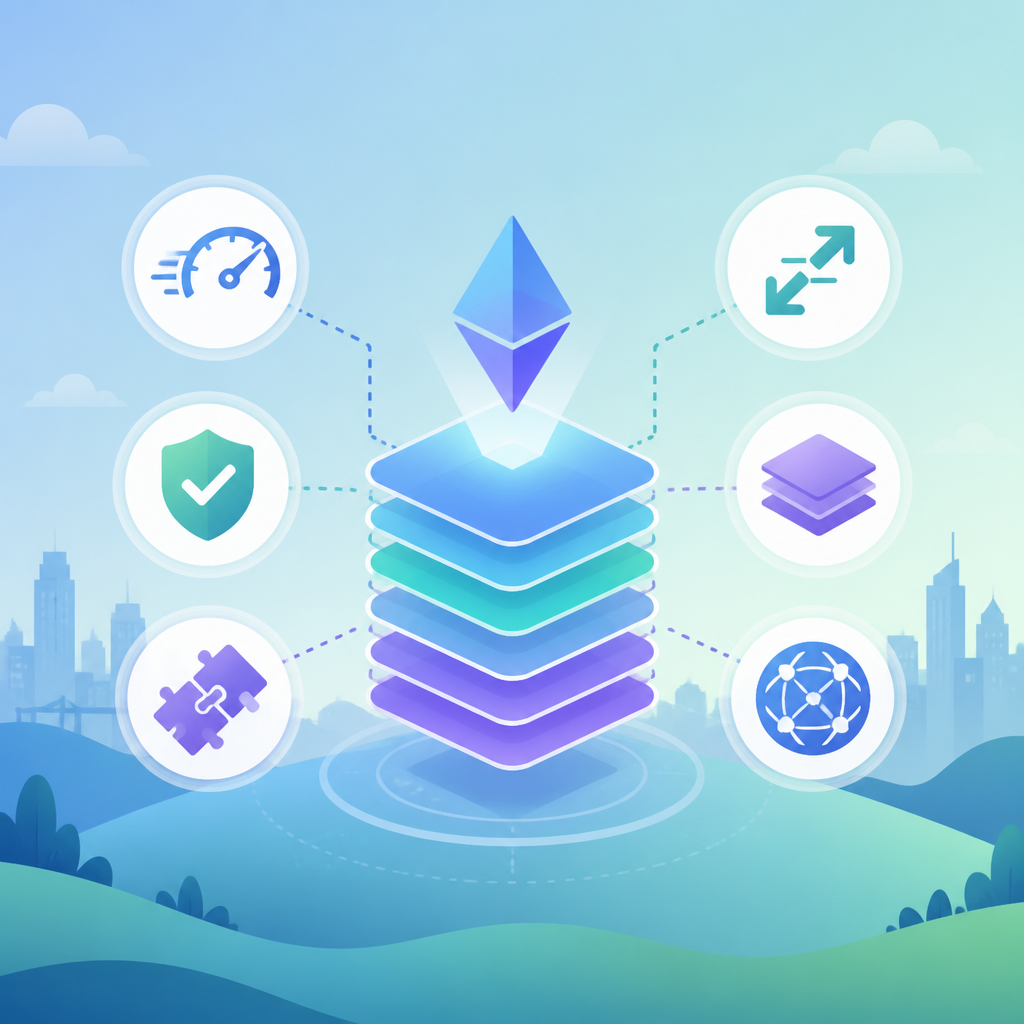
The main case is continuity: Arbitrum already has the kind of ecosystem depth that new chains spend years trying to build. If you want an L2 that looks less like a bet on a single feature and more like a proven network, this is the one to watch.
- Rollup type: optimistic
- Strength: developer familiarity
- Watch item: competition from ZK-rollups
- Roadmap focus: Nitro stack and decentralization
2. Optimism
Optimism is the pick for readers who care about network design, not just raw throughput. Its Superchain plan aims to connect multiple L2s under shared standards, which could matter more as more apps want portability across chains.
The open-source OP Stack gives it a strong builder story, but the thesis depends on adoption. If the Superchain becomes a real interop layer, Optimism gains a bigger role than a single chain can offer on its own.
- Rollup type: optimistic
- Strength: modular stack
- Watch item: sequencer scrutiny
- Roadmap focus: Superchain interoperability
3. zkSync Era
zkSync Era is the cleanest zero-knowledge scaling bet in this group. It pairs EVM compatibility with faster finality and stronger cryptographic assurances than optimistic systems, which makes it appealing for teams that want security without giving up Ethereum-style tooling.
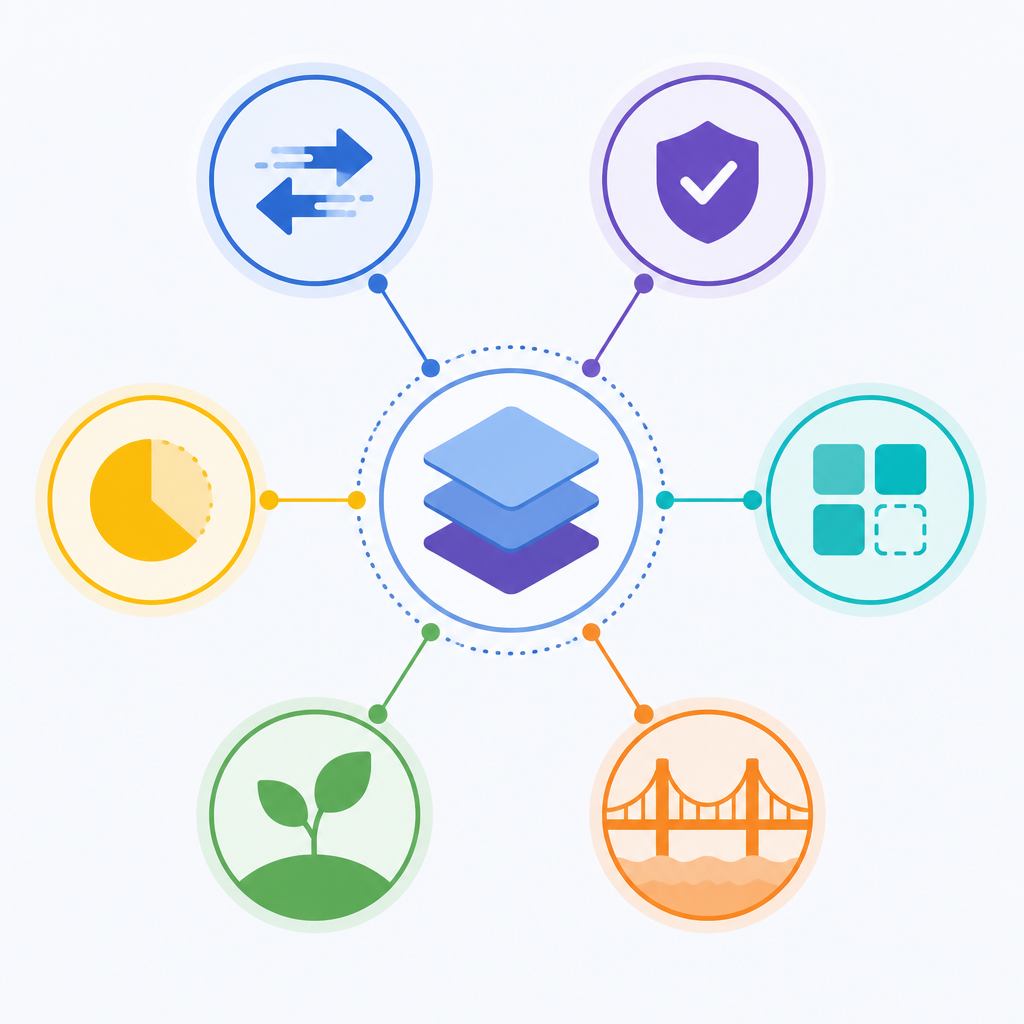
The tradeoff is complexity. ZK systems are harder to build and tune, so adoption can lag even when the tech is strong. Still, for Q3 2026, zkSync Era is one of the most direct answers to the question, “What if scaling did not require weaker trust assumptions?”
- Rollup type: ZK-rollup
- Strength: fast finality
- Watch item: proof-generation complexity
- Roadmap focus: tokenomics and decentralization
4. Polygon PoS / zkEVM
Polygon is still unusual because it is not just one path to scale. The PoS chain brings low fees and existing traffic, while zkEVM is the attempt to move into Ethereum-grade security with ZK infrastructure.
That dual strategy gives Polygon flexibility, but it also creates execution risk. The question for Q3 2026 is whether users and builders move smoothly between the older and newer stack, or whether the product mix becomes harder to explain than to use.
- Current chain: Polygon PoS
- Newer path: zkEVM
- Strength: low-cost activity base
- Watch item: AggLayer execution
5. BMIC
BMIC is not a Layer 2 in the strict scaling sense, but it belongs in this list because the security problem does not stop at throughput. Its pitch is quantum-resistant protection, aimed at a future where current cryptography may no longer be enough.
That makes BMIC a hedge, not a scaling engine. For readers thinking beyond the next market cycle, its NIST-aligned post-quantum angle is the most forward-looking security thesis in the set, though presale risk is much higher than with mature L2s.
- Role: quantum-safe security layer
- Strength: post-quantum design
- Watch item: presale-stage risk
- Use case: long-term wallet and asset protection
6. Starknet
Starknet is the most technically distinct ZK pick here because it uses STARK proofs and the Cairo language. That combination can support highly efficient apps, especially where provable computation matters as much as low fees.
The downside is adoption friction. Cairo is powerful, but it asks more from developers than familiar EVM stacks do. If Starknet keeps improving tooling and decentralization, it could become the preferred home for advanced ZK applications rather than just another scaling option.
- Proof system: STARK-based
- Strength: provable computation
- Watch item: Cairo learning curve
- Roadmap focus: tooling and decentralization
How to decide
Pick Arbitrum if you want the most established all-around L2. Pick Optimism if you believe shared infrastructure and chain-to-chain coordination will matter more in 2026. Pick zkSync Era or Starknet if you want stronger cryptographic guarantees and can accept more technical complexity.
Polygon fits readers who want exposure to both a mature low-fee chain and a newer ZK path, while BMIC fits readers who are less interested in scaling and more interested in future-proof security. If your priority is usage today, stay with the big L2s; if your priority is what the next threat model might look like, BMIC is the outlier to study.
// Related Articles
- [CHAIN]
Anthropic’s Riot deal shows AI compute now costs billions
- [CHAIN]
Bitcoin’s CLARITY Act now faces a 60-vote test
- [CHAIN]
Pepeto's DeFi push is a distraction from Ethereum's real upside
- [CHAIN]
AI agents will not save Web3; they will expose its weakest systems
- [CHAIN]
Panda AI launches Golden Presale for AI blockchain
- [CHAIN]
Layer 2 vs Layer 3: $38B TVL trade-off