Layer 2 picks turn Ethereum scaling into buys
I break down CoinGape’s 2026 Layer 2 list into a practical filter, then give you a copy-ready template for ranking L2 projects.
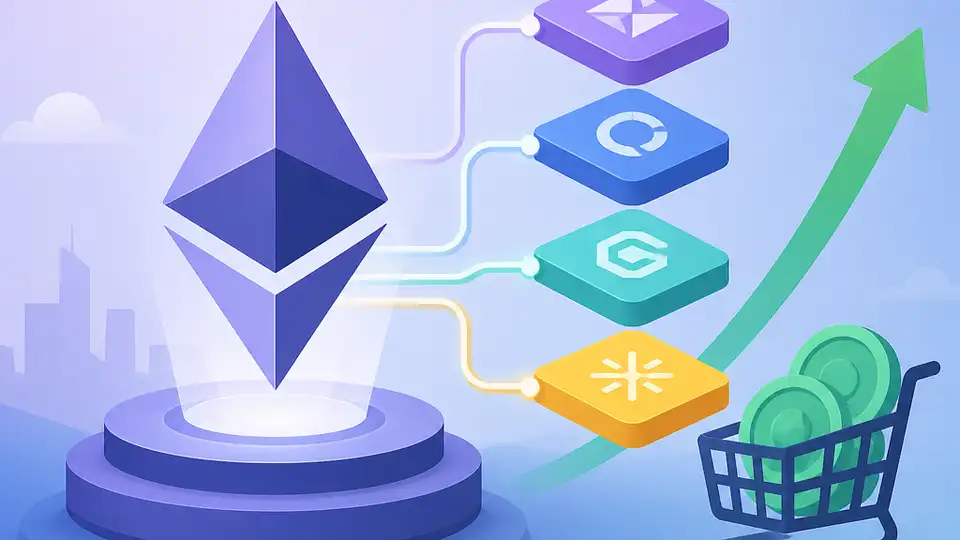
I break down CoinGape’s 2026 Layer 2 list into a practical filter and template.
I've been reading these “best Layer 2 crypto projects” lists for a while, and they usually leave me annoyed. They mash together infrastructure, speculation, and marketing copy, then act like a token with a big market cap automatically deserves a spot on your watchlist. That’s not how I build a thesis. I want to know what problem the chain actually solves, whether the rollup design is doing real work, whether users are showing up, and whether the token has any reason to exist beyond vibes and a ticker.
CoinGape’s 2026 piece gave me a cleaner starting point than most. It lists the usual suspects, but it also gives enough numbers and structure to separate “interesting scaling tech” from “this is just another token with a dashboard.” I’m using their article as the anchor here, then I’m stripping it down into the parts I’d actually use if I were screening Layer 2 projects for myself. Source: CoinGape’s Best Layer 2 Crypto Projects In 2026.
Stop treating Layer 2 like a ticker race
Get the latest AI news in your inbox
Weekly picks of model releases, tools, and deep dives — no spam, unsubscribe anytime.
No spam. Unsubscribe at any time.
“Layer 2 projects are built to solve the biggest problems in Layer 1 (L1) blockchains like Bitcoin and Ethereum, mainly network congestion, high transaction fees, and slow speeds.”
What this actually means is simple: if a Layer 2 doesn’t reduce pain for users, it’s just extra plumbing with a token attached. I see people jump straight to price charts, then wonder why their “scaling bet” behaves like every other thin-liquidity altcoin. That’s the wrong starting point. I’d rather ask whether the chain is making transactions cheaper, faster, and easier to settle without forcing users to learn a new religion.
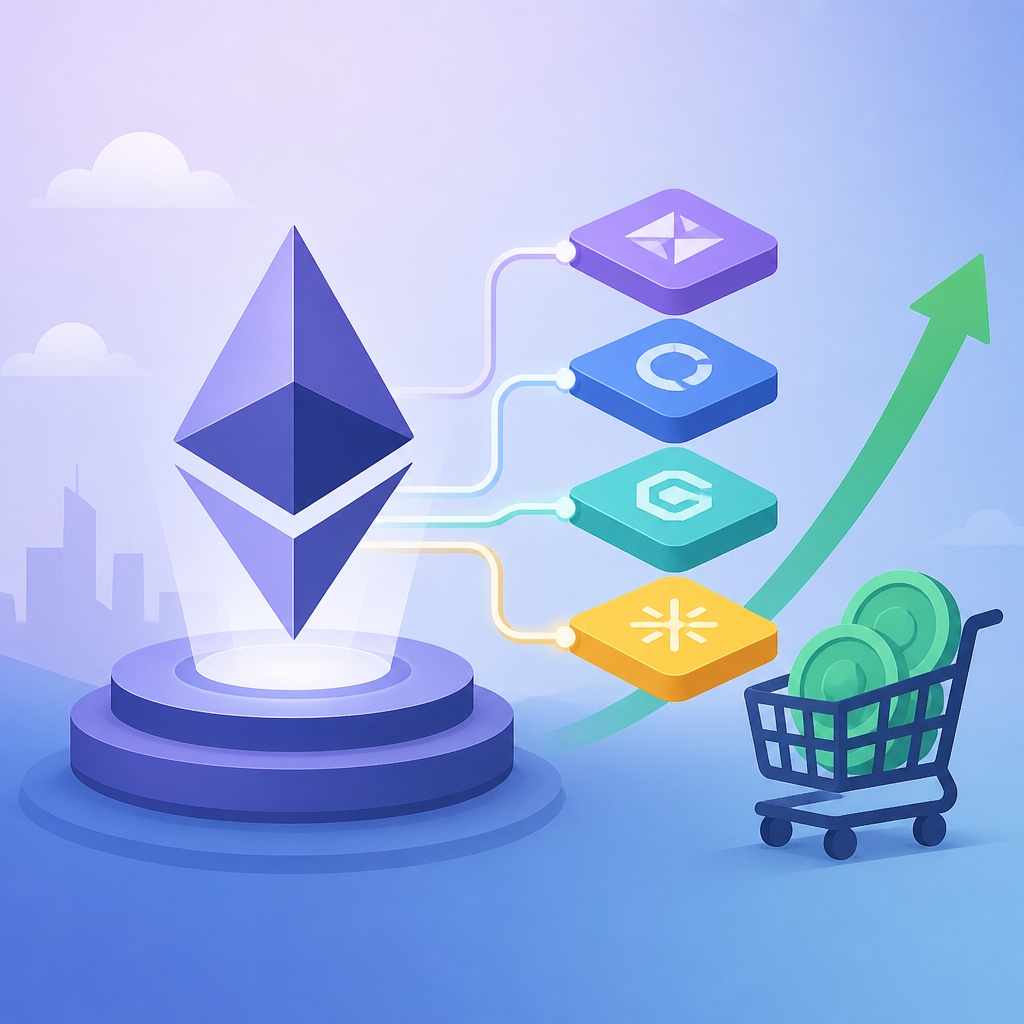
CoinGape opens with the basic promise of Layer 2s, which is fine, but the useful part is the implication. Ethereum still has a throughput problem, and the market has responded by splitting into different scaling families: optimistic rollups, zk-rollups, app-specific chains, and hybrid approaches. If you don’t know which bucket a project sits in, you’re comparing apples to a wrench.
I ran into this the hard way when I tried to evaluate a few L2s for a DeFi dashboard. On paper, they all looked like “cheaper Ethereum.” In practice, one chain had real user activity, another had a nicer story for gaming, and a third was basically a token with a roadmap and a prayer. The technical label mattered, but only because it explained where the chain might actually fit.
How to apply it: start with the user problem, not the coin. Ask these three questions before you look at token price:
- What bottleneck is this L2 fixing: fees, latency, throughput, or app-specific execution?
- Does the design help existing Ethereum users, or does it only help the project’s own ecosystem?
- Is the token required for security, governance, fees, or incentives, or is it just there because every project needs one?
If you can’t answer those cleanly, I’d move on. A lot of Layer 2 marketing falls apart the moment you ask what happens when the subsidy ends.
Arbitrum is what real usage looks like
CoinGape puts Arbitrum near the top, and that makes sense. The article says Arbitrum has a market cap of over $2 billion, supports more than 600 dApps, and can process up to 40,000 transactions per second. It also points to low fees and strong fit for gaming and DeFi. That’s the kind of profile I want to see before I start pretending a chain is “important.”
What this actually means is that Arbitrum is not trying to win by sounding clever. It’s trying to win by being the place people already use. That matters more than people want to admit. A chain can have elegant docs, nice branding, and a dozen conference panels, but if developers and users don’t stick around, it’s just an expensive proof of concept.
I’ve used Arbitrum-style infrastructure in projects where cost sensitivity mattered. The difference between “technically works” and “actually usable” shows up fast when users start clicking around. If every interaction feels expensive, people churn. If finality feels sluggish, traders complain. If the chain is too awkward to bridge into, the funnel leaks before the app even gets a chance.
How to apply it: when you’re screening a Layer 2, check for three signals of real usage.
- Number of dApps is useful, but only if you can name the categories: DeFi, gaming, NFT, infrastructure, payments.
- Look for actual transaction cost advantage, not just “lower than Ethereum” marketing.
- Check whether the ecosystem has sticky primitives like lending, DEXs, bridges, or onchain games that people return to.
One more thing: I don’t treat throughput claims as sacred. “40,000 TPS” is nice copy, but I care more about whether the chain can sustain useful throughput under normal conditions and whether the UX stays tolerable when traffic spikes. Benchmarks are easy. Happy users are harder.
Optimism is the boring chain I respect
CoinGape describes Optimism as an L2 scaling solution that processes transactions off-chain and keeps fees down. That sounds almost too plain, which is exactly why I trust it more than the projects that try to sound like they were assembled by a marketing committee with a whiteboard addiction.
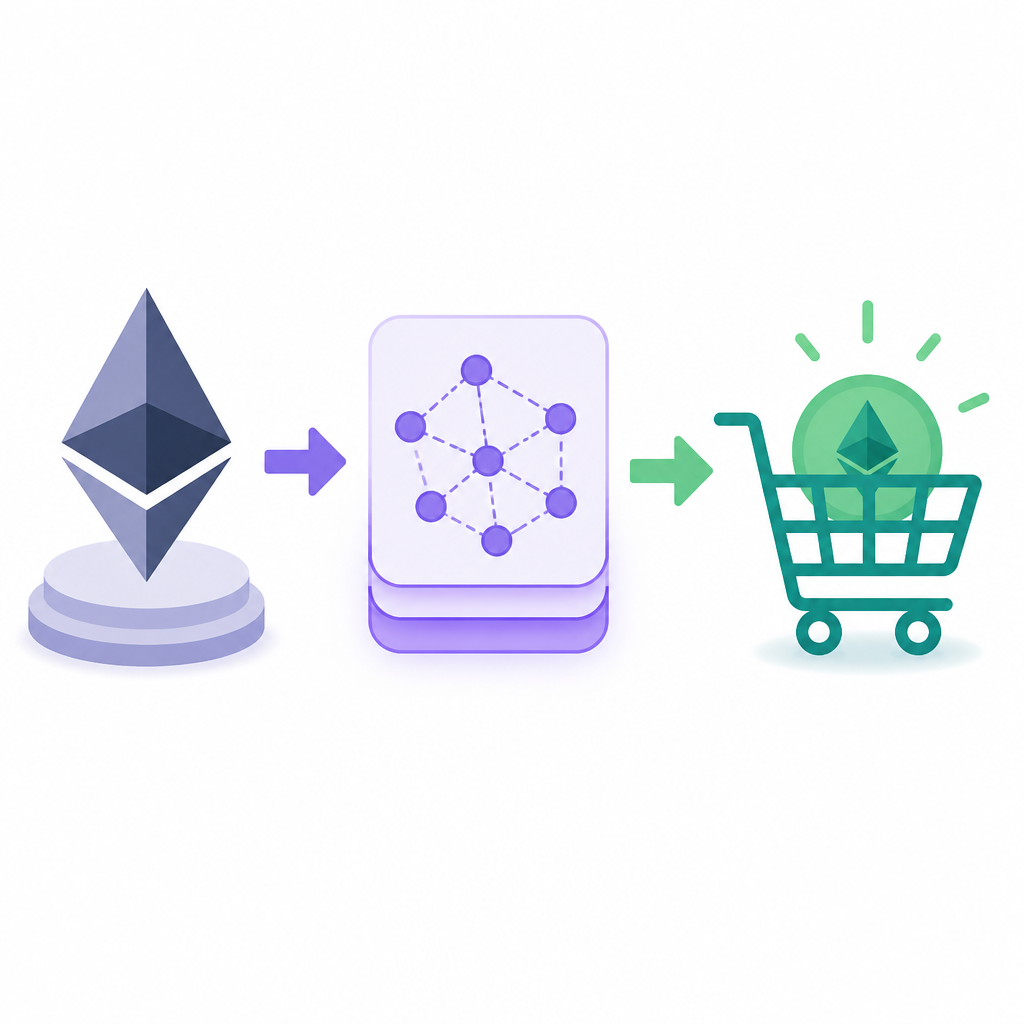
What this actually means is that Optimism’s value proposition is operational, not theatrical. It’s about making Ethereum cheaper to use while preserving enough compatibility that developers don’t have to rewrite everything from scratch. That kind of boring is good. Boring survives. Flashy usually needs a new token narrative every quarter.
I like chains in this category because they tend to expose the real tradeoff: you get speed and lower fees, but you still have to care about bridge design, sequencer assumptions, and ecosystem incentives. The tech isn’t “done” just because the website says mainnet. It’s done when users stop noticing the chain and just use the app.
How to apply it: if you’re evaluating an optimistic rollup, look for the following:
- How easy is it for developers to port Ethereum apps?
- Does the ecosystem have enough liquidity to support real activity?
- Are there credible paths for decentralizing the sequencer and reducing trust assumptions over time?
And yes, I’d still check the token model separately. A chain can be technically useful and still be a bad asset. Those are different questions, and crypto keeps pretending they’re the same. They aren’t.
Immutable X and gaming: less gas, more actual play
CoinGape calls Immutable X an ETH Layer 2 for an improved Web3 experience, with zero gas fees and instant trades. That lines up with why gaming and NFT-heavy apps keep circling this category. Players do not care about your consensus diagram. They care whether minting, trading, and in-game actions feel instant and cheap.
What this actually means is that application-specific L2s can win by removing friction where users feel it most. Gaming is a perfect test case because the tolerance for delay is tiny. If a user is waiting on a transaction before they can continue a match or claim an item, you’ve already lost the room.
I’ve seen this in product work outside crypto too: when the workflow is high-frequency, every second of friction compounds. In blockchain gaming, that compounds even faster because the user is already skeptical. They don’t want to manage gas, sign five prompts, or wonder whether a trade will land before the market moves.
How to apply it: for gaming and NFT-focused L2s, I’d look at three things before I look at token hype.
- Are there actual games or marketplaces with repeated usage, not just one-off mints?
- Does the chain remove gas pain for the player, or does it just hide it behind a different UX layer?
- Is the project building distribution through studios, marketplaces, or creator tools that can keep users active?
That last one matters. A good chain without distribution is still a lonely chain. I’ve watched too many “great tech” projects die because nobody built a real funnel into them.
zk-rollups are where the real engineering tax shows up
CoinGape includes Starknet, zkSync, and Polygon in the same conversation, which is useful because it forces you to look at the different flavors of scaling rather than pretending every L2 is interchangeable. Starknet is framed as preserving Ethereum’s decentralization while scaling, zkSync as a low-fee private transaction layer, and Polygon as a broader scaling stack with zkRollups among its options.
What this actually means is that zk systems are harder to build, harder to explain, and usually more interesting if they survive long enough to matter. They’re not just “faster Ethereum.” They’re a different engineering tradeoff. You get strong cryptographic guarantees and potentially better scalability, but you pay for that with complexity, tooling maturity, and sometimes a steeper learning curve for developers.
I’ve had more than one conversation where someone said, “Why not just use zk?” as if this were a checkbox. Because the answer is usually: because the app team needs tooling that works today, not a research poster. zk-rollups are where I get suspicious of oversimplified claims. If a project can explain the tradeoffs clearly, I pay attention. If it hides behind buzzwords, I assume the team is hoping I won’t ask questions.
How to apply it:
- Separate proof system quality from developer usability. They are not the same thing.
- Check whether the tooling, documentation, and wallet support are actually usable for production teams.
- Ask whether the project has a path to scale without turning into a maintenance nightmare.
Polygon is a good example of why this matters. The article treats it as a top Ethereum Layer 2 project for NFTs and DeFi, but Polygon is really a broader ecosystem strategy, not just one neat scaling trick. That can be powerful, but it also means you need to understand which part of the stack you’re evaluating. Otherwise you end up buying the story and missing the architecture.
Market cap is a signal, not a verdict
CoinGape’s table gives you market cap, TVL, volume, and circulating supply across projects like Mantle, Arbitrum, Optimism, Immutable, Starknet, ZKsync, Loopring, and Dymension. That’s helpful, but I want to be blunt: market cap alone is a lazy filter. It tells you where attention already is, not where value will go next.
What this actually means is that you should use market cap as one input in a broader scorecard. A high market cap can mean adoption, but it can also mean the market has already priced in a lot of optimism. A lower market cap can mean room to grow, or it can mean nobody cares. Same number, very different story.
I’ve made the mistake of overweighting TVL in the past. TVL is useful, but it can be sticky, mercenary, or heavily incentive-driven. If the chain is paying users to park liquidity, the number looks better than the underlying behavior. That doesn’t make TVL useless. It just means I don’t confuse it with durable product-market fit.
How to apply it: build a simple scoring model with four buckets.
- Usage: dApps, transactions, active wallets, and ecosystem depth.
- Economics: market cap, volume, fees, and token utility.
- Tech: rollup type, security assumptions, and interoperability.
- Distribution: partnerships, developer mindshare, and app categories that attract repeat users.
If you want one practical rule from this whole article, it’s this: don’t buy a Layer 2 because it’s “the top L2.” Buy it because you can explain why it should keep winning after the hype cycle cools off.
The template you can copy
Layer 2 project screening template

Project name:
Website:
Rollup type:
Primary use case:
Token ticker:

1) Problem it solves
- What Layer 1 pain does this reduce?
- Is the pain about fees, speed, throughput, or app-specific UX?

2) Technical design
- Optimistic rollup / zk-rollup / appchain / hybrid
- Security assumptions:
- Bridge model:
- Sequencer model:

3) Usage signals
- Number of dApps:
- Core app categories:
- Evidence of repeat users:
- Liquidity depth:
- TVL quality:

4) Token analysis
- What does the token do?
- Fee utility:
- Governance utility:
- Incentive dependency:
- Is token demand tied to real usage?

5) Ecosystem quality
- Developer tooling:
- Documentation quality:
- Wallet support:
- Exchange support:
- Partnerships:

6) Risk check
- Centralization risk:
- Bridge risk:
- Incentive risk:
- Competition risk:
- Regulatory risk:

7) My verdict
- Bull case:
- Bear case:
- What would change my mind:
- Position size if I buy:

Quick scorecard
- Utility: /10
- Adoption: /10
- Economics: /10
- Tech credibility: /10
- Token fit: /10
- Total: /50
That’s the template I’d use if I had to sort through a pile of Layer 2 projects without getting hypnotized by token charts. It forces me to separate the chain’s technical job from the token’s investment case, which is where a lot of people get sloppy and lose money.
If I were turning CoinGape’s list into a working watchlist, I’d start with Arbitrum and Optimism for broad Ethereum scaling, then look at Immutable X for gaming and NFT-specific behavior, and then treat zk-heavy projects like Starknet and ZKsync as deeper technical bets. Mantle, Polygon, Loopring, and Dymension each need their own lens, because “Layer 2” is a category, not a thesis.
Source attribution: this breakdown is my own interpretation of CoinGape’s article, not a quote-for-quote rewrite. Original source: https://coingape.com/top-layer2-crypto-projects/. For project-level docs, I also referenced Arbitrum, Optimism, Immutable, Starknet, and zkSync.
// Related Articles
- [CHAIN]
10 prediction market builders that can ship Polymarket-style apps
- [CHAIN]
Solana’s July 10 updates point to real adoption
- [CHAIN]
BYDFi Brings Crypto Trading Pitch to Lima
- [CHAIN]
Crypto exchanges should show up in LATAM, not just advertise there
- [CHAIN]
UAE Web3 setup turns crypto rules into a checklist
- [CHAIN]
Five AI Futurist features shaping Futurist 2026