Midjourney should stay out of diagnosis and focus on body-composition…
Midjourney’s water-based scanner is promising for wellness, but it should not be treated as a diagnostic medical device yet.

Midjourney’s water-based scanner is promising for wellness, but it should not be treated as a diagnostic medical device yet.
Midjourney should not be framed as a medical imaging company until it proves this scanner can do more than make a fast, attractive body map. The headline numbers are impressive: a 60-second scan, no radiation, no MRI tube, and a spa-like experience that lowers the friction of getting scanned. But speed and ambiance are not evidence. The article itself draws the right line by saying the first use case is body composition, while diagnostic claims need regulatory clearance. That is the real story here: the technology is interesting, but the leap from wellness tool to clinical device is enormous.
First argument: the product is valuable before it is diagnostic
Get the latest AI news in your inbox
Weekly picks of model releases, tools, and deep dives — no spam, unsubscribe anytime.
No spam. Unsubscribe at any time.
Body composition is a real use case, and it does not require the scanner to solve every medical-imaging problem on day one. A system that can estimate muscle, fat, and structural changes in about a minute has clear value for fitness, longevity, and preventive health. If a person can get a repeatable scan without booking a hospital appointment, that lowers the barrier to tracking change over time. That matters because most people do not need a full MRI just to understand whether their training, weight loss, or recovery plan is moving in the right direction.
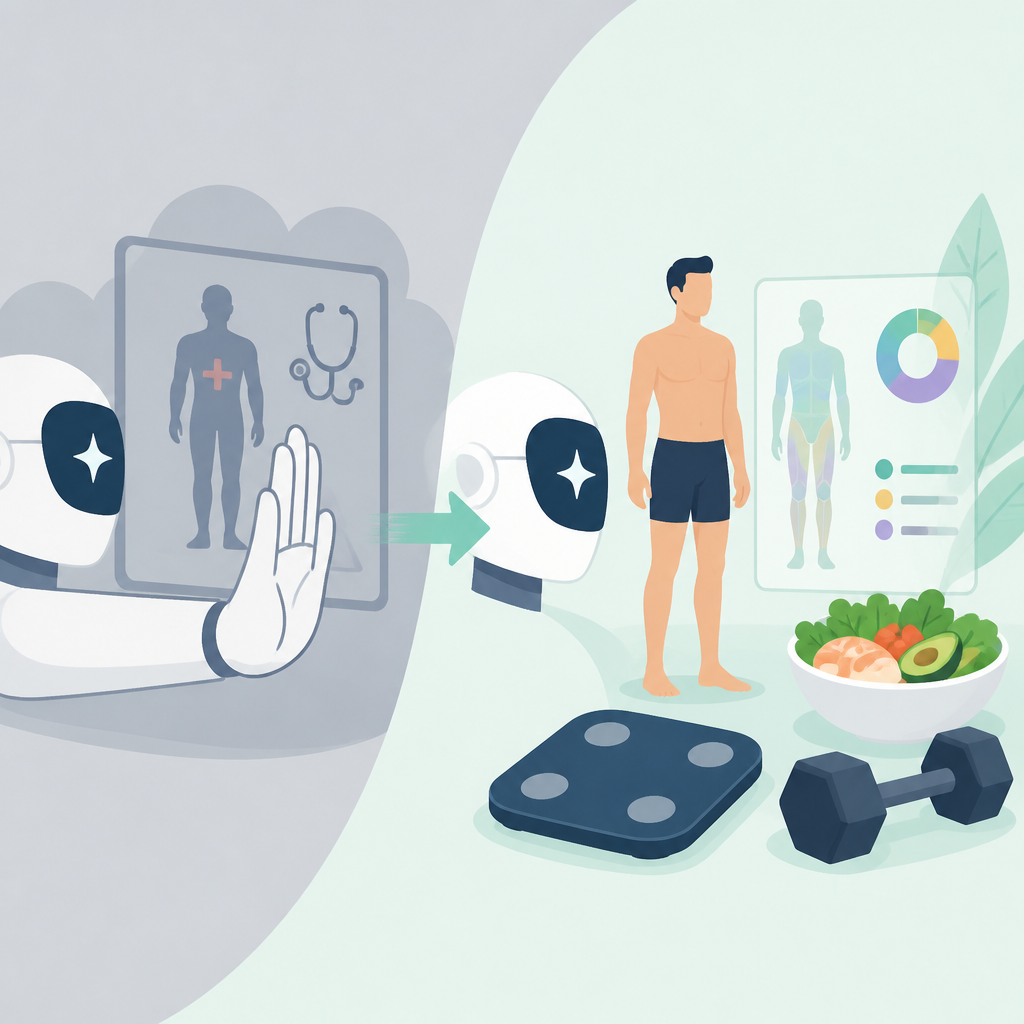
The spa framing is not just marketing gloss. It is a product strategy that could make imaging less intimidating and more habitual, the same way wearables made heart-rate and sleep tracking ordinary. The article notes that Midjourney wants hot tubs, saunas, cold plunges, and scan rooms in one place. That is a consumer-health play, not a hospital replacement. In that context, the scanner’s best-case future is as a frequent, low-friction measurement tool, not a one-shot diagnostic oracle.
Second argument: Midjourney’s real edge is reconstruction, not medicine
Midjourney’s competence is in image generation and large-scale computation, and that is exactly why this project is plausible. The scanner depends on enormous amounts of sensor data and software that can reconstruct a 3D map from wave reflections. That is a software-heavy problem. The company has already built its reputation on turning messy inputs into coherent visual output, so the technical overlap is real. The move makes more sense than it first appears because the core challenge is computational imaging, not clinical decision-making.
But computational overlap is not the same as medical authority. A company can be excellent at generating images and still be unqualified to tell you what those images mean. The article points out that sound behaves differently across skin, fat, muscle, bone, and other tissue, and the system uses those differences to build a map. That is useful. It is not enough. Medical imaging earns trust through sensitivity, specificity, repeatability, and clinical validation, not through the novelty of the hardware or the elegance of the interface.
The counter-argument
The strongest case for Midjourney is that every major imaging modality once looked like a gimmick. MRI, CT, and ultrasound all began as specialized tools before they became standard parts of care. A fast, cheaper, more accessible scan could uncover problems earlier and widen access for people who never step into a radiology department. If the system can produce MRI-like detail without the cost, claustrophobia, or scheduling burden, then dismissing it too early would be a mistake.
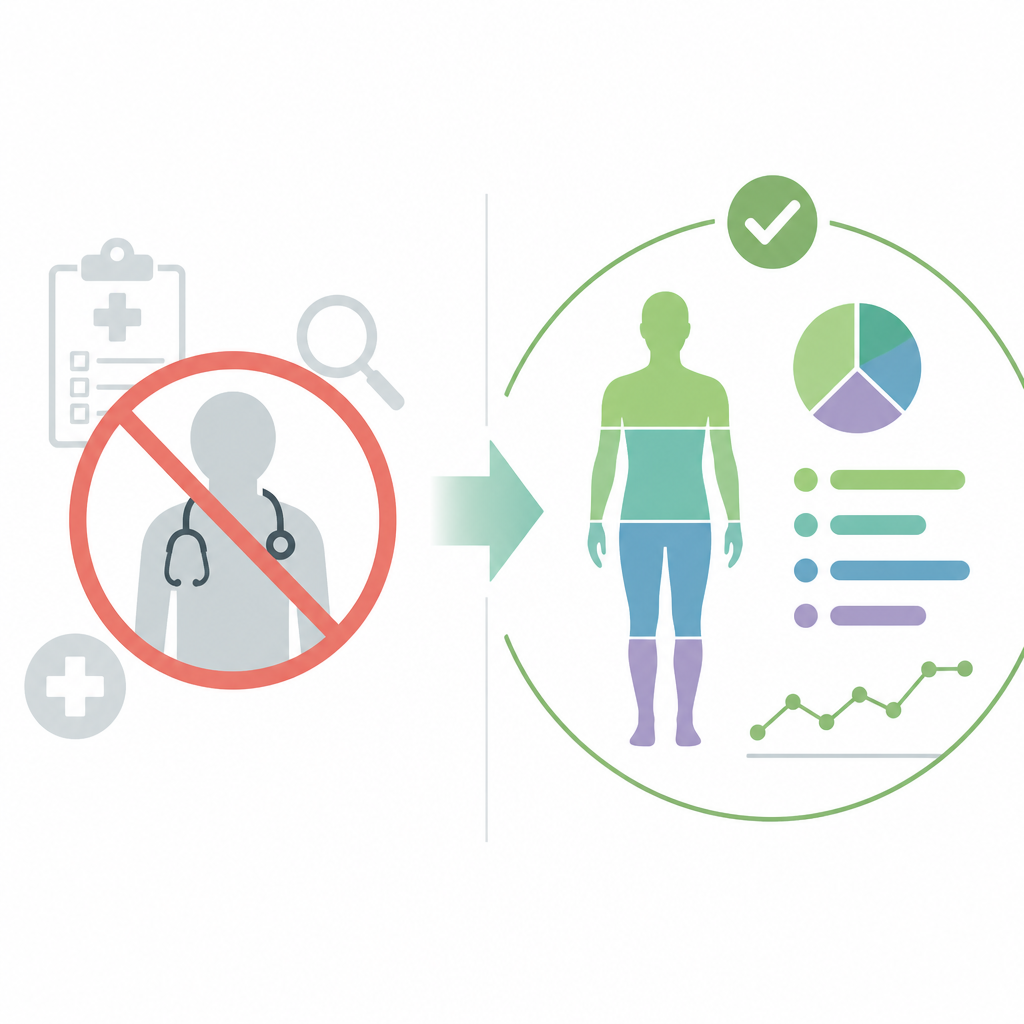
There is also a broader argument about consumer health. People already pay for blood panels, genetic tests, and wearable subscriptions without a doctor ordering every datapoint. If a spa-based scanner helps people notice change sooner, it could push prevention forward. In that reading, the wellness setting is a strength, not a weakness, because it meets people where they are rather than where the healthcare system wishes they were.
That argument is persuasive up to a point, and the limit is clinical claim-making. A scan that helps someone monitor body composition is one thing. A scan that claims to detect disease is another. The article is explicit that diagnostic use will require FDA clearance, and that is the correct standard. Until Midjourney produces hard validation data, the right stance is not skepticism for its own sake. It is disciplined restraint. The company should be judged as a wellness-imaging entrant first and a medical device company only after it earns that label.
What to do with this
If you are an engineer, build for measurement quality, calibration, and repeatability before you build for broad clinical claims. If you are a PM, position the first release around body composition, trend tracking, and user trust, not diagnosis. If you are a founder, remember that the fastest path to adoption is often a narrower promise with a stronger proof story. Midjourney’s scanner should win by being useful, frequent, and safe first; if it ever becomes diagnostic, that should be the result of evidence, not branding.
// Related Articles
- [IND]
Cloudflare sets September 15, 2026 crawl defaults
- [IND]
Cloudflare’s new crawler rules shift power to publishers
- [IND]
Midjourney is building a body-scan spa
- [IND]
Midjourney Is Right to Force Hollywood’s AI Cards Onto the Table
- [IND]
Microsoft bets $2.5B on enterprise AI deployments
- [IND]
Microsoft’s $2.5B AI unit shows where enterprise AI is headed